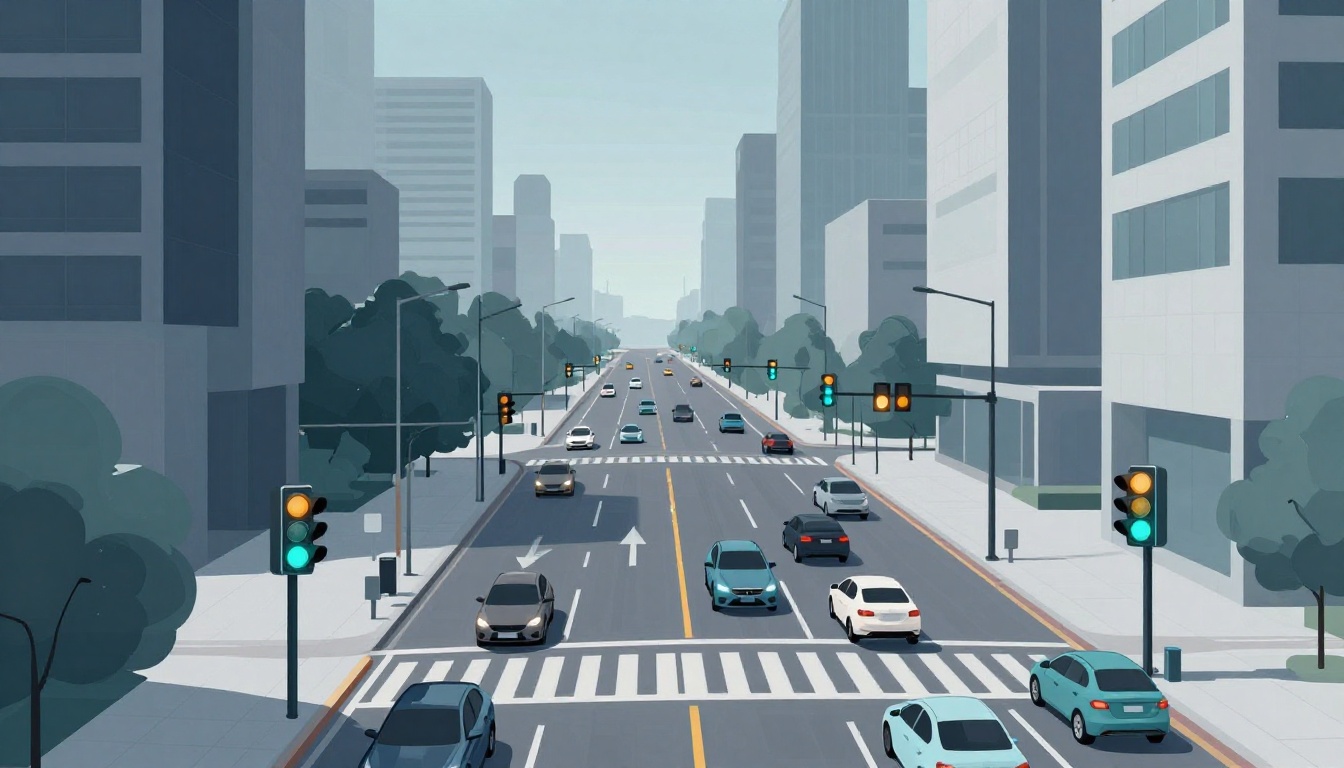
Stuck at a red light that feels endless, while cross traffic barely moves, can make your commute feel personal. One minute you’re fine, the next minute you’re crawling. Then you hit another choke point, and the whole block slows down again.
That’s the problem behind traffic flow management in busy cities: small delays stack fast. When drivers brake, change lanes, or bunch up, intersections start working against each other.
The good news is that big cities are not guessing. They’re using adaptive traffic lights, AI prediction, congestion pricing, and smarter rules for peak hours to keep traffic moving. The goal is simple: fewer long waits, safer turns, and less wasted fuel.
Below, you’ll see how these tools work, why they matter for your drive or bus ride, and what major cities have learned the hard way.
How Adaptive Traffic Lights and Sensors Keep Streets Flowing
Think of a good signal system like a traffic cop watching the intersection from above. Instead of running on fixed timers all day, adaptive traffic lights “pay attention” to what’s happening right now.
They use sensors and cameras (plus sometimes roadside IoT devices) to detect vehicle counts, turning demand, queue length, and gap gaps in traffic. Then the system shifts signal timing to match real conditions. That helps reduce unnecessary stops, especially when one direction surges and another direction stays light.
A clear example is adaptive signal control that uses live detection. Miovision describes how cities use real-time data and traffic sensors to adjust timing based on current conditions, and it cites deployments seeing up to 30% reductions in congestion while improving intersection safety (adaptive traffic signals reduce urban congestion).
Here’s what often happens at an adaptive intersection:
- Sensors measure demand: loop detectors, radar units, video analytics, or other traffic detection tools watch lanes and turns.
- The controller updates timing: the system adjusts green time and turn phases to match the queue.
- Priority triggers kick in: transit vehicles or emergency routes can get prioritized timing when appropriate.
- Signals coordinate with neighbors: multiple intersections synchronize so one change doesn’t create a new bottleneck.
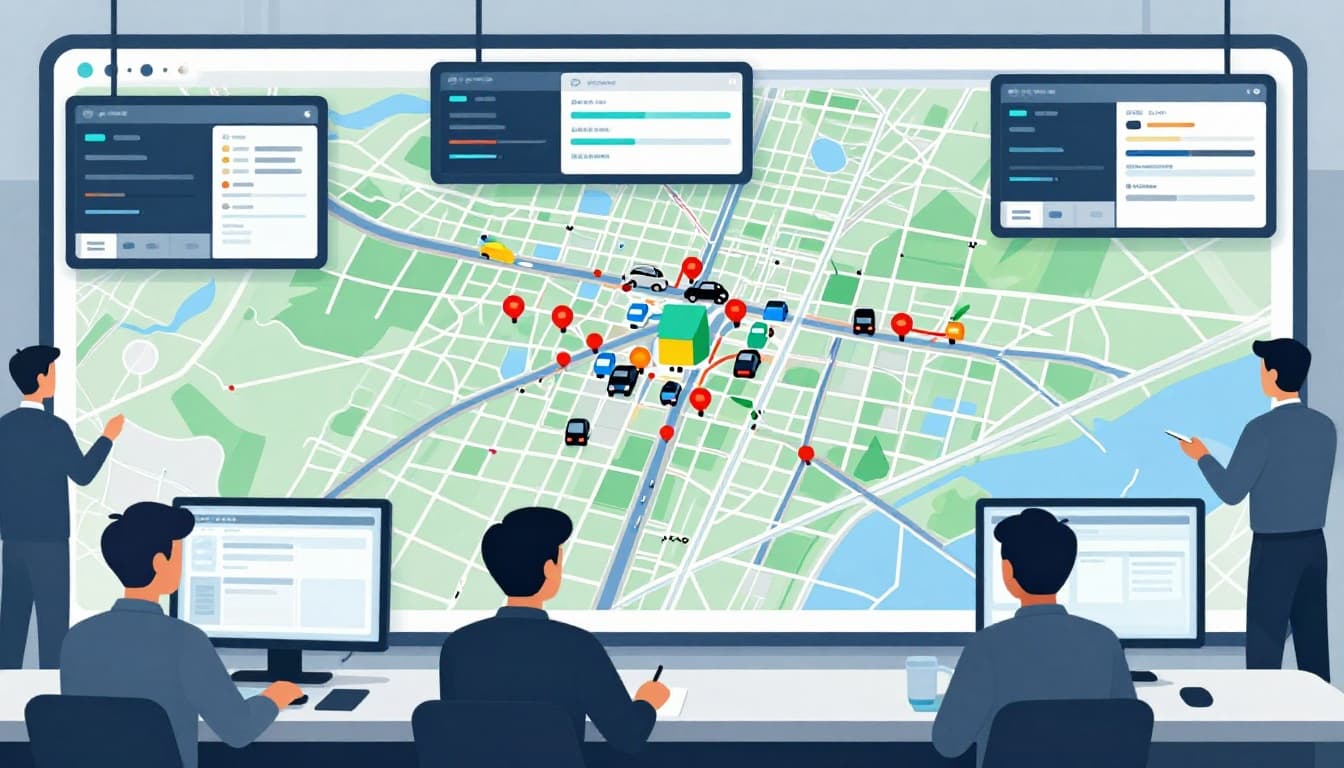
- Operators monitor the network: traffic management staff watch feeds and can override timing during incidents.
Cities also post driver-facing alerts using systems like variable message signs, so people know when delays are building. And traffic management centers use CCTV to confirm what the sensors see, especially during crashes or stalled vehicles.
Real-world programs show how this can feel on the ground. Boston’s Project Green Light focuses on reducing delays and unnecessary stops using tech that supports signal timing improvements (Project Green Light: Saving You Time On The Road).
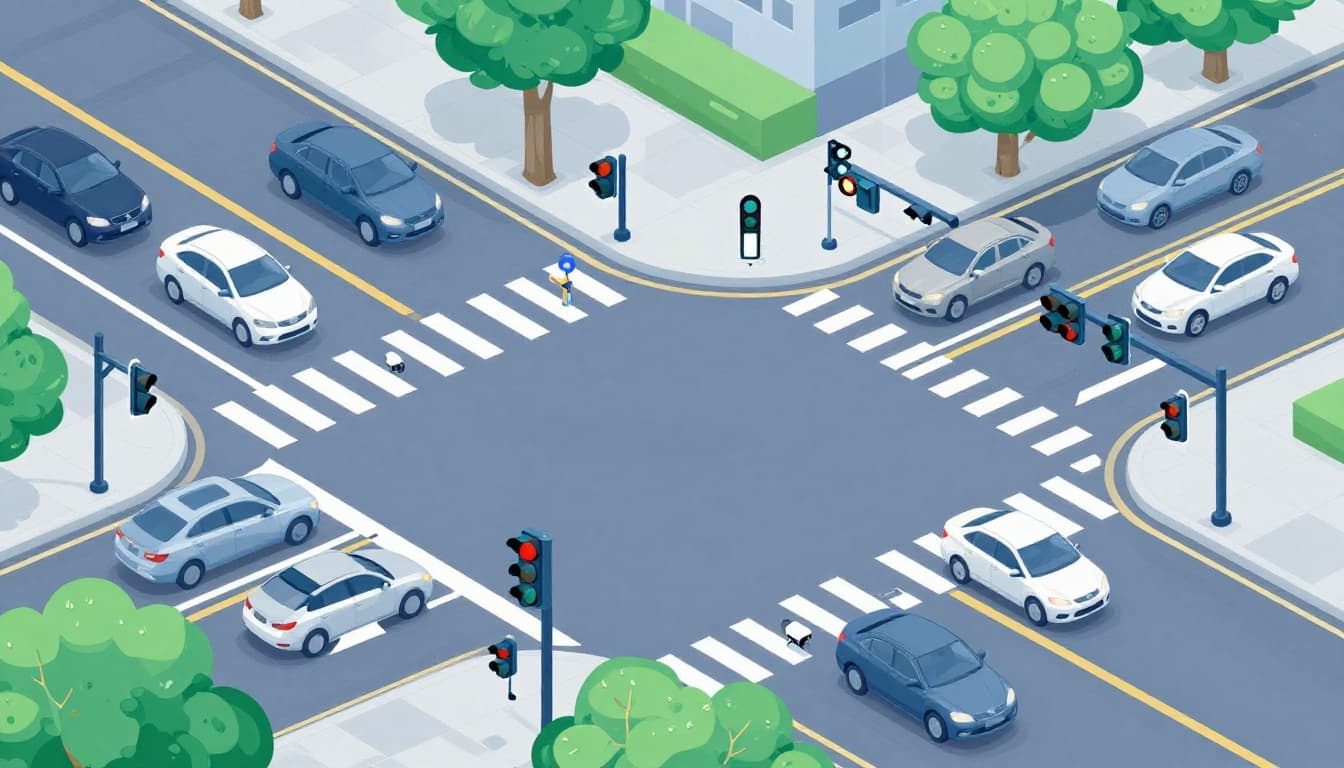
When lights adjust well, the ride feels different even if you can’t name the tech. Cars build smaller queues. Turns happen faster. And the next intersection gets fewer “surprise” spillovers.
AI and Predictive Tools Spotting Jams Before They Form
Sensors show what’s happening now. AI tries to spot what’s about to happen next.
In practice, predictive tools blend data sources. They can use traffic cameras, vehicle probe data, and app-based travel time signals. Then the system looks for patterns that usually lead to congestion, like speed drops in one corridor, queue growth at a key ramp, or a shift in turning demand.
Instead of waiting for a full jam, operators can adjust plans earlier. Sometimes that means timing changes at nearby intersections. Other times it means advising drivers with variable signs or adjusting speed guidance.
You’ll often hear this paired with “smart corridor” planning. Some agencies also describe pilots that connect AI with IoT traffic detection. For example, IoT For All discusses how California uses AI and IoT ideas to improve traffic operations (Smarter Streets: How California Is Using AI and IoT to Reinvent Traffic).
In plain terms, the system can behave like this: it sees a speed dip starting, then it flags a likely bottleneck downstream. Operators respond before the queue grows out of control.
This approach helps the environment, too. When traffic moves more smoothly, drivers brake less. Engines burn less fuel idling in stop-and-go waves.
A key point: AI still needs good data and human oversight. That’s why traffic management centers keep cameras in the loop, especially during incidents. Prediction works best as a support tool, not a replacement for judgment.
Pricing Tricks and Public Transit Links That Ease Peak Crowds
If adaptive signals help intersections, congestion pricing changes the demand at the source.
The idea is straightforward: during peak congestion, some trips cost more to enter a crowded zone. The fee reduces the number of cars that show up at the worst times. That creates room for traffic to move, and it gives public transit a chance to carry more riders.
New York’s approach started in January 2025 for vehicles entering Manhattan south of 60th Street. Early 2026 updates describe fewer cars entering the zone, faster bus speeds, and smoother movement overall (NYC marks one year of congestion pricing with faster travel, cleaner air, safer streets and more revenue than expected).
Outside the US, the story is similar. Singapore introduced road pricing long ago and adjusted it with time- and vehicle-based fees. Early results described in realtime reporting show significant reductions, with about a 20% traffic drop right away and far fewer hours lost to jams later on.
Here’s a quick before-and-after style snapshot based on those reported outcomes:
| City | Pricing start | What changed for drivers and riders |
|---|---|---|
| New York City | Jan 5, 2025 | Fewer cars entered the zone, bus speeds rose, traffic moved faster overall |
| Singapore | 1975 (later updated) | Large early drop in congestion (about 20%), fewer jam hours over time |
| London | 2003 | Continued long-running congestion and pollution reductions as the program matured |
Pricing works best when paired with transit options. When buses run faster, riders have a reason to switch. When service levels match the shift, people stick with it.
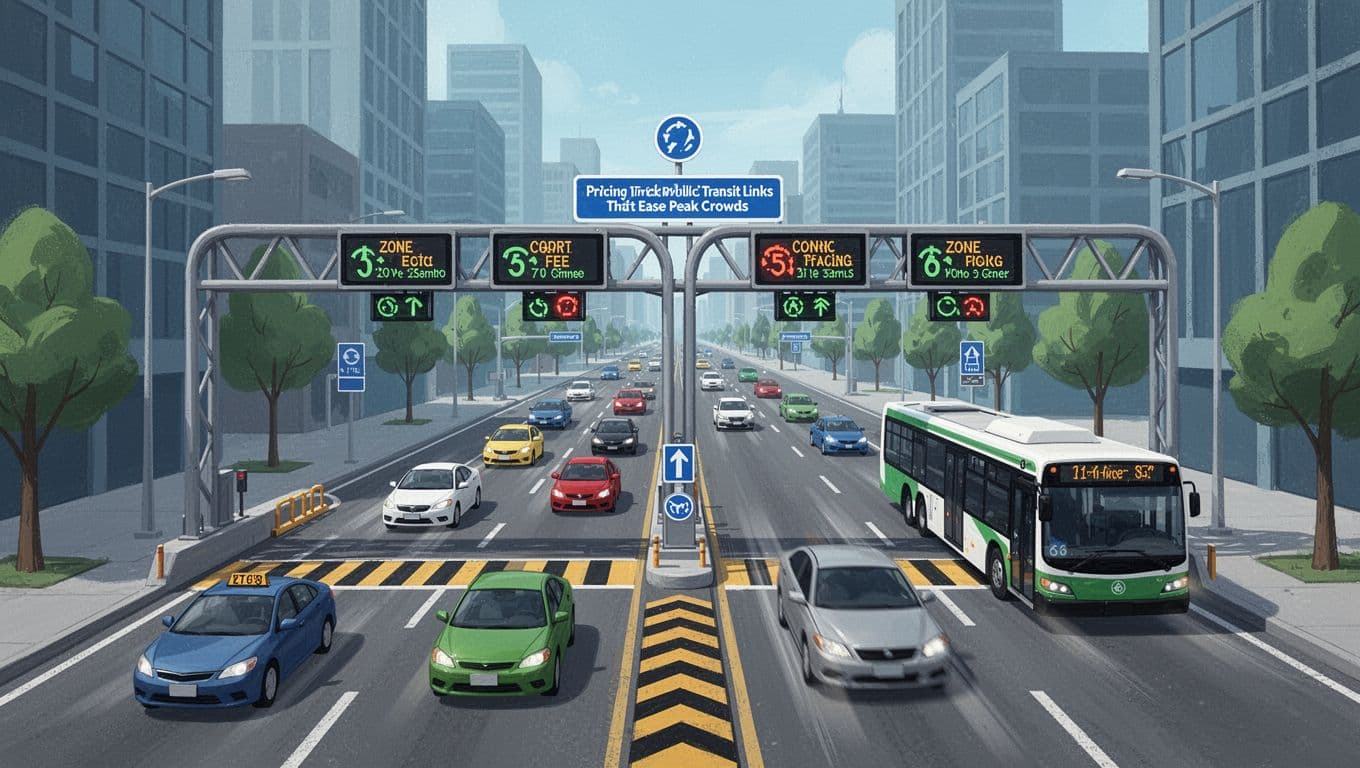
Also, enforcement matters. If people can ignore the rules, congestion returns. Many systems rely on cameras and clear procedures at zone boundaries. That combination nudges behavior without turning commutes into chaos.
If you want a wider look at congestion pricing impacts, CleanTechnica summarizes effects on pollution and other outcomes (The Effects Of Congestion Pricing — Pollution Reduction And So Much More).
Dynamic Rules for High-Traffic Hours
Even with pricing and good signals, cities still face rush-hour surges. So they add “temporary rules” that change how the road operates during busy times.
Common examples include:
- Ramp metering: throttle entry to prevent sudden surges.
- Lane controls: open or restrict lanes based on direction of travel.
- Variable speed limits: reduce shock braking and smooth flow.
- Emergency vehicle priority: keep response routes clear when conditions get tense.
These moves feel like small tweaks. But they protect the fragile part of city driving: the space between cars. When that gap stays stable, intersections work better downstream.
Lessons from Busiest Cities Putting It All Together
Traffic flow management in busy cities rarely comes from one tool. It works because tools reinforce each other.
Adaptive signals reduce stop-and-go at intersections. AI helps identify where queues will grow. Pricing cuts peak demand. Dynamic rules prevent surges from hitting at the wrong moment. Together, they reduce the feedback loop where congestion creates more congestion.
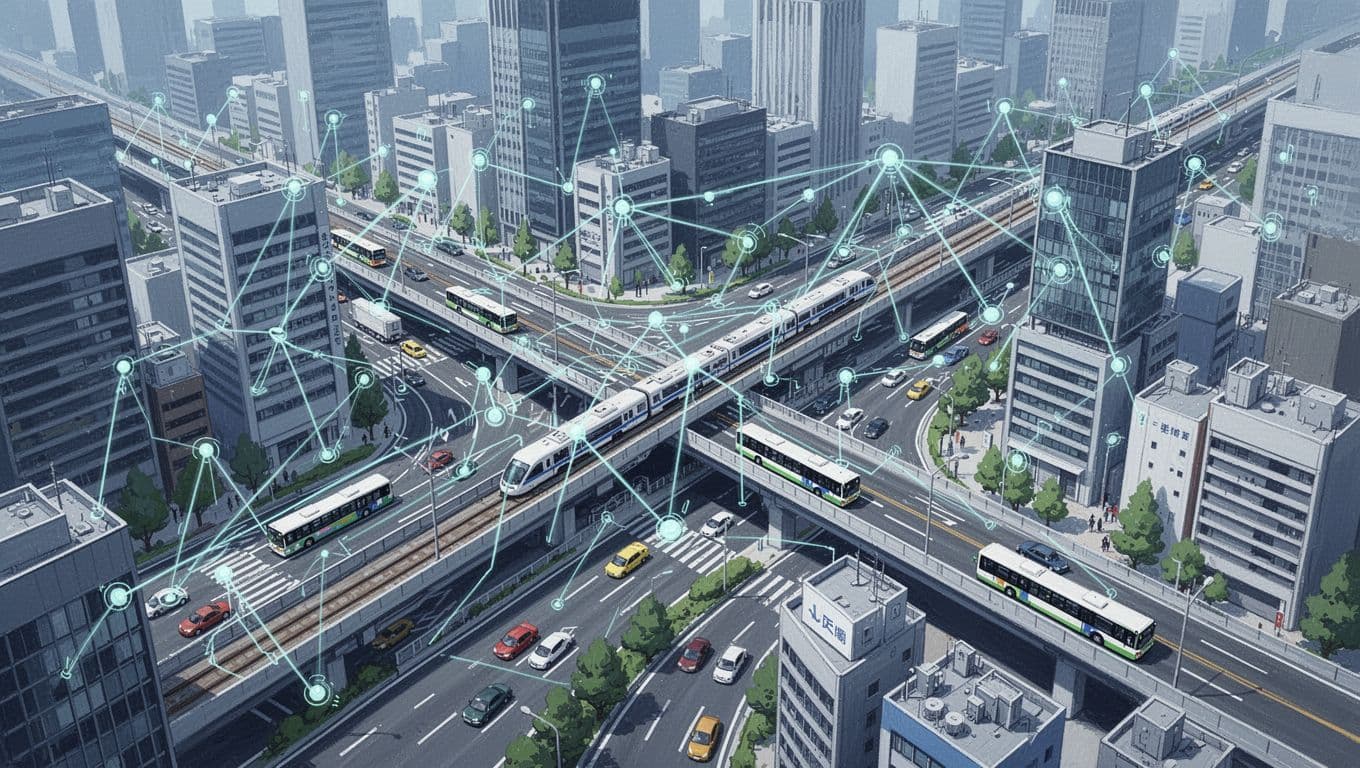
In big metro areas, that’s also a budget and planning issue. Sensors need maintenance. Signal timing plans need updates. Transit service must improve, or pricing alone just shifts frustration.
Still, major cities show a strong pattern: when technology meets policy, commutes get better.
New York and London’s Pricing Power Moves
New York’s program is one of the first major congestion-pricing moves in the US city core, and it started on January 5, 2025. Early 2026 reporting describes faster travel, higher transit use, and improvements in air quality and street safety outcomes (NYC marks one year of congestion pricing with faster travel, cleaner air, safer streets and more revenue than expected).
London, meanwhile, has used the idea of paying to enter the center for years. As those rules matured, traffic and pollution impacts became easier to manage at scale.
London has also added an AI layer to traffic operations. Traffic Technology Today reports on how TfL plans to use AI traffic control as part of its congestion strategy (TfL deploys AI traffic control across London in five-year congestion strategy).
The takeaway for drivers is simple. Pricing reduces peak car volume. Tech helps the roads handle what’s left.
Tokyo and Singapore’s Tech Mastery
Tokyo is a good example of how dense cities can use many small systems without waiting for one perfect fix. Road networks, rail stations, and local street management all work together. That matters because city traffic does not stay in one lane. It moves through neighborhoods, feeder roads, and transfer points.
Singapore is different in style, but similar in goal. It uses a complete road pricing system built around time and location, then it keeps tuning it over decades. Realtime reporting notes Singapore’s big early impact (about 20% traffic reduction right away) and improvements over time, including fewer hours lost to jams.
Both cities highlight a key lesson: the best traffic management systems treat roads like part of a larger network. They don’t only react at intersections. They manage travel patterns across whole corridors.
Conclusion: Smarter Traffic Flow Means Less Time Wasted
If traffic flow management in busy cities taught us anything, it’s that chaos has patterns. When cities measure those patterns, they can act earlier and smarter.
Adaptive signals cut waste at intersections. AI predicts where jams will form. Congestion pricing reduces peak demand. Dynamic rules handle rush-hour spikes. The result is a quieter commute, safer streets, and cleaner air.
Want to help make this happen faster where you live? Support local transit upgrades and share feedback through city transportation apps or council meetings. Then keep asking for smart improvements, not bigger parking lots.
Next time you sit at a light, you’ll know what to look for. The best cities treat traffic like a system, not a punishment.