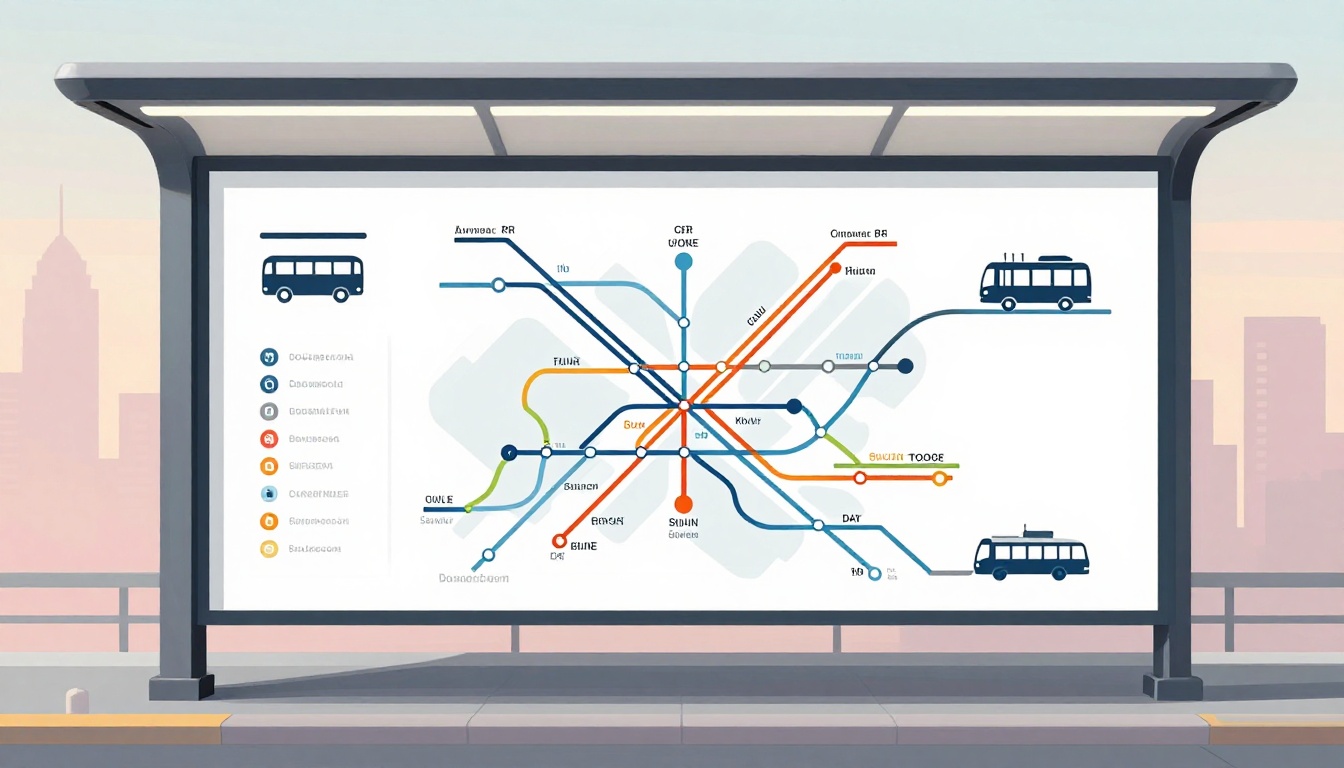
Ever stepped into a busy station and thought, “How am I supposed to figure this out”? Public transportation can feel random at first. Yet most cities run on a simple idea: move people along fixed routes, on predictable timetables, with clear payment rules.
If you’re new, you’ll save money and stress by learning the basics early. Plus, transit helps you explore faster and cheaper than driving or rideshares. You’ll also get fewer emissions (and more people-watching).
This beginner guide breaks down how public transportation systems work in cities. You’ll learn the main modes (buses, subways, trams, and ferries), how to plan a trip, how tickets and payments work, and what the daily operations look like. You’ll also see real examples from New York, London, and Tokyo, so it feels familiar instead of overwhelming.
The Core Types of Public Transportation in Urban Areas
Think of a city’s transit system like a spiderweb. Some lines cover neighborhoods close to the streets. Other lines go fast through busy areas. Most cities combine several modes so you can reach almost anywhere.
Here are the main options you’ll see most often:
- Buses move along streets (and connect areas where trains do not).
- Subways or metros run underground or through dense areas (fast for long hops).
- Trams or streetcars run on tracks in mixed streets or dedicated lanes (often more local).
- Ferries cross water routes (useful, sometimes scenic, and surprisingly fast).
Cities mix these because each mode solves a different problem. Buses bring you to train stations. Trains handle heavy commuting. Trams fill gaps in some districts. Ferries bridge rivers and bays.
In New York City, you’ll mostly rely on subways and buses. In London, you’ll use the Tube plus buses, and you may see trams depending on the neighborhood. In Tokyo, trains and subways are the backbone, with tap-and-go IC cards making rides easy.
Buses: Your Go-To for City Streets and Suburbs
Buses are the most common transit tool because they’re flexible. They run on regular roads, so they can serve many neighborhoods without tunnels or track work. You’ll usually find frequent stops along busy corridors, plus service to areas farther from downtown.
In practice, boarding a bus is simple. You wait at a stop with a route sign or marker. Then you check the route number and direction. When the bus arrives, you pay using the system your city uses (contactless taps, stored value cards, or tickets).
Buses also handle “last-mile” travel. That means the short trip between a train station and where you actually live or work. If you miss a train, a bus might still get you moving.
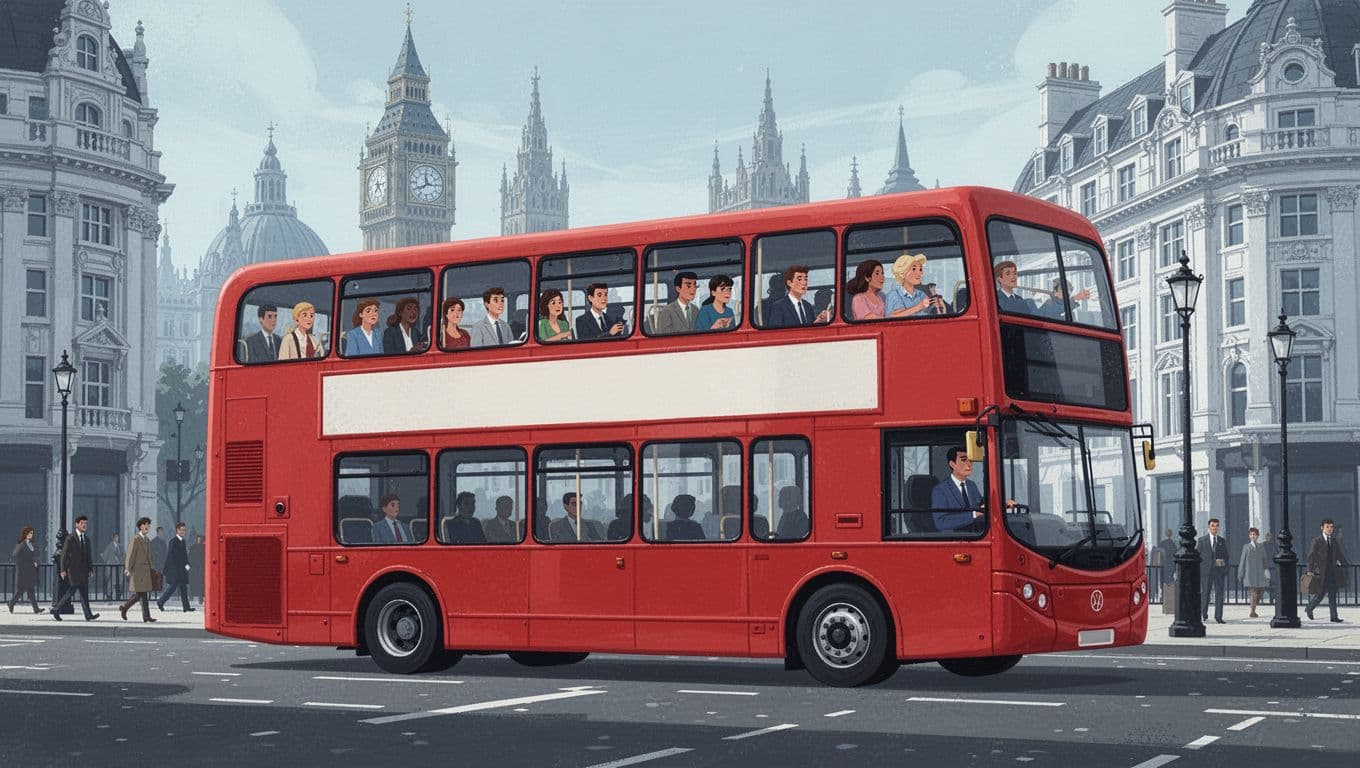
London is a great example because double-decker buses are iconic. From the top deck, you get a better view of streets and landmarks. In many cases, buses in London run very late and sometimes around the clock on key routes.
New York uses buses everywhere too. You’ll often see bus routes connecting subway stops across boroughs. During busy hours, buses can get stuck in traffic, though dedicated lanes and signal timing help in some areas.
Here’s a beginner-friendly tip: treat the route number as your “train line.” If it’s correct and headed the right way, you’re on track.
Subways and Metros: Fast Underground Travel
Subways and metros solve a different problem. They move people quickly through crowded areas where roads slow everything down. You get fewer stops per mile, and you avoid traffic jams.
The basic pattern stays consistent. You enter a station, find your direction, then match your stop to a line. Stations can be huge, so transfers require attention. Still, the system follows logic: trains run along named lines, and service patterns repeat daily.
New York City is a beginner-friendly case in one way. The subway runs 24 hours, so you’re not stuck with “time windows.” If you want a deeper walkthrough of how it works, use a trusted explainer like NYC Subway Guide: How to Ride Like a Local. It breaks down direction, payments, and the “how do I move like a local” part.
London relies on the Tube for major corridors. It’s also zoned for fares, which means how far you travel matters. Stations and platforms can be confusing, so always double-check the direction sign.
Tokyo takes punctuality seriously. Trains and subways are known for staying on time even when they’re crowded. For beginners, the biggest win is the payment simplicity with IC cards like Suica or Pasmo.
Trams, Streetcars, and Ferries: Niche but Handy Options
Trams and streetcars can feel “extra” at first because not every city uses them heavily. But they’re often a great match for certain places, like neighborhood corridors or areas near tourist spots.
Trams usually run on tracks in streets or along reserved lanes. That can make them steadier than buses when traffic piles up. In some cities, they also create a smoother ride than you’d expect, especially in places with dedicated tramways.
Ferries are even more “special.” They connect areas separated by water. They’re useful in cities with rivers, bays, or coastal routes. In many cities, ferry rides are also a low-stress way to travel when roads feel chaotic.
London has popular river options, while New York has ferry routes that connect boroughs and offer scenic views. In Tokyo, you’ll use trains far more than ferries for most trips, though waterfront routes exist.
If you remember one rule, make it this: use trams and ferries when they shorten the trip. Don’t force them if they add complexity. A simple bus or train connection beats a complicated sightseeing route.
Planning Your Route: Apps, Maps, and Smart Choices
Planning is where most beginners build confidence. The goal is not to memorize the city. It’s to reduce uncertainty.
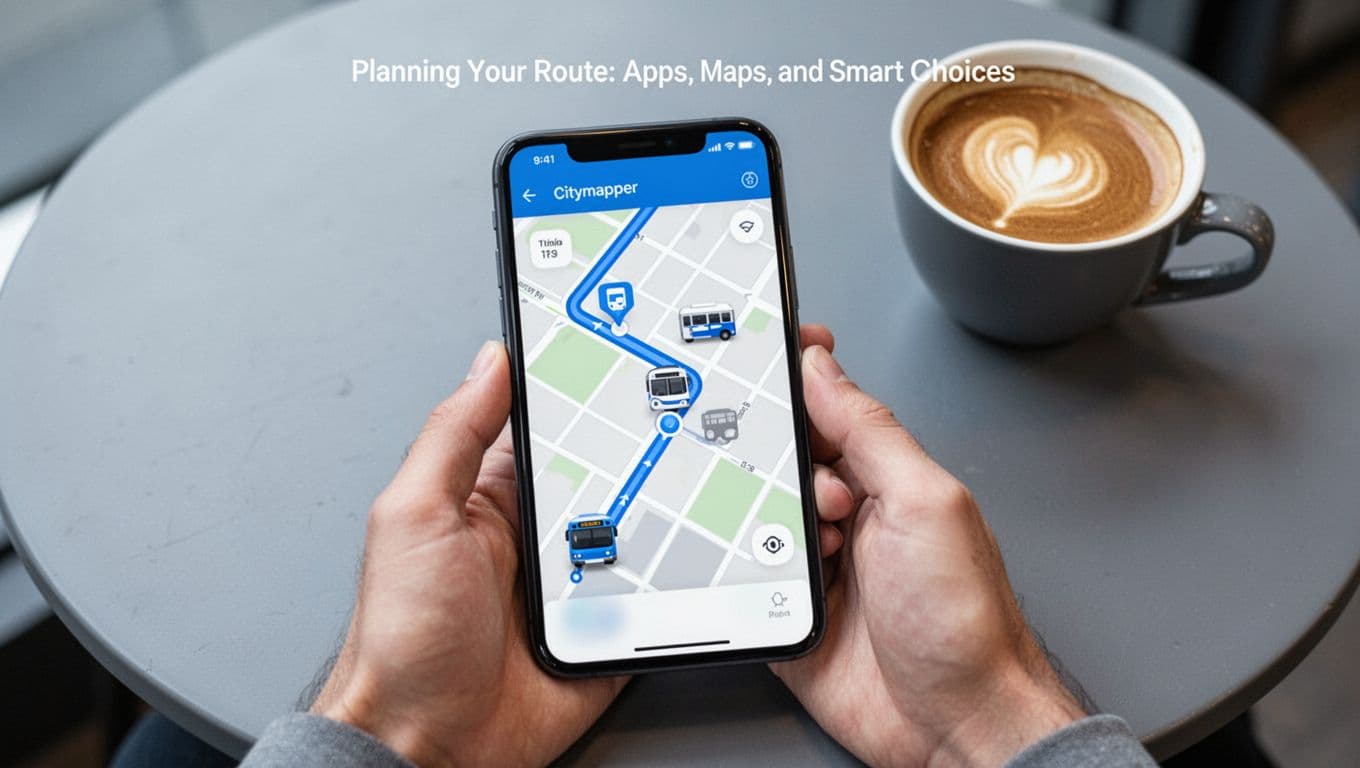
Start with an app. Many cities support route planning that includes live arrival times, transfers, and walk segments. Common choices include Google Maps, Citymapper (in select areas), and local transit apps. For New York specifically, it can help to use an official subway app for real-time updates.
Here’s a simple step-by-step you can repeat every time:
- Search your start and destination in the app.
- Pick the fastest “reasonable” option, not the most complicated one.
- Check transfers (especially station-to-station changes).
- Add walking time, because station walks can surprise you.
- Save your route so you don’t retype everything later.
Meanwhile, practice reading station info. Exit numbers matter in many systems. Stop names matter more than line colors. If you’re leaving a station, confirm the right exit before you go up.
Rush hours also matter. In many big cities, mornings and afternoons get packed. In Tokyo, rush time often hits around 7-9 AM and 5-7 PM, and crowds build fast. London has its own peak window, too, and service patterns can change by time.
Weather can cause delays for both buses and rail. Rain, heat, and storms change how people move, and traffic affects buses.
One more beginner trick: do a “dry run.” Take the route from home to a nearby station on a calm day. You’ll learn the stairs, platforms, and the “where do I stand” spots.
When you’re unsure, choose the route with fewer transfers. It usually saves time, even if the train itself is similar.
And if you’re overwhelmed by a specific system, use a local guide. For New York subway help, this How to Use the NYC Subway: A Step-by-Step Guide is a solid companion when you’re learning the basics.
Tickets, Fares, and Payments Made Simple
Most cities now try to make payment easy. Still, the fare rules vary a lot.
In the simplest terms, you’ll usually pay by:
- Flat fare (same price for most rides)
- Zones (price depends on distance or city rings)
- Distance-based pricing (price grows with how far you travel)
What payment looks like in 2026
New York City (OMNY contactless)
As of January 4, 2026, the base subway and local bus fare is $3 (up from $2.90). Reduced fares for seniors, people with disabilities, and students are $1.50 (up from $1.45). Transfers are free within a time window, and you also get a weekly cap.
New rules also affect beginners. There are no more new or refilled MetroCards since January 1, 2026. So tap with OMNY using a contactless card, phone, watch, or an OMNY card.
London (Oyster or contactless)
London updates fare rules from March 1, 2026. Tube and rail single fares rise, while caps freeze. Bus fares stay frozen until July 5, 2026. If you use Oyster or contactless, the system automatically caps daily or weekly spending (so you don’t overpay).
Peak times commonly run Monday-Friday, 06:30-09:30 and 16:00-19:00. That means the price for the same route can change by time.
Tokyo (Suica or Pasmo IC cards)
Tokyo runs on tap-and-go IC cards. You tap at the gate, then tap out when you exit. That works across many train lines and subways. Mobile options also exist, which helps when you forget a physical card.
Quick comparison: how fares are structured
Here’s the core difference beginners should notice.
| City | Common fare structure | Payment style that usually works for visitors |
|---|---|---|
| New York City | Flat base fare (plus transfer rules) | Tap with OMNY (contactless card or phone) |
| London | Zones (peak vs off-peak affects singles) | Tap with Oyster or contactless for PAYG |
| Tokyo | Distance-based | Tap with Suica or Pasmo at gates |
If you want London basics from an official tourism source, see The London Underground explained: a tourist’s essential guide. It helps you understand how the Tube fits into the bigger transit picture.
The biggest beginner win is getting your payment method working on day one. It prevents “oops, I can’t tap” moments later.
Inside the Daily Grind: Schedules, Crowds, and Maintenance
Transit systems feel random when you’re new. In reality, they run on a tight rhythm: schedules, dispatching, and constant maintenance. When something breaks, the whole network adapts.
Service frequency is the first thing to understand. Some lines run all day. Others run less often late at night. During busy periods, trains show up more frequently, and platforms get crowded.
Then come the human factors. Crowds slow boarding. People stop to check directions. Everyone wants a seat at the same time. That’s why your trip time can vary even when the schedule looks simple.
Delays also happen for normal reasons. Weather affects buses and some track operations. Mechanical issues can cause gaps. Labor actions can disrupt service too.
Maintenance is the hidden side of transit. Many cities use overnight hours for track work, electrical checks, and station repairs. Some lines shut down on weekends for bigger upgrades. That’s why your usual route might change on certain days.
Tokyo’s rail culture often includes strict cleanliness routines and careful station operations. That’s one reason the experience feels orderly, even when trains are packed.
Rush Hour Realities and How to Survive Them
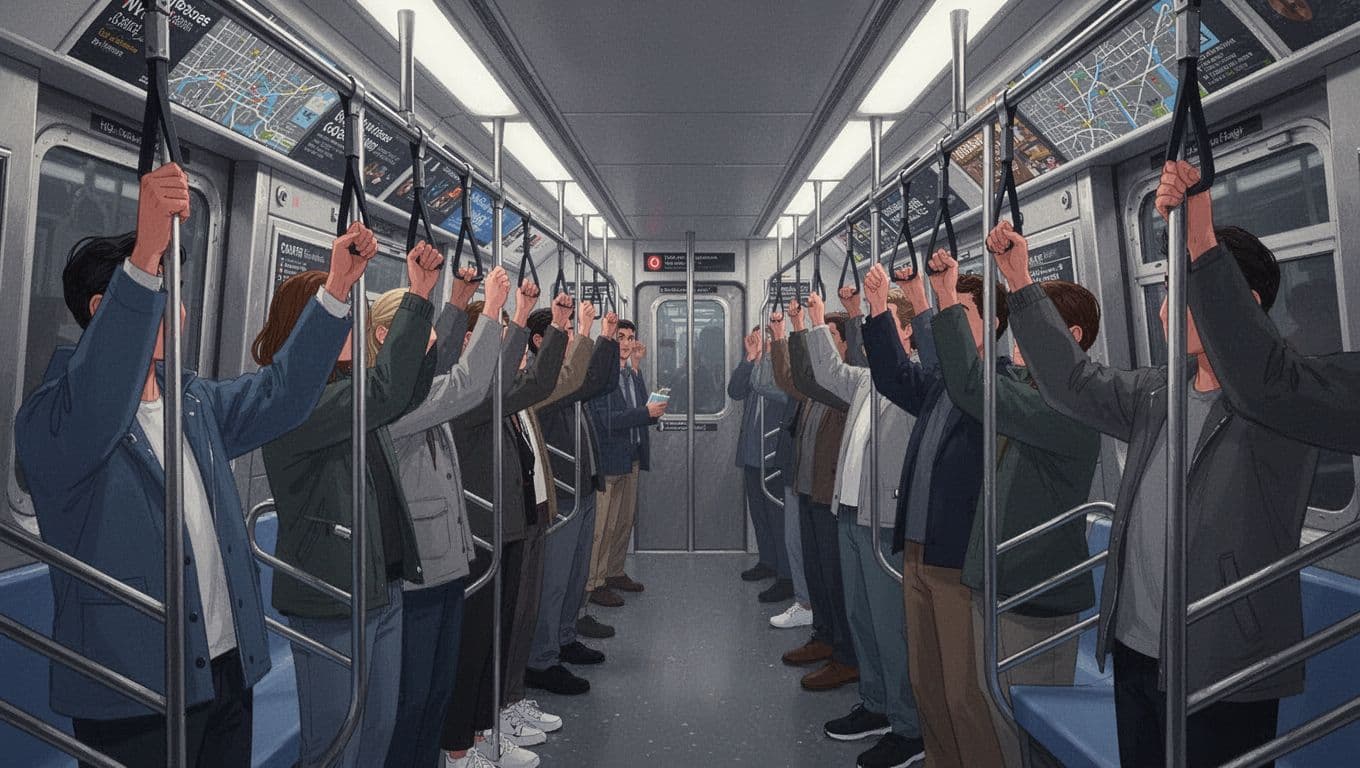
Rush hour is like a traffic jam, just inside a station. You’ll see longer queues and fuller cars. The easiest strategy is to arrive early and follow lane markings or crowd flow.
In some systems, you can also use “hold points” and platform guidance. Tokyo is known for orderly boarding and queuing. People often stand where indicated, which keeps things calmer.
For real-time survival, use your app. Look for service updates, delays, and platform changes.
If you can’t get a seat, don’t fight for it. Stand with space around you, hold steady, and let the car do its job.
What Happens Behind the Scenes to Keep It Running
Behind the scenes, crews inspect tracks, signals, and power systems. They clear debris, repair rails, and test equipment. When trains slow down, dispatchers adjust spacing to keep safety.
That means delays can start small and then spread. One slow segment can affect arrivals at transfer stations. So the best mindset is “expect small changes.” Your job is to keep moving with the updated plan.
Tokyo often feels smooth because its operations are highly coordinated. Still, any city can hit slowdowns during major maintenance or peak surges.
Lessons from Iconic Cities: NYC, London, and Tokyo
Let’s tie it all together. If you understand how each city’s system is built, you’ll get better fast.
New York City runs a massive subway and bus network and many lines operate 24 hours. That flexibility helps travelers with late nights. Yet the system can feel delay-prone, especially when there are service changes. Beginners should rely on real-time alerts and make peace with transfers. Payment is also evolving, with OMNY pushing tap-and-go as the main option.
London uses zoned pricing and a mix of Tube and surface transit. Oyster and contactless PAYG are designed to cap costs. That’s why many visitors feel safe tapping, even if they ride more than planned. Tube stations can be deep and busy, so plan exit directions and give yourself extra time.
Tokyo is famous for punctual service and smooth station flow. IC cards reduce friction at the gate. Even when trains are crowded, boarding tends to feel organized. If you’re a beginner, Tokyo’s biggest advantage is consistency. The rules feel clear, and the system tends to behave predictably.
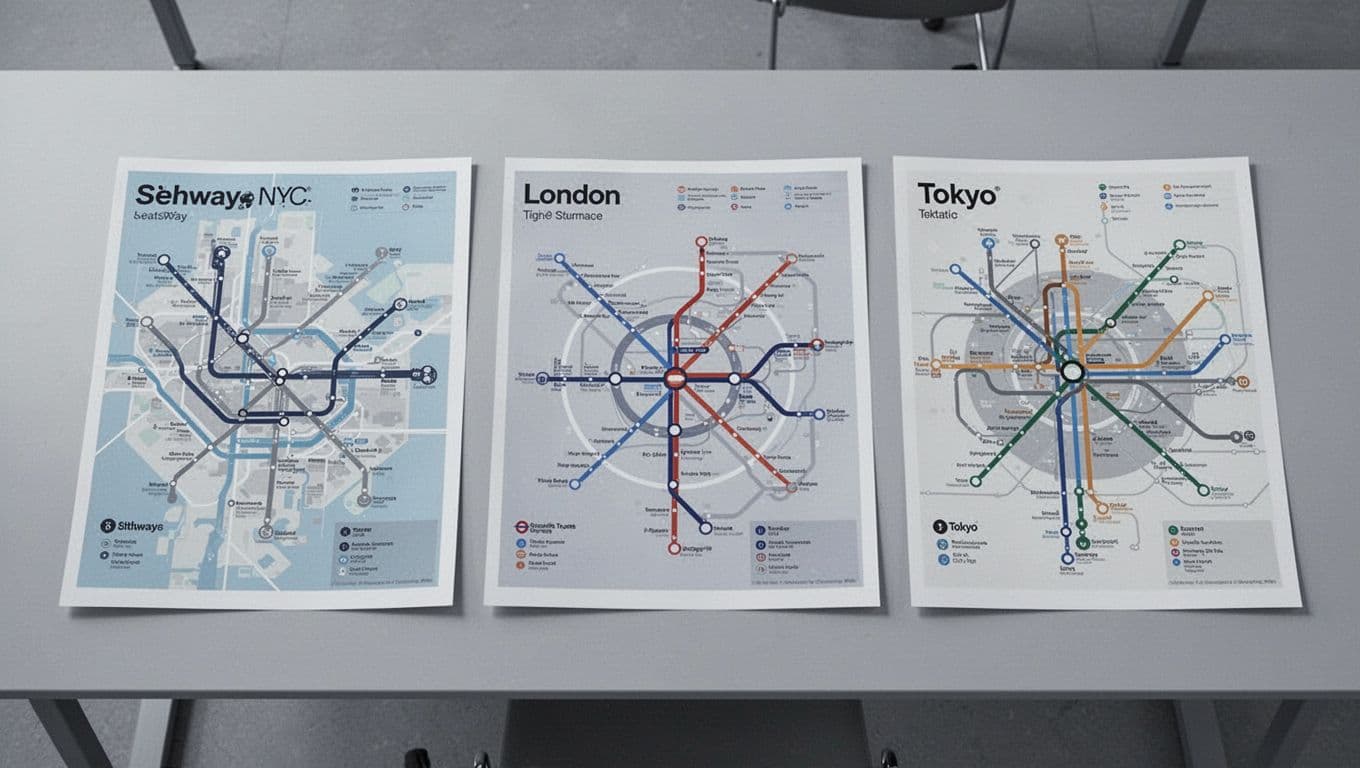
Beginner takeaways that apply everywhere
No matter where you travel, these habits help:
- Pick the right mode for your distance (bus for streets, train for speed).
- Plan with an app, then double-check direction and stops.
- Use the local payment method and watch for caps or transfer rules.
- Respect rush hour flow and give yourself extra time on transfers.
If the opening question still feels real, that’s okay. You’re not slow. You’re learning a new map.
Conclusion
Public transportation can feel like a maze, but it follows patterns. Once you learn the main modes, routing gets easier. Then payment rules start to make sense too, especially when you use apps and tap-and-go systems.
Your best next step is simple. Try your first trip with extra time, rely on live arrivals, and focus on the direction and stop name. That’s how you turn confusion into confidence, fast.
What city are you planning to ride in first, New York, London, or Tokyo?