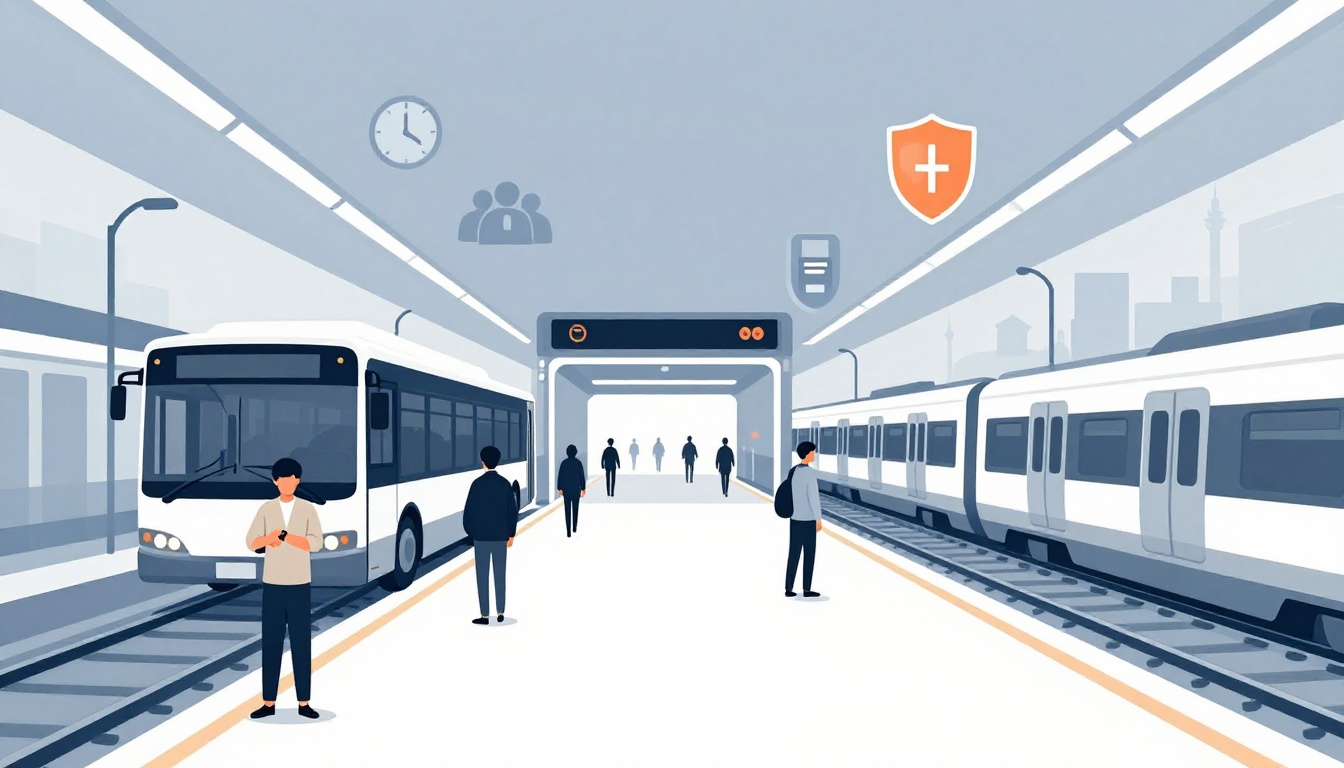
Waiting for a late bus, then watching it disappear, can turn a normal morning into a bad mood. And when service gets cut or fares rise, the stress piles up fast. In March 2026, SEPTA’s budget planning has included a potential 45% service reduction and a 21.5% fare hike (bringing single rides to $2.90). Meanwhile, big events like the FIFA World Cup are pushing host areas to rethink how people get to games.
If you ride transit often, you already know the pattern. Delays waste time. Overcrowding makes trips uncomfortable. Safety and accessibility gaps can make riders hesitate. Cleanliness problems, payment hassles, and navigation confusion also show up more than they should.
The good news? Most of these issues have practical fixes you can use right away. The next sections share simple ways to handle delays, pack-smart crowding, ride safer, pay with less friction, and find your route faster. These tips work now, even as AI signals and autonomous shuttles move closer to everyday service.
Beat Delays and Keep Your Commute on Track
Delays feel personal, but they usually start with basic stress points. Maintenance backlogs, weather damage, staffing gaps, and project delays can all slow service. When you add budget problems, the schedule gets less forgiving. For example, LA’s LAX Automated People Mover (a newer electric rail link) is still not open, with testing expected to finish by June 2026 and possible opening in the second half of 2026. That kind of long delay can ripple into crowds, shuttle waits, and reroutes for travelers.
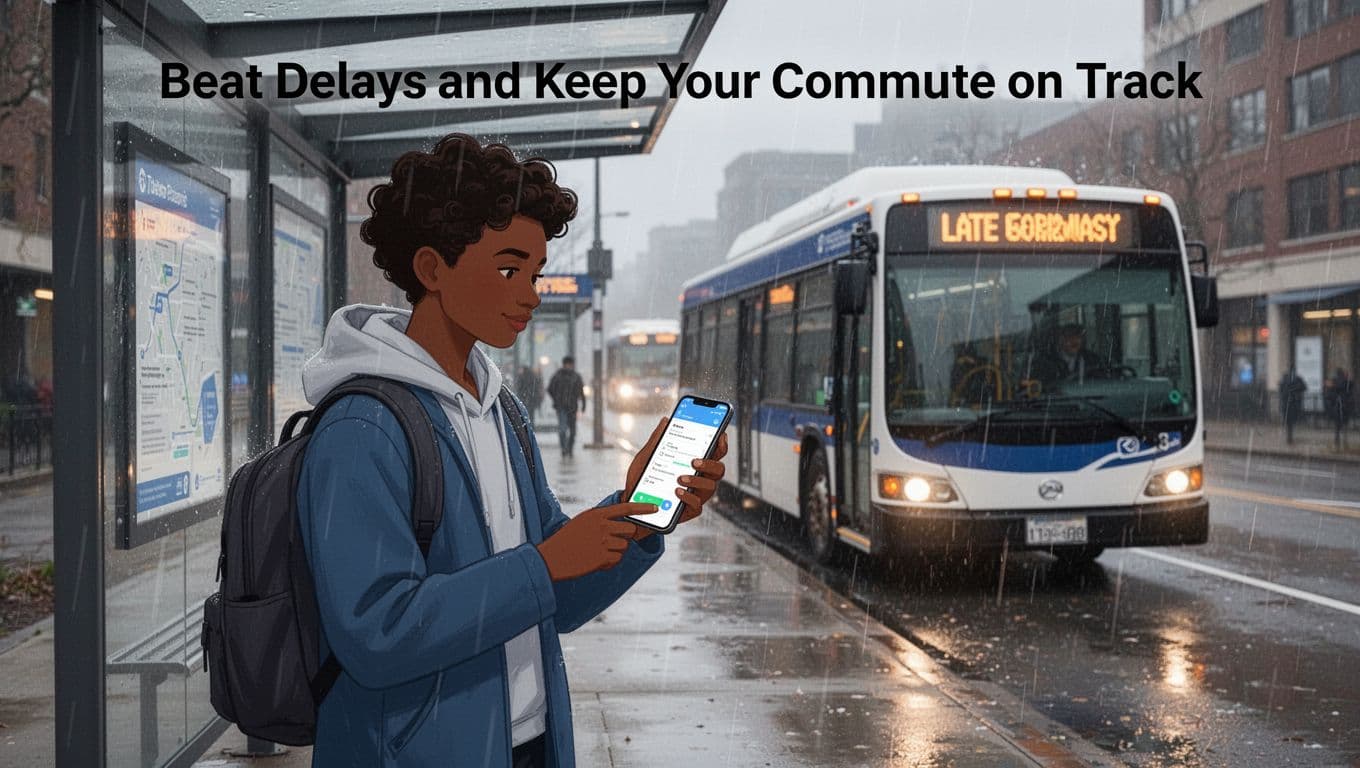
On many systems, you’ll see the same pattern: service runs, then falls behind. After that, delays snowball because buses and trains hit red lights, make up time, or bunch together. Also, when rider numbers change, transit may run less often to cut costs, which creates longer gaps and more late arrivals.
Here’s how to protect your time and sanity, even when the system slips:
- Check live arrival times, not just the posted schedule
- Add a buffer to your “must arrive” time
- Have a backup mode ready for peak days
If you use Google Maps or a transit-first app like Citymapper, you can spot reroutes and delays before you walk to the stop. As a rule of thumb, build a 20 to 30 minute buffer for trips you cannot miss. That buffer is not “extra.” It’s insurance against real-life delays.
During big events, crowd pressure rises. So your backup matters more. If you can, consider a bike or rideshare for part of the trip. Some cities also support “mobility as a service” options (MaaS), which can combine trips across transit and other services. Even one shortcut can keep you on track when rail or bus service backs up.
Finally, try to ride off-peak when you can. If your work hours bend by even 30 minutes, you often reduce waiting time and disruption impact.
Why Delays Hit So Hard in 2026
In 2026, delays aren’t only about today’s breakdown. They’re also about decisions made during tough budgets. SEPTA’s “doomsday budget” planning shows what happens when a system tries to close a shortfall by cutting routes and hours. If cuts take effect, fewer vehicles run, and the schedule tightens. Riders then depend on real-time updates, more than ever.
For Philly riders, local coverage of SEPTA’s planned cuts and fare changes is detailed here: SEPTA approved its “doomsday budget”. When service shrinks, even small problems become big delays.
Outside Philly, event travel adds another layer. For the World Cup, host-area transit systems may get support, but demand spikes fast. Arlington, for example, plans for fan travel even though the broader region leans heavily on cars and faces limits in mass transit coverage. That creates more surface traffic, more transfers, and more chance for late connections.
At the same time, transit systems worldwide face aging networks. Tracks, signals, and stations need constant upkeep. When maintenance falls behind, delays show up as “minor issues” that become major stops.
In short, delays hit hard when riders face less frequency and more crowd pressure.
Proven Steps to Dodge Delay Drama
You can’t control maintenance, weather, or budgets. But you can control how you respond. Try these steps, then keep what works for your routine:
- Set alert rules on your transit app
Choose notifications for route delays, platform changes, and service alerts. Then you act early, before you’re stuck at the stop. - Scan QR codes at stops (when available)
Many stations now use quick links for schedules and live info. It helps when signage is missing or unclear. - Plan a “second best” route before you leave
Decide your backup ahead of time. For example, if your usual bus is late, switch to a nearby train line or a different transfer point. - Use off-peak windows when you can
Even a slightly earlier departure can reduce the chance of running into bunched vehicles. - Bring a small “wait kit”
A charged phone, water, and a light layer matter. When you plan for waiting, delays feel less chaotic.
If you’re trying to improve navigation and route comparisons, Citymapper can help you switch modes faster during disruptions. Here’s the app listing: Citymapper on Google Play.
Ease Overcrowding and Ride More Comfortably
Overcrowding is not just annoying. It changes how safe you feel. It also makes delays worse because trains and buses spend more time opening doors, guiding people, and handling bottlenecks.
In 2026, overcrowding often shows up in “tight pockets” rather than everywhere. Ridership can be down overall in some cities, but vehicles still get packed when frequency drops or when event demand surges. Even if fewer people ride, the trips that still exist may run less often. That combination can produce crowded transfers.
Also, the World Cup will add visitors and game-day travel pressure in host cities. That means more people, more luggage, more transfers, and more crowding at stations near stadiums.
So how do you ride more comfortably?
- Choose routes that keep transfers short. Fewer transfers usually mean fewer crush points.
- Look for less-used cars or entrance options when trains pull in.
- Travel when the system is less strained, even if “off-peak” means slightly earlier or later.
When you make smart choices, you get breathing room. You also reduce the risk of missing your stop because you’re stuck behind a wall of people.
Peak Times That Pack You In Like Sardines
Most riders already know the big windows: mornings from 7 to 9 AM and evenings from 4 to 6 PM. But in 2026, peak crowding can also shift when service changes happen.
If a transit agency reduces routes, you may see crowding spill into times that used to be calmer. For instance, when service gets cut, buses may arrive less often. Riders then bunch up at the same stops, at the same time.
Events can also create “micro-peaks.” Even if your line runs fine on a normal day, game times can overload station exits, elevators, and bus bays. That means your ride can feel packed long before you reach the stadium zone.
So the key is simple: track your line’s live conditions, not just the clock.
Smart Choices for Space on Your Next Trip
When you want room, aim for decisions that reduce bottlenecks. Here are practical, low-effort options:
- Wait for the front or less crowded car
On subways, door crowding can trap you. If you can, choose a car that looks calmer when the train arrives. - Use express options when they exist
Express routes can reduce time on the most crowded segments. Fewer stops can mean less crowd building. - Step onto the train early, then move inward
If you stand by the door, people behind you will keep stacking. Instead, move toward the interior once you’re stable. - Consider paratransit or shared accessible rides
If stairs and crowded platforms drain you, using an accessible service can be easier than forcing a cramped trip. - Aim for “transfer slack”
If you have to change lines, try to build in a small gap. That reduces the chance of rushed platform merges.
Comfort is not a luxury. It’s easier riding, safer movement, and fewer missed stops.
Boost Your Safety and Accessibility on Transit
Safety and accessibility issues often start small. A broken elevator. A shadowy platform. A late-night gap in service. Then they become bigger when you feel unsure.
In 2026, safety concerns also include technology and cyber risk. Transit systems rely on networks, ticketing tools, and control systems. When those systems face threats, riders feel it as delays, payment failures, or system outages.
At the same time, accessibility gaps remain a real problem. Missing ramps, unreliable elevators, and slow assistance can turn a “simple trip” into a stressful mission. For example, when regions do not have enough mass transit capacity near stadiums, riders with mobility needs may face longer walks or tougher transfer paths.
So the focus should be two things at once: safety for your body and accessibility for your route.
Real Risks Riders Face Today
Cyber threats can hit public infrastructure. As more transit systems update software and connected tools, agencies need stronger protections and clear incident plans. For a look at federal cybersecurity requirements for critical infrastructure systems, see the Federal Register notice on CIP-003-11 Cyber Security-Security Management Controls: Federal Register CIP-003-11 cyber controls.
You might not think about cyber risk while waiting for a bus. Still, when transit systems struggle to keep tools running, riders experience the fallout. It can include delayed service, ticketing disruptions, or crowded reroutes during outages.
Meanwhile, physical safety risks often come from aging infrastructure and under-maintenance. Uneven platforms, poorly lit areas, and weather damage can raise the chance of slip or trip incidents. Funding gaps can also lead to problems that linger longer than they should, like stops that don’t get fixed.
Accessibility risks show up in the daily gaps too. An elevator that breaks once can still ruin a whole week if it stays down. So it’s smart to plan with alternatives.
Daily Habits for Safer, Easier Access Rides
You do not need to become a transit expert. But you can build habits that lower risk and reduce stress:
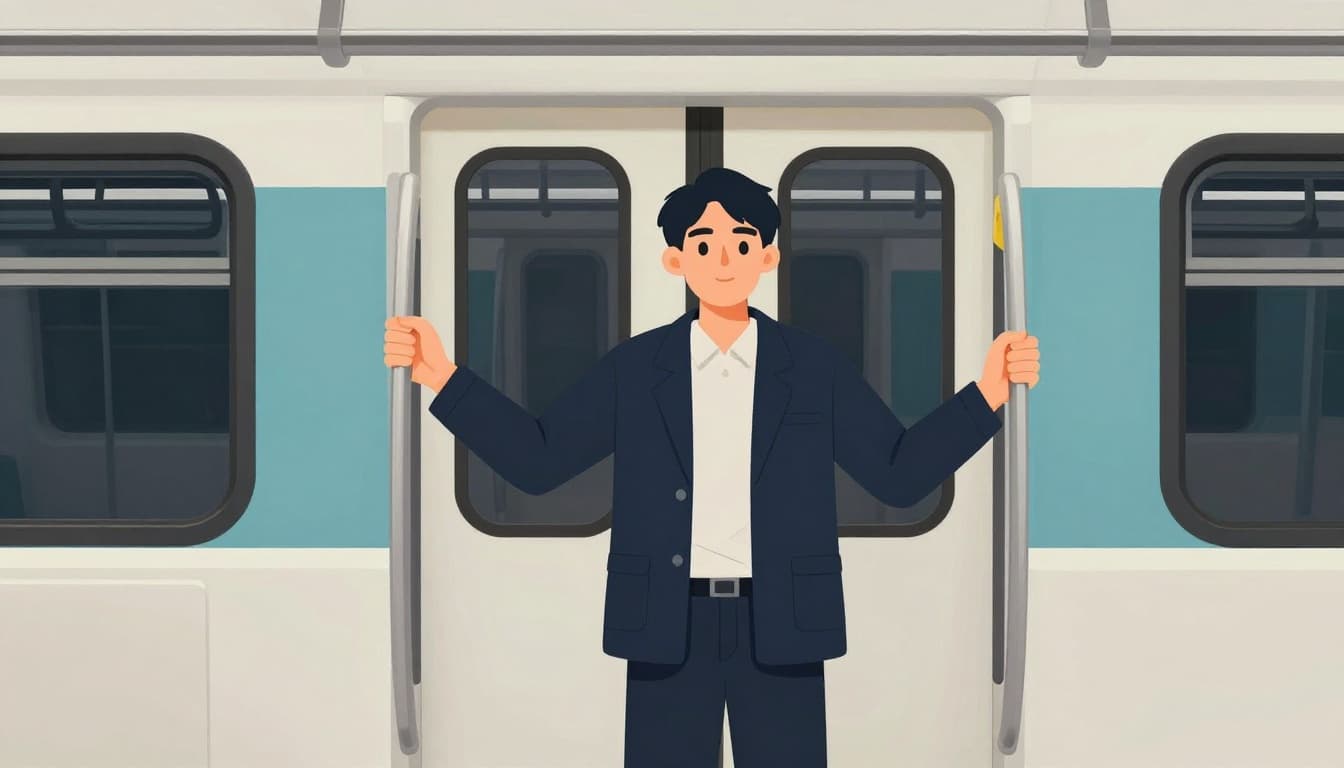
- Stand where you can hold on easily
If the car moves, keep one hand on a rail. This keeps you steady during sudden stops. - Watch the door flow, especially on crowded trains
When people rush out, you may get pushed. Move with the flow, then step away from the door zone. - Use “access-first” route planning
Before you leave, check whether your route includes elevators, accessible buses, or low-floor vehicles. If a key elevator is down, switch routes early. - Report problems fast
If you feel stuck, report the issue through the system’s app or by contacting staff. Quick reporting often helps the next rider. - Bring simple hygiene and readiness items
You can help yourself feel safer with a small pack: hand sanitizer and wipes. When stations and vehicles look messy, hygiene items reduce the discomfort of being close to others.
Safety also means knowing when to change plans. If conditions feel unsafe, switch modes, or wait in a more visible area.
The safest ride is the one you planned for, not the one you forced through.
Solve Payment, Cleanliness, and Navigation Nightmares
Payment hassles are more than an inconvenience. When your card fails or the fare system freezes, you might miss your ride. You also risk a tense moment with staff or fellow riders.
Cleanliness issues create the same kind of friction. Dirty stations, smelly cars, and litter can turn transit into something you avoid. Many agencies struggle with budgets, staffing, and cleaning schedules. Still, riders can reduce the impact day to day.
Navigation confusion is another common problem. If signs are missing or routes are complex, you waste time. That lost time can turn into late arrivals, wrong turns, and more crowding at transfers.
For some context on how transit funding and pricing plans can shift rider experience, it helps to watch local policy changes closely. For example, SEPTA’s budget planning and planned fare increases were widely discussed in Philly media coverage, including details on looming cuts and fares here: What to know about SEPTA’s looming cuts.
Now, here are quick fixes that help across most systems.
Quick Fixes for Fares, Grime, and Wrong Turns
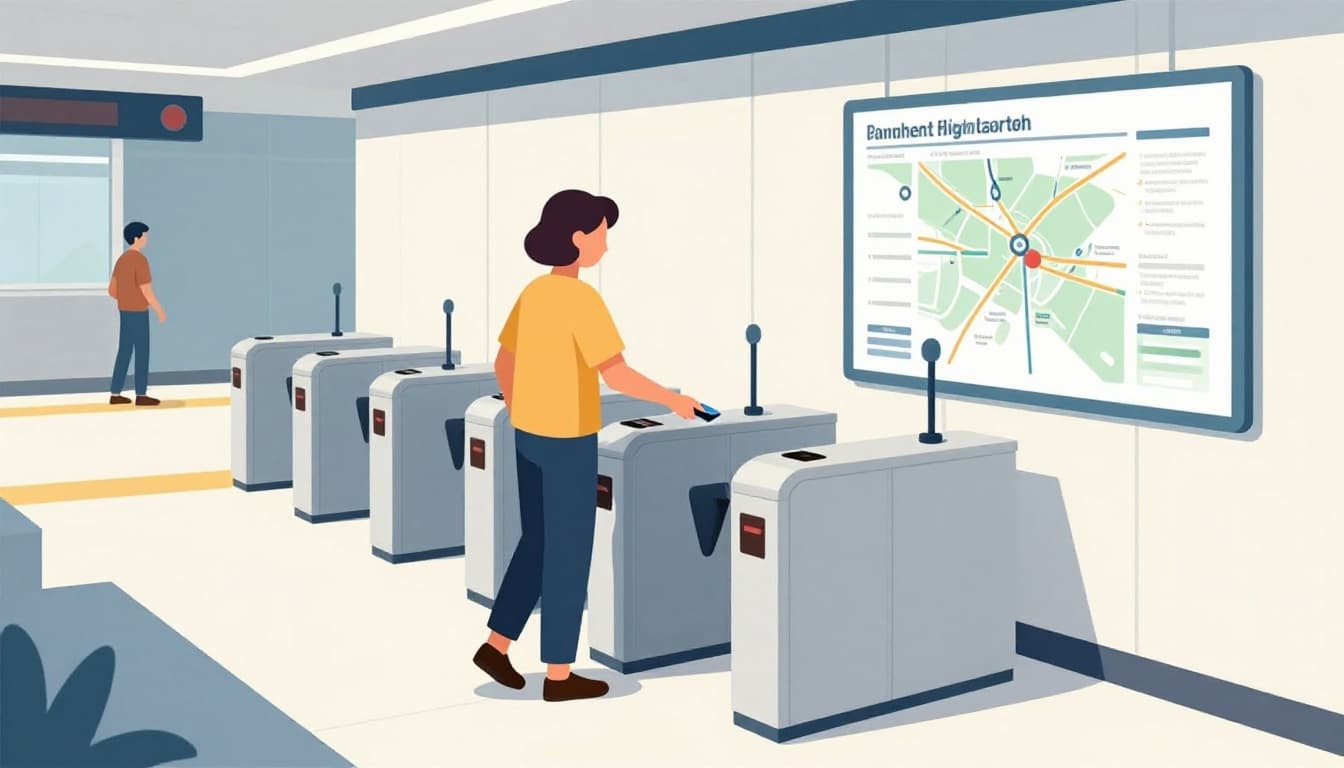
- Use the simplest payment option you can repeat
Contactless cards, mobile tickets, and monthly passes often reduce error. If you have a smart card, reload it early. - Know your backup when a fare system fails
Keep a second form of payment. Even a small cash option can save a trip if scanners glitch. - Carry wipes or sanitizer
This doesn’t fix the problem, but it helps you feel in control. Use it before you handle shared rails or grab poles. - Use turn-by-turn directions for transfers
A map view can confuse you in a crowded station. Step-by-step directions reduce wrong turns. - Look for “decision points,” not every sign
Focus on where you actually choose routes: stairs, platform changes, and exit doors. Ignore distractions. - Plan your route one stop ahead
If you always get off late or early, practice the last segment. It trains your body to move on time.
If you ever feel like transit is playing a puzzle game with your schedule, you’re not wrong. But the right tools and small habits make that puzzle easier to solve.
Conclusion
Delays, overcrowding, safety issues, accessibility gaps, messy stations, payment headaches, and confusing routes can all make public transportation feel exhausting. Still, most of these problems come with rider-ready solutions: check live updates, travel off-peak when possible, plan backups, and use accessibility-first routing.
The strongest takeaway is simple: use real-time info and keep a plan B. When something goes wrong, you respond faster and stress less.
Try one habit tomorrow. Then share your best transit hack in the comments, because better local fixes start with riders speaking up.