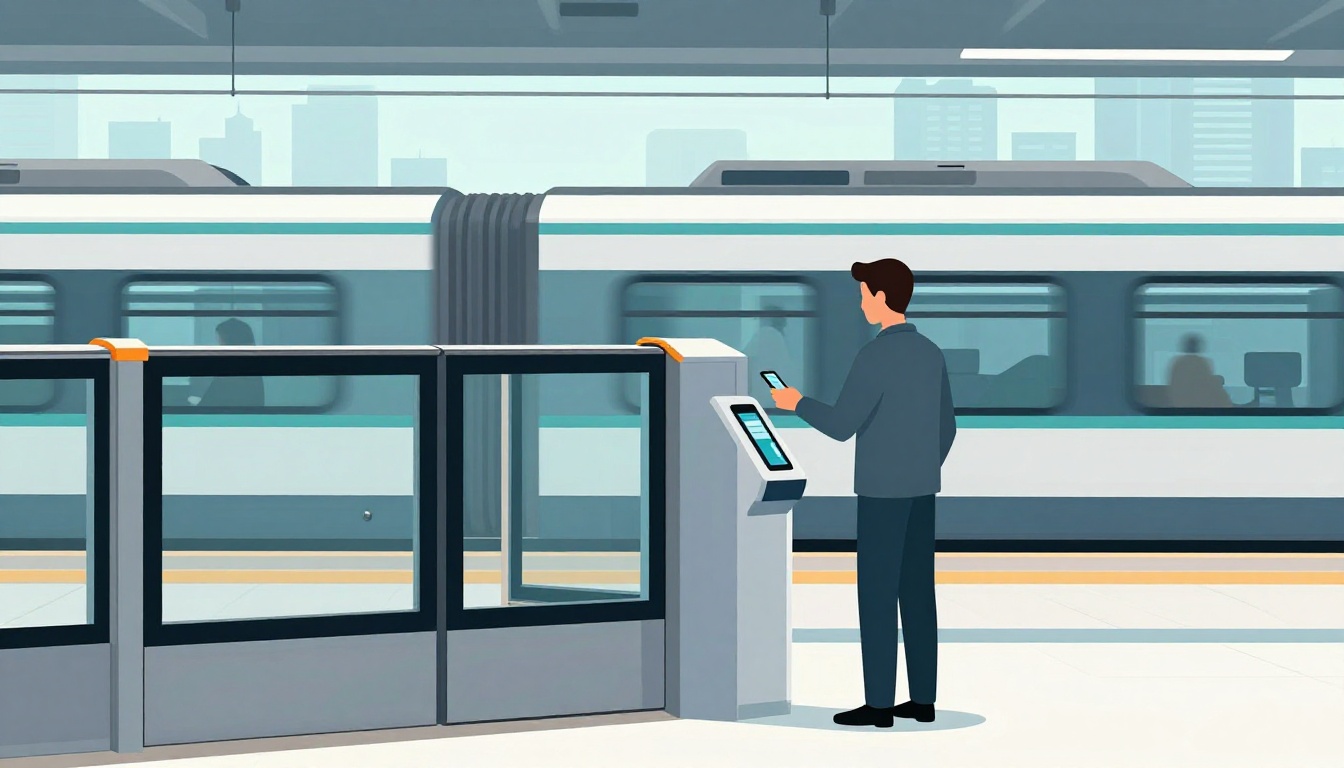
You know that moment at the station, when the line is tight and your train is pulling in. You tap your phone to the reader, and the gate clicks open. No cash. No paper ticket hunt.
That experience is the goal of how ticketing systems work in public transport today. In 2026, many agencies have moved toward contactless entry, mobile QR tickets, and account-based ticketing (ABT). The big payoff is simpler rides, fewer “did I buy the right fare?” moments, and automatic fare caps for frequent trips.
Just as important, it cuts friction for staff. Instead of counting paper or fixing payment problems at a machine, teams focus on service. Riders get faster boarding, more reliable pricing, and fewer lost tickets.
In this guide, you’ll see the main ticket types, how you move through the system step by step, and which technologies power the taps. You’ll also get real city examples, plus the challenges agencies still face, like equity and privacy.
What Kinds of Tickets Power Your Daily Commute?
Public transport ticketing has split into a few common formats. Some still use tickets or passes. Others focus on your account, then calculate what you owe after each ride.
Here are the main types you’ll run into on buses, trains, and subways:
Contactless bank cards and wearables: You tap a debit or credit card, or a smartwatch. The reader checks payment in seconds. Often, you don’t need a special transit card.
Mobile tickets with QR or barcodes: You buy in a transit app, then show a QR code to a scanner. This works well for one-time trips or visitor bundles.
Account-based ticketing (ABT): You tap your device or card, and the system links taps to your account. Then it calculates fares using the data it has stored. In many ABT designs, fare caps and “best fare” rules happen automatically. For a clear breakdown of ABT basics, see What is Account-Based Ticketing (ABT)?.
Pay-as-you-go (PAYG): You’re charged per trip, but the system can still apply daily or weekly caps. PAYG makes sense when your travel is mixed, not fixed like a season pass.
Digital concessions: Reduced fares for kids, seniors, or eligible low-income riders. In many places, these rules are now tied to an account or a phone credential, which replaces cash discounts and reduces error.
If you ride often, the magic is usually the cap or “best fare” rule. You get predictable pricing without planning every trip like a math problem.
Contactless Cards and Everyday Bank Payments
Contactless entry means the tap does most of the work. Your card (or phone in some cases) carries the payment credentials. The reader at the gate or bus validator checks eligibility and records the tap.
In practice, this reduces steps for you. Instead of loading money into a transit wallet, you use what you already carry. It also speeds up boarding, especially on rail platforms where gates manage flow.
By 2026, open payments are becoming the default in many US cities and beyond. That matters because it lowers the “new system learning curve.” You learn one habit, then you’re good across lines and operators.
Mobile Tickets Straight from Your Phone App
Mobile QR or barcode tickets solve a simple problem: buying a ticket where you are, not where a machine sits. You can often buy before you leave, or after you walk into the station.
Then you show the code to a scanner. Some systems add extra checks, like validating a unique ticket token each time. Because the ticket lives on your phone, staff can confirm it quickly.
Also, mobile apps often connect trip info to ticketing. So route delays, platform updates, and ticket validity can show together. That cuts the “Which app is this in?” confusion.
Account-Based Ticketing for Automatic Fare Savings
ABT shifts fare rules into the back office. Instead of the card or ticket holding every detail, the system links your taps to your account.
Because the system knows your travel pattern, it can apply caps across buses and rail. You might pay less than you’d expect, even if you didn’t buy a weekly pass.
ABT also helps with transfers. When you switch modes, the system can decide whether it counts as one continuous trip or separate rides. In other words, the system tries to match how people actually travel.
Pay-As-You-Go and Special Discounts Made Easy
PAYG keeps pricing tied to your actual rides. You get charged for what you use, not what you guess you’ll use.
Digital concessions make fairness easier. Instead of carrying multiple paper proofs, you can have eligibility tied to a profile. When that works well, you get reduced fares without asking a staff member every time.
The best version of this approach also blocks accidental overcharging. If your concession isn’t verified yet, the app may guide you to fix it before you board.
Step by Step: Navigating a Ticketing System on Your Trip
Once you know the pattern, ticketing feels less like a process and more like muscle memory.
In many US cities, your ride flow looks like this, whether you tap with a bank card or use a phone ticket.
- Prep and buy (if needed): Load funds, buy a ticket, or ensure your account is ready before you leave.
- Tap or scan at entry: Use gates, handheld validators, or bus readers. Some systems require tap-in only. Others also want tap-out.
- Ride and let the system track: Your taps and location data (when used) tie each ride to your account.
- Auto-charge or cap: The back office charges your payment method. Fare caps can apply based on your daily or weekly travel.
On buses, the “tap” usually happens when you board. On trains, it happens at gates before you reach the platform.
If you forget to tap, the rules usually kick in at inspection time. Some systems can help you fix missing taps in an app. Others treat it as no entry, so be careful.
Prep and Buy: Load Up Before You Leave Home
Even in a contactless world, prep still matters. Before you ride, you want one of these ready:
- Your payment card is set in your phone wallet or carried in your pocket.
- Your transit app account is logged in.
- Your ticket is bought and stored (if QR is required).
Most agencies let you do this in minutes. You can often add money, buy a pass, or confirm concession status from home.
Tap In and Go: Entering Stations or Buses Smoothly
At the validator, you tap the payment method or show your code. Then the system responds with a quick approval, often a sound and light.
Sometimes the reader asks you to “tap again” if it did not read properly. If it happens, just follow the prompt. A quick retry prevents a bigger problem later.
For Chicago, CTA riders can use contactless bank cards (or other approved methods) on buses and at train turnstiles. The CTA explains the basics clearly on CTA how to pay for your fare.
Ride and Track: Behind-the-Scenes Journey Monitoring
You usually don’t need to do anything while riding. Most systems record taps at entry points.
Some systems also track movement using GPS, check-in and check-out, or station gate events. That helps them bill accurately and apply transfer rules.
If you’re worried about tracking, look for agency notices about how they use data. Good systems explain what’s stored, how long, and what’s anonymous.
Tech Innovations Driving Seamless Ticketing Experiences
Ticketing systems run on hardware and software. The “seamless” part comes from how well they work together.
Several tech pieces stand out in 2026:
- NFC/RFID taps for card, phone, and wearable entry
- Cloud back offices to handle ABT, caps, and fare rules
- App-based controls so riders can buy, manage, and verify
- Light validators that reduce hardware at the curb or gate
The goal is simple: fewer machines you must understand, fewer queues you must join.
NFC and Open Payments for Effortless Taps
NFC chips in phones and EMV cards make taps reliable. Open payments mean you can use your bank card instead of a stored-value card.
This matters for speed. When boarding is fast, buses keep their schedule. On rail, gates clear more quickly.
Open payments also help visitors. They don’t need to find a ticket kiosk and learn a new card setup.
Apps as Your All-in-One Transit Hub
Transit apps can hold tickets, show routes, and offer real-time updates. Some apps also support ride-planning that mixes modes, like bus plus train plus shared bikes.
When ticketing is inside the app, your travel details stay together. That reduces mistakes, like using the wrong barcode or ticket type.
Even when you tap with a bank card, apps often help with receipts, fare history, and customer support.
Cloud and AI: Smarter Systems Behind the Curtain
In many big cities, cloud systems act as the “back office brain.” They handle fare rules, cap calculations, and reconciliations across operators.
AI can also support planning and support. It may help predict crowding, improve schedule tuning, and spot unusual tap patterns that suggest faults or misuse.
Still, the best systems keep it practical. Riders see fewer hardware issues and clearer messages when something goes wrong.
Real Examples: Ticketing Wins in Leading Cities
Different cities start from different systems. Yet the strongest wins usually share the same traits: fast entry, fair pricing, and clear rules in the app.
London TfL: Capping Fares Across the Network
London is a famous case for fare capping with contactless and Oyster. Riders tap in, then TfL calculates caps based on time windows and zones.
TfL spells out how daily and weekly caps work on Fare capping. That transparency helps riders trust the system.
The result feels fair. You can take multiple rides without worrying you paid too much for being flexible.
Singapore and Madrid: AI-Powered Mobile Mastery
Singapore’s approach puts contactless first, with strong support for both residents and visitors. The government highlights Contactless Fare Payment For Public Transport as part of its broader payment strategy.
Madrid’s focus often leans into operational reliability and smooth ticket checks. When staff can confirm tickets quickly, riders spend less time waiting during inspections.
Across both places, mobile and contactless support helps riders spend more time moving, less time figuring out tickets.
Challenges Today and Exciting Trends Tomorrow
Even with modern tech, ticketing still has friction points.
First, costs can be high. Replacing old systems takes time, testing, and staff training. Second, equity matters. If concessions require a phone app, some riders may struggle. That’s why agencies still offer offline help and alternative workflows.
Privacy is also a real concern. ABT and app-based tickets create more data trails. Riders deserve clear rules about what’s stored and why.
Looking ahead to late 2026, expect more of these trends:
- Wider use of open payments and unified ABT rules across modes
- More fare caps and “best fare” pricing without extra passes
- Better AI for crowd prediction and fewer gate jams
- More trust-based enforcement, backed by clearer rider messaging
The direction is clear. Ticketing keeps getting easier, not harder.
Conclusion: Taps, Codes, and Fair Pricing You Can Count On
If the last few years taught anything, it’s this: great ticketing doesn’t feel like “technology.” It feels like fewer steps and fairer prices.
Contactless entry, mobile QR tickets, and account-based ticketing all aim at the same outcome. You tap, you ride, and the system handles the math behind the scenes.
Next time you commute, try the simplest method available (contactless or the app). Then notice how often you get caps or better pricing without planning ahead.
What ticketing setup do you use most, and what’s one thing you want agencies to improve?