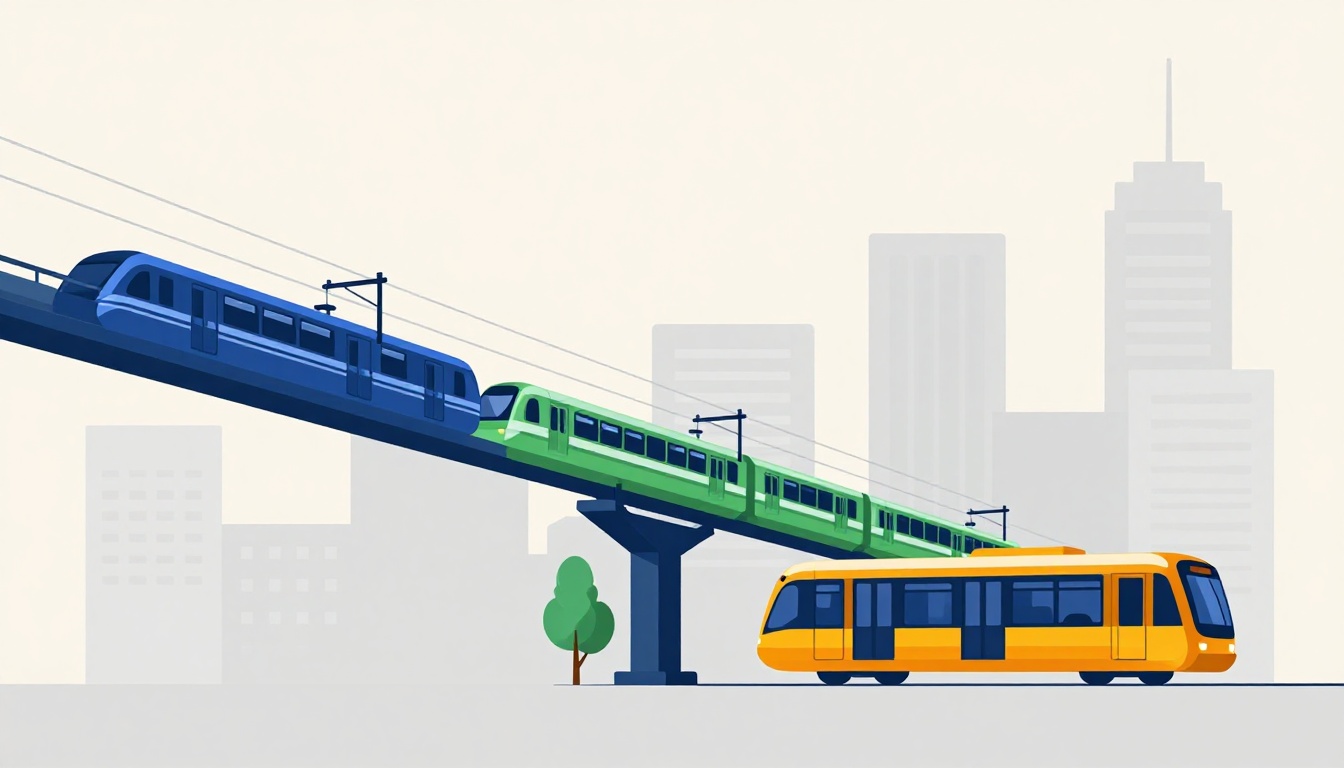
Ever tried to follow a transit sign in a busy city? You see “Metro,” “Subway,” and “Rail,” yet the map colors look similar. That mix-up happens because metro and subway are usually the same kind of service, while “rail” is the broader umbrella term.
If you’ve ever wondered what actually changes when a train is “metro” instead of “light rail,” or why one line feels fast and locked down while another shares space with traffic, you’re in the right place. This guide breaks down the difference between metro, subway, and rail systems using real-world design clues you can spot during your next trip.
You’ll learn what makes metro/subway feel like a high-speed shuttle through the city core. Then you’ll see how rail systems shift from fully separated heavy transit to lighter, more mixed options for longer commutes or neighborhood routes. By the end, you’ll recognize these systems fast, even if the names vary by country.
Next, let’s tackle the biggest confusion first: why “metro” and “subway” feel like twins.
Why Metro and Subway Are Basically Twins in Transit World
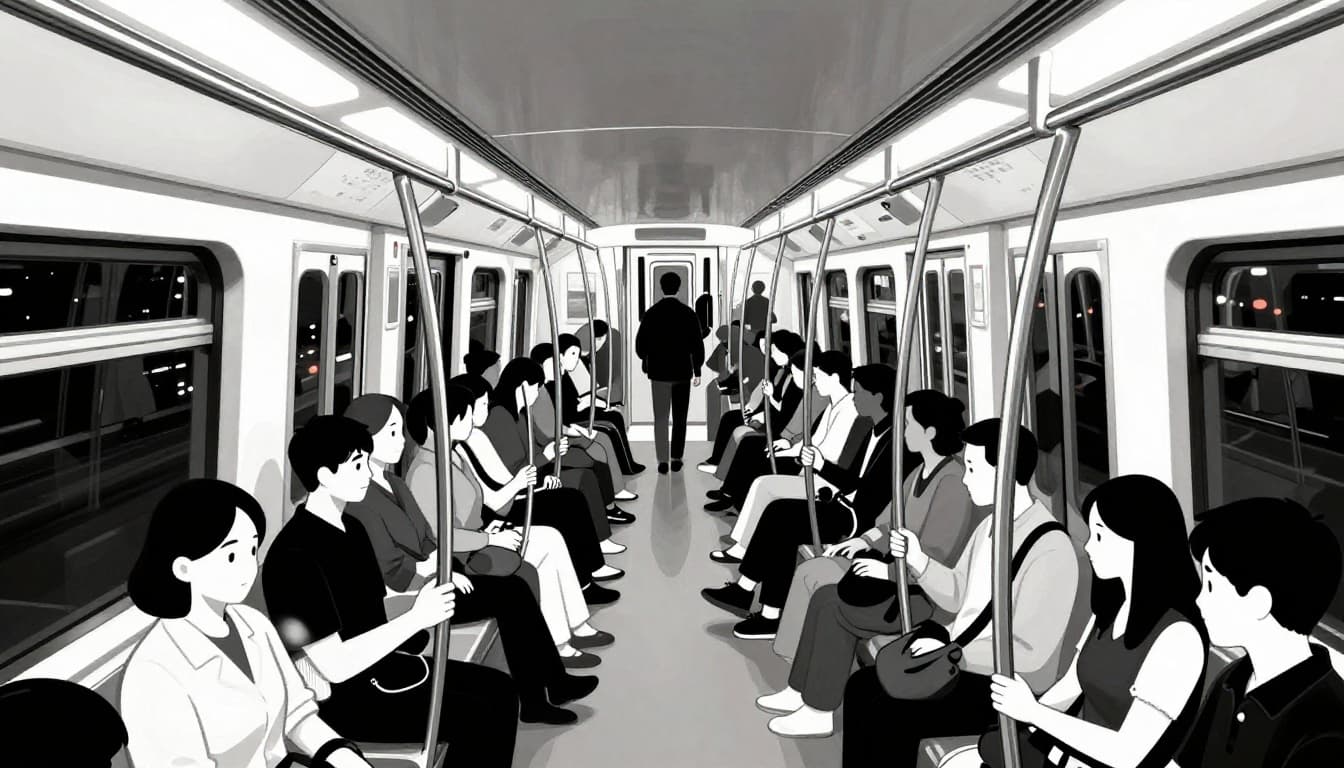
Metro and subway systems are both urban rapid transit. They’re built for high volume, fast rides, and safe operations away from regular street traffic. In other words, they’re the trains you take when you want to move a lot of people through dense areas, quickly.
So what’s the difference? Usually, it comes down to where you live and what local operators call the service. A “metro” is common outside the United States, while “subway” became the common word in many parts of North America. But the core idea stays similar. If you want a simple terminology refresher, see Metro Rail vs. Subway: Understanding the Key Differences.
Here are the traits that make metro and subway systems feel alike:
- Grade separation: tracks are fully separated from roads (often underground, sometimes elevated).
- Electric power: trains usually use electricity, not diesel engines.
- Frequent service: trains run often, especially during commute peaks.
- Tight station spacing: stops can be around half to one kilometer apart.
- High-capacity trains: long trains carry hundreds to over a thousand riders each, depending on the system.
Imagine a metro system as a fast underground highway for people. You don’t have to wait for cars. The trains come back to the platform at short intervals, and stations are designed for crowds.
Metro systems typically hit speeds around 40 to 80 km/h (the exact number depends on the city and track design). Many trains also focus on quick boarding, with doors made for frequent use and platforms built for steady passenger flow.
And yes, the “metro” word has history. London’s early rail projects helped popularize the label, including what became known as the Metropolitan Railway.
Rail Systems Explained: From Urban Heavy Hitters to Street-Level Riders
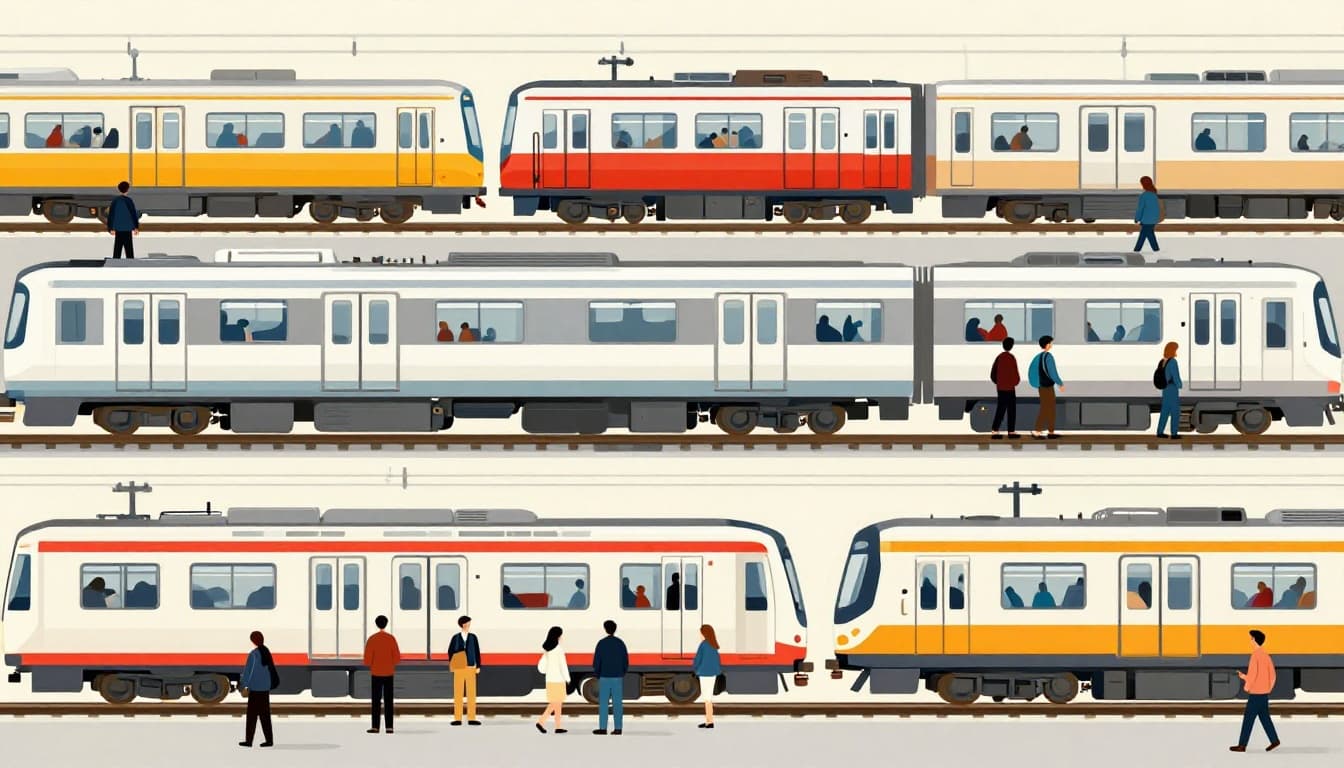
“Rail” is the big umbrella. It can include metros, commuter rail, light rail, and sometimes tram-like services. In casual speech, people lump all trains together. In reality, the difference comes from how separated the track is, how many riders it carries, and how the service fits into daily life.
Think of the rail family as a sliding scale. At one end, you get fully separated heavy transit that moves huge crowds fast. As you move along the scale, the system often becomes more mixed with streets, carries fewer riders, and travels at lower average speeds.
To see how transit modes sit along that kind of continuum, Greater Greater Washington lays it out clearly in Light rail? Heavy rail? Subway? Rail transit modes fall on a continuum.
Most cities use different rail types because they serve different needs. Metro/subway often handles short, dense trips within the core. Commuter rail reaches farther suburbs. Light rail often stitches together neighborhoods, shopping areas, and job centers, with more flexibility.
A helpful way to spot the pattern on a map is to ask: “Does this line mostly stay away from roads?” If it does, you’re probably close to metro or heavy rail. If the line crosses streets more often, you’re likely looking at light rail.
Now let’s break down three rail types you’ll see again and again.
Urban Heavy Rail: The Metro Match
Urban heavy rail is basically the “official cousin” of metro and subway. If you’ve ridden a system with long trains, high platforms, and no street crossings, you’ve probably met this category already.
Typical features include:
- Train length: often multiple cars, sometimes 6 to 10 cars or more.
- Big capacity: built to carry tens of thousands of riders per hour, per direction at peak.
- Station design: high platforms that match train doors for fast boarding.
- Full separation: tracks rarely share space with cars.
- Short-to-medium distances: routes often focus on core corridors, not long suburb-to-suburb hops.
Examples you’ll recognize include Jakarta MRT and Berlin U-Bahn. Even if the cities use different names, the “heavy” part is the clue. These systems feel busy even when the ride is smooth, because they’re built for constant demand.
If you compare heavy rail to longer-distance rail, the difference is distance and stop behavior. Heavy rail often serves tighter corridors with more frequent stops. It’s like a packed elevator that whisks people through the densest floors of the city.
Commuter Rail: Your Suburb-to-City Lifeline
Commuter rail runs farther than metro lines, and it often uses mainline tracks that weren’t built only for city-only service. In many places, commuter rail combines electric and diesel operation depending on the network.
Common commuter rail patterns include:
- Stop spacing: typically farther apart than metro, often a few kilometers.
- Train sets: usually 4 to 12 cars.
- Headways: service every 10 to 30 minutes in peak periods (varies widely).
- Right-of-way: partial separation, plus more shared track realities.
- Service goals: move people between suburbs and city centers.
In Europe, you’ll often see systems like the Paris RER, which blends different trip types across the network. In the United States, GO Transit in Toronto is a good example of how commuter rail supports daily work trips. Berlin S-Bahn also shows how a city can mix inner and outer service in one network.
Commuter rail can feel like a longer bus route with rails. It gets you where you need to be, but it doesn’t try to be as frequent or as tightly spaced as metro.
And because commuter rail may share tracks with freight or other services, riders sometimes feel the schedule constraints more than they would on a metro line.
Light Rail: Flexible and Street-Savvy
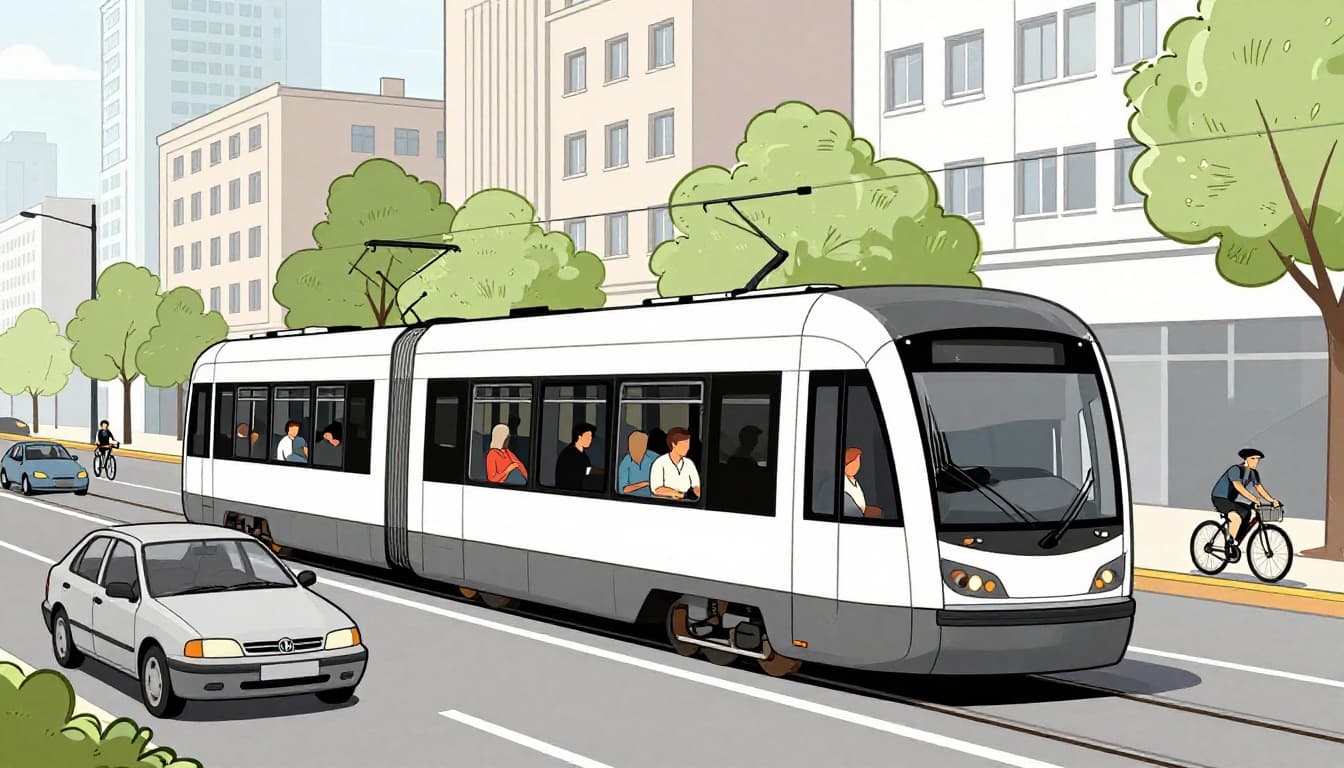
Light rail sits closer to the “street” side of the rail family. It still runs on rails, but it often mixes with roads. In some systems, light rail is fully separated for stretches. In others, it shares space with cars and bikes.
Typical light rail traits include:
- Shorter vehicles: often 1 to 4 cars.
- Medium capacity: enough for neighborhoods and frequent riders, not the biggest crowd peaks.
- Frequent stops: commonly around 0.3 to 1 km apart.
- Lower average speeds: often around 50 to 70 km/h depending on street interaction.
- More flexible routing: light rail can serve corridors that don’t justify full heavy rail investment.
Portland MAX is a well-known example of light rail in the US. In Canada, Montréal’s REM is often described as an automated light metro service, which shows how some cities blur the line between “metro-like” and “light rail-like” operations.
A simple analogy works here. Light rail is like a fast tram that still follows the geometry of a street grid, but moves with less traffic delay than an all-bus route.
Spot the Differences: Safety, Speed, and Squeeze Factors
If you want one reliable way to tell these systems apart, look at three things: separation, capacity, and how often stations show up.
Metro and subway systems usually run on fully grade-separated track. That means trains don’t wait on traffic. Commuter rail is often partly separated but may share lines. Light rail often runs in a mixed setting, especially near busy streets.
Here’s a quick comparison you can use like a mental checklist next time you travel.
| System type | Track separation | Power | Typical station spacing | Typical speed range | Capacity feel |
|---|---|---|---|---|---|
| Metro / Subway (urban heavy rail) | Mostly fully separated (underground or elevated) | Electric | ~0.5 to 1 km | ~40 to 80 km/h | Very high, built for crowd peaks |
| Commuter rail | Partial separation, some shared corridors | Electric or diesel | ~2 to 10 km | ~60 to 110 km/h | Medium to high, aimed at longer trips |
| Light rail | Often mixed with streets, sometimes dedicated | Electric | ~0.3 to 1 km | ~25 to 70 km/h | Medium, strong for neighborhood travel |
After all, “rail” can mean a lot of different things, and definitions vary by country. For a wider baseline on how these services fit into the bigger picture of Urban rail transit, the terminology can help you interpret maps and labels.
One practical takeaway stands out: metros handle dense city riding best, while light rail handles city stitching better. Commuter rail sits in the middle, linking suburbs with the core.
You’ll also notice how crowds behave. Metro trains feel packed at rush hour, then emptier off-peak. Light rail can stay busy through more of the day, because it serves local routes rather than just commute corridors.
If you see level crossings and street traffic, you’re usually not on a metro/subway-style right-of-way.
Global Stars: Metros, Subways, and Rails in Action
Metro and subway systems may share the same “heavy rapid transit” DNA, but the world runs them differently. Some cities tunnel deep. Others build at street level where space allows. What stays consistent is the goal: move many people, reliably.
A few iconic examples show how names and designs vary:
- London Underground: among the oldest metro systems, with deep history shaping today’s network.
- New York City Subway: fast, dense, and built for huge daily demand.
- Paris Métro: known for short distances between stations in dense areas.
- Tokyo: a reminder that strong rail planning can carry enormous daily ridership.
Outside “metro vs. subway,” rail systems keep expanding. In 2026, many projects focus on new links and capacity, especially in growing urban regions. A global round-up of 2026 openings and what’s next is covered by Transit project openings in 2026: A Global Review.
In the US and Canada, rail growth often follows cost and space realities. Heavy rail projects are expensive, so cities sometimes choose bus rapid transit or carefully targeted light rail expansions first. Still, metro-style progress continues, including extensions and new lines that connect major job hubs.
Meanwhile, globally, automation is a trend to watch. Many newer metro builds use higher automation levels, which can improve safety and reduce headways. That said, light rail and commuter rail expansions often focus on adding capacity and connections rather than making every line fully driverless.
For riders, the best news is simpler than the tech headlines. More lines mean more options. Better connections mean shorter transfers. And when the system matches how people actually travel, ridership goes up.
As cities crowd and budgets evolve, the rail mix will keep shifting. Metro and subway will stay the workhorses for dense cores. Commuter rail will keep reaching wider areas. Light rail will keep filling gaps between places that need frequent, local access.
The next time you’re staring at a map, you’ll spot it sooner: each name points to a different job.
Conclusion
Metro and subway are usually the same type of urban heavy rapid transit, just with different regional labels. The bigger umbrella is rail, which includes commuter rail and light rail, each designed for different trip lengths and street interaction.
The clearest differences come from separation, capacity, and station spacing. Metro/subway tends to run away from cars, carry huge crowds, and stop often in the core. Commuter rail reaches farther suburbs. Light rail blends more with streets for flexible neighborhood travel.
Next time you ride, try this quick check: does the track feel fully protected from traffic? If yes, you’re likely on the metro/subway side. If it feels shared, you’re probably in light rail or commuter territory.
And if you want better transit rides, start by recognizing the system type. What’s your most confusing line name, and what did you figure out once you boarded? Share it in the comments, and keep an eye on how metro, subway, and rail systems keep reshaping city life.