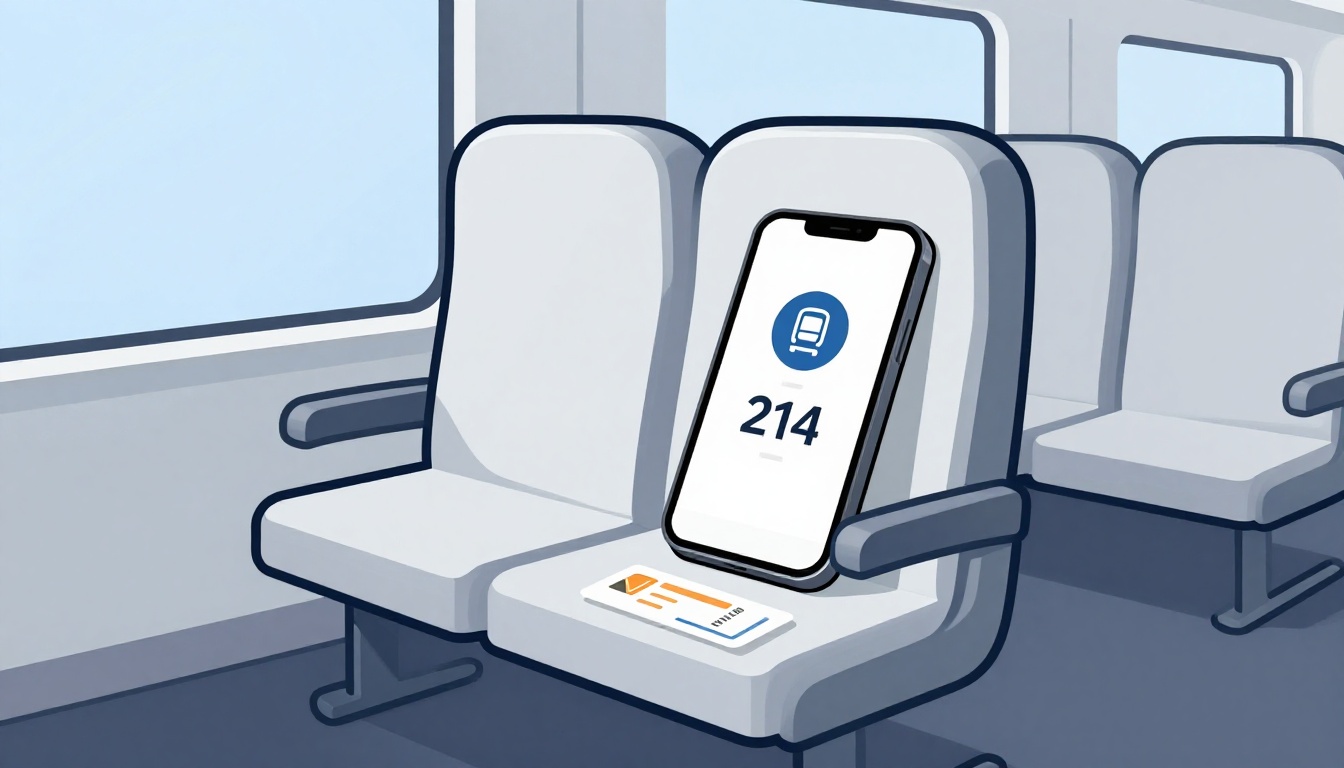
Picture this: you’re sprinting to the platform, your phone shows the train name, and you still feel unsure about the seat. Tickets get you on board, but seat reservations tell you where you sit, and for many routes that part matters as much as the ticket.
That’s where people get stuck. You might buy the right ticket, only to find out you need a reservation too, or you booked a seat that isn’t guaranteed for your exact ride. Even if you’re traveling with confidence, the rules can change by country, train operator, and sometimes even by service type on the same line.
In this guide on how tickets and seat reservations work on trains, you’ll see the difference in plain terms. For example, on Amtrak, you need a ticket for the train, while many seats are reserved seating, and you can often pick a seat for certain services like Acela during booking. Across Europe, operators like Eurostar and TGV typically bundle reservations into the ticket process for most long-distance trains, but availability and timing can differ. In Japan, Shinkansen rides usually need a reservation with your ticket (especially on busy days), while Indian Railways often treats reservations as required for many trains, with waitlist rules you should know before you book.
You’ll also learn easy steps to book the right option the first time, understand common ticket types, and spot money-saving moves like booking early or using the right discounts for your route. Next, you’ll see how to read tickets and seat info so you can tell what’s guaranteed before you ever reach the station.
What Makes Train Tickets Different from Seat Reservations?
Ever wondered why you need both? A train ticket is your entry pass for the trip. A seat reservation is your assigned spot. Without that second piece, you might still be “allowed on,” but you may not get a place to sit for your exact ride.
Think of it like concerts. The ticket gets you into the venue. The reservation is the chair you can count on when the crowd shows up.
Ticket Types You Will See Most Often
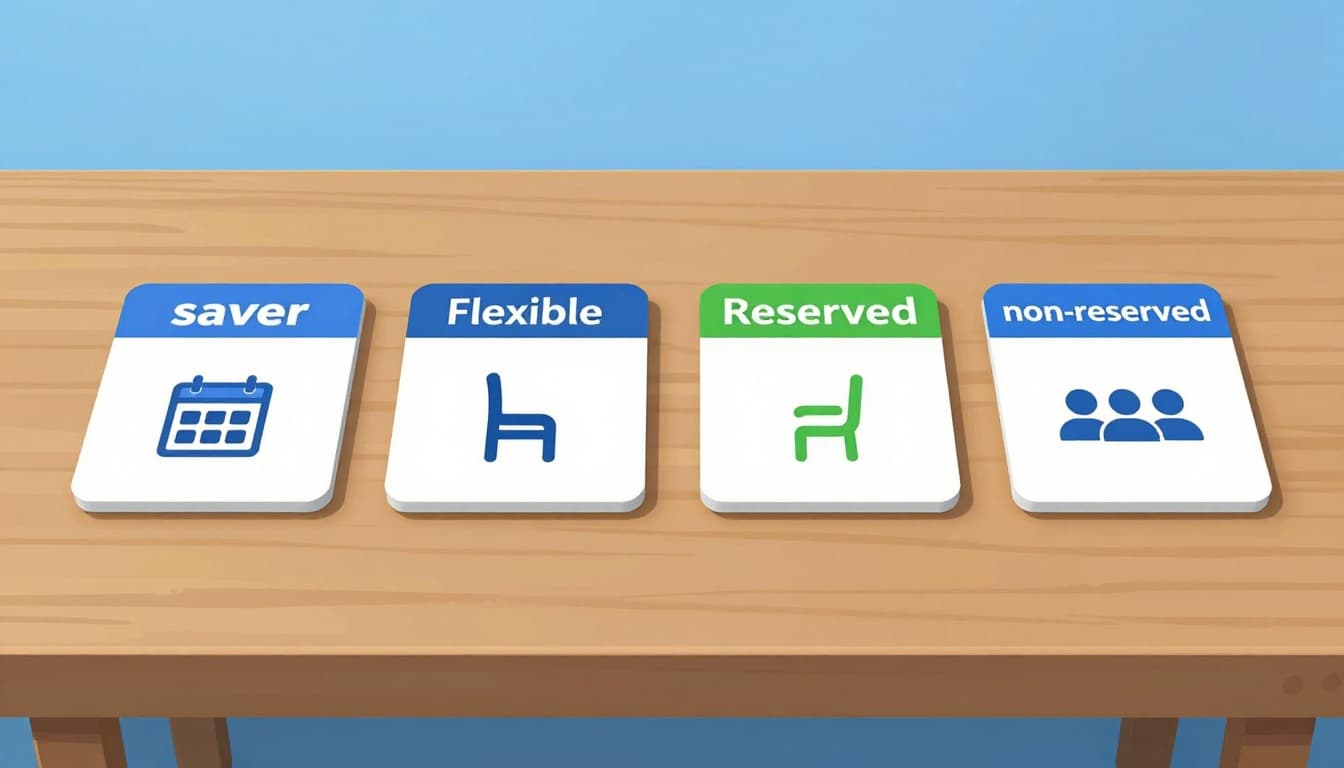
Most train systems mix ticket tiers with reservation rules. Here are the types you’ll commonly see, plus what they usually mean for price and flexibility.
| Ticket type (common name) | Typical deal | Best for | Trade-off |
|---|---|---|---|
| Saver / Value / Advance | Cheapest fare, often fixed date and non-refundable | Planned trips, travelers who book early | Less or no changes, and you might lose value if plans shift |
| Flexible (sometimes “Flex” or business tiers) | Higher price, easier changes | Trips with uncertain timing | Costs more, so you pay for peace of mind |
| Open-ish (rare in some regions) | Some freedom, but not full “any train” | Travelers who want light flexibility | Rules vary, so double-check the exact binding |
| India long-distance: Confirmed / RAC / Waitlist | Seat outcomes in tiers | You want a seat outcome map | “Waitlist” can mean you may not travel that day |
| Japan: Reserved vs non-reserved | Some cars require a reservation | Busy days, popular routes | Non-reserved can fill up fast |
For Amtrak specifically, fare categories like “Saver,” “Value,” and “Flexible” map to different refund and change rules, which can affect your total trip cost later. If you want a clear walkthrough of Amtrak fare levels, see Amtrak’s fare types guide at Wanderu.
A simple rule helps you choose: Saver pays less because you give up flexibility. Flexible costs more because it gives you options when plans change.
Why Reservations Matter and When They Are Must-Haves
Reservations matter because trains move fast, stations get crowded, and “stand and hope” is not a travel plan. On many long-distance services, you need train seat reservations required to avoid standing, walking the aisle, or missing your ride if your boarding window is strict.
Here’s when reservations are typically a must-have:
- Always required on many popular routes where seating is assigned (you must lock in a seat to ride). Examples often include Amtrak long-distance services and many high-speed European trains.
- Required on long-distance trips in places like India, where most riders rely on a set seat outcome.
- Smart but risky on some Shinkansen non-reserved cars, especially during peak travel days. You might find a seat, but you can also end up waiting for an opening.
Fees usually aren’t huge, and sometimes they’re included with your fare or pass. Still, always read the booking line that tells you whether your reservation is separate from your ticket.
Bottom line: If the train is likely full, treat the reservation as part of buying the trip, not an optional extra.
If you’re traveling in Europe, it helps to know that reservation needs vary by country and route. A quick primer on how often reservations come up in Europe is covered in do you have to reserve seats in Europe.
How Seat Reservations Differ Across Top Train Networks
Seat reservations can feel like an afterthought until you hit a full train. Then they turn into the whole trip. The big difference across networks is simple: some systems sell you a seat as part of the ticket, while others treat seating like a buffet (first come, first served).
Below, you’ll see how four major patterns work in practice: bundled reservations in the US and Europe, flexible risks on Japan’s Shinkansen, and tiered seat outcomes in India.
Amtrak and US Trains: Book Early for the Best Deals
On Amtrak, you buy a ticket for a specific train and date, and reservations are built into the ride. Most trains guarantee seating for passengers when seats are available, but you can still run into crowded conditions if you wait too long.
Amtrak also has clear fare families. In general, Saver and similar cheaper tickets cost less because they come with stricter rules. Then, as you move up, Flex/Value/Business options give you more room to change. Here’s what to expect:
- Saver: Usually non-refundable, and it tends to protect the lowest price by limiting changes.
- Value / Flex / Business: Higher cost, more change options, and fewer limits if your plans shift.
- Included reservations: For trains that operate with reservations, your reservation is part of the booking flow.
Timing matters. Amtrak lets you book online up to 11 months ahead, which is one reason early planning is so effective. You’ll also get an e-ticket right after booking, so there’s less last-minute friction.
If you’re trying to pick the right spot, Amtrak often assigns seats in a way you can manage later. Many passengers prefer using the app to view or adjust seating after purchase. For a clear walkthrough of seat picking, see how to pick your seat on Amtrak.
Fees still matter for changes. Some fare types allow seat changes without a change fee, while other fares may charge if you alter your trip too late. Also, there are no widely reported 2026 policy changes affecting core seat behavior, but route-specific options can still differ. Treat your fare type as part of your seat plan.
Eurostar, TGV, and European High-Speed Rules
Across Europe, many high-speed trains treat reservations as automatic. In other words, you usually do not “find out later” that you needed a seat reservation. Instead, your ticket process includes it.
Eurostar follows that model strongly. Seat reservations are mandatory, and you’ll often choose among fare types such as Standard, Plus, and Premier. Pricing is known to start low when you book early, and the line of travel options opens months ahead. Also, if you need to adjust plans, Eurostar may offer fee-free changes under certain conditions, especially with higher tiers.
Then there’s France’s TGV (operated by SNCF). Here, reservations work like a built-in seat ticket. Reservations are required on TGV high-speed trains, and your seat reservation typically comes with your purchase. You may also have access to seat maps during booking, which helps you pick window or aisle and avoid awkward surprises.
A practical way to think about European rules is this: the train expects you to be in your seat, because the schedules run tight and trains fill on popular departures.
One caution: if you mix operators in a connection, each piece can behave separately. For example, Eurostar and TGV segments can be handled with separate ticketing, so you may be able to manage one reservation type but not the other.
Shinkansen Japan: Reserved or Risk It with Non-Reserved?
Japan’s Shinkansen is where you see a clear “pay less, take the risk” pattern. You can usually choose reserved seats, which guarantee your exact seat. Alternatively, you can pick a non-reserved (free seating) option, which saves money but can turn into stand-and-hope during peak travel.
In 2026, with a JR Pass, you can use both kinds on many Shinkansen services. The big exception is that Nozomi and Mizuho trains do not allow JR Pass coverage for seat access, so you’d need a different ticket or pass plan for those specific services.
Here’s a quick comparison to keep things straight:
| Shinkansen option | What you get | Where it’s usually smart | Main downside |
|---|---|---|---|
| Reserved seats (Shiteiseki) | Seat guaranteed by train, car, and number | Peak days and long trips | You must book and commit to a train |
| Non-reserved seats (Jiyuseki) | No seat booking, sit in any open seat in non-reserved cars | Short trips or off-peak travel | Cars can fill, and you may need to stand |
| JR Pass use | Free reserved access on most trains | Travelers want comfort without extra costs | Rules still vary by service type |
If you want the smoothest experience, book reserved seats for busy dates like holidays. For managing reserved choices, most travelers use the official booking tools and rail apps such as SmartEX or Navitime (availability depends on the exact route and service).
For non-reserved rides, treat it like stepping into a theater lobby right before curtain. It can work great, but your odds drop when crowds surge.
Indian Railways: From Confirmed Seats to RAC Shares
Indian Railways uses a more suspenseful system than most Western networks. Instead of one simple “reserved or not,” you’ll see outcomes like Confirmed (CNF), RAC, and Waitlist (WL). That’s why the seat you book is often not the seat you might end up with at departure.
Bookings typically open up to 60 days ahead, and you can choose seat/coach options during booking through IRCTC. However, your final boarding reality depends on your status.
Here’s what those statuses usually mean in practice:
| Status | Can you board? | Seat outcome | Chance to improve |
|---|---|---|---|
| AVL / Confirmed (CNF) | Yes | Full seat/berth | Not needed, you already have it |
| RAC (Reservation Against Cancellation) | Yes | Shared seat (a partial berth) | Often confirms closer to departure |
| Waitlist (WL) | Usually no for AC/Sleeper | No seat guaranteed | Can still clear, but it’s uncertain |
A key point: RAC is not the same as “standing.” On many trains, RAC passengers board and share space until cancellations allow an upgrade.
Waitlist behavior matters too. WL tickets can be limited in AC and Sleeper, and rules have tightened in recent years. If you see WL, assume risk, and plan for alternatives if your trip date is important.
For Indian Railways, the smartest move is also the simplest: book early, watch your PNR status as departure nears, and understand that RAC is usually a better bet than waiting for WL.
Your Step-by-Step Guide to Booking Tickets and Seats Smoothly
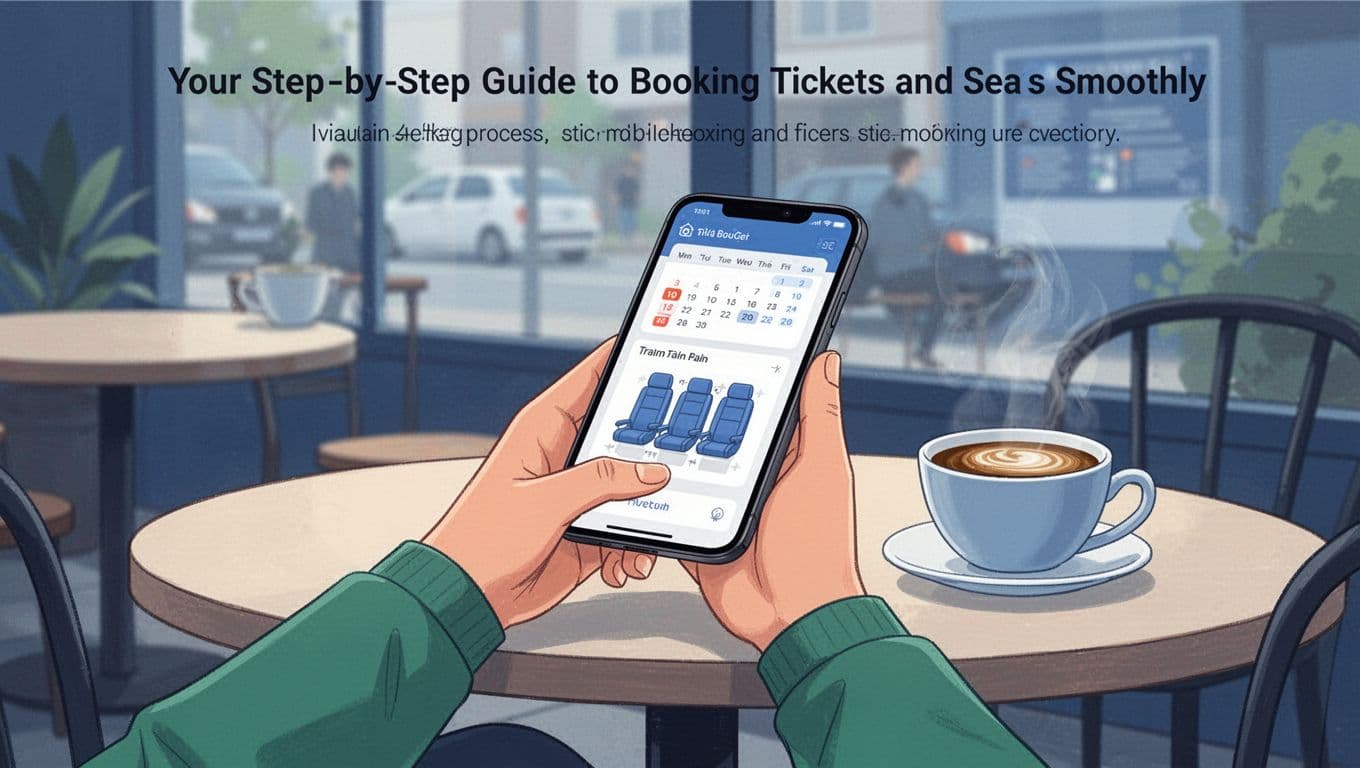
Booking train tickets and seats feels tricky at first. The good news is the process stays similar across countries, even when rules change. Once you learn the flow, you can book with confidence and avoid last-minute surprises.
First, you pick your route and travel date. Next, you choose the ticket type, then lock in (or confirm) your seat. Finally, you pay and keep your e-ticket ready, because gates and conductors expect it.
Timing Your Booking for Cheap Fares and Availability
Timing is where most of the money and stress hide. Book too late, and the cheapest fares disappear, and the seats you want get taken. Book early, and you usually get more schedule choices, better seat picks, and lower prices.
Here are the common advance windows to plan around:
- Amtrak (US): book up to 11 months ahead for best fares and more seat options.
- Europe (Eurostar, TGV): plans often open about 4 to 6 months out, but routes and seasons can shift.
- Japan (JR East Shinkansen): reservations often open about 1 month ahead for many seats.
- India (IRCTC): booking for about 120 days ahead is common for 2026 schedules (some train types may vary).
Off-peak travel also matters. On many networks, trains cost less on slower days and less busy times. You might even see more good seats, because fewer travelers chase the same departure.
Use this simple strategy: look at your target departure, then compare two or three nearby times. If the price gap is big, switch your departure earlier or later, even by an hour. It works like shopping for airline seats, but with more clarity about reservation status.
When you start booking, focus on the seat map timing cues. If the site shows limited remaining seats right away, assume high demand and lock in quickly. After all, seat availability can vanish faster than fare availability.
For a practical walkthrough of the Amtrak booking flow, see how to make an Amtrak reservation.
Bottom line: Early booking wins on both price and seat choice. If your trip date is flexible, also treat off-peak departures as a real budget tool.
Handling Changes, Cancellations, and E-Tickets
Changes and cancellations follow the ticket type you choose, not the train itself. That means you should check the fare rules during checkout, even if you think your plans are set.
Some trains charge a fee to change. Others allow free swaps for certain fare tiers or conditions. On the bright side, many popular operators now make it easier to manage updates in-app.
Here’s what “smooth” handling usually looks like across major networks:
- Amtrak: changes depend on your fare, and you typically manage everything with your e-ticket details.
- Europe (example: Eurostar): higher tiers can offer free changes under certain rules.
- Japan (SmartEX and related services): you often receive a QR or mobile ticket you can show at the gate.
- India (IRCTC): you manage updates through your booking and then watch the seat status tied to your PNR.
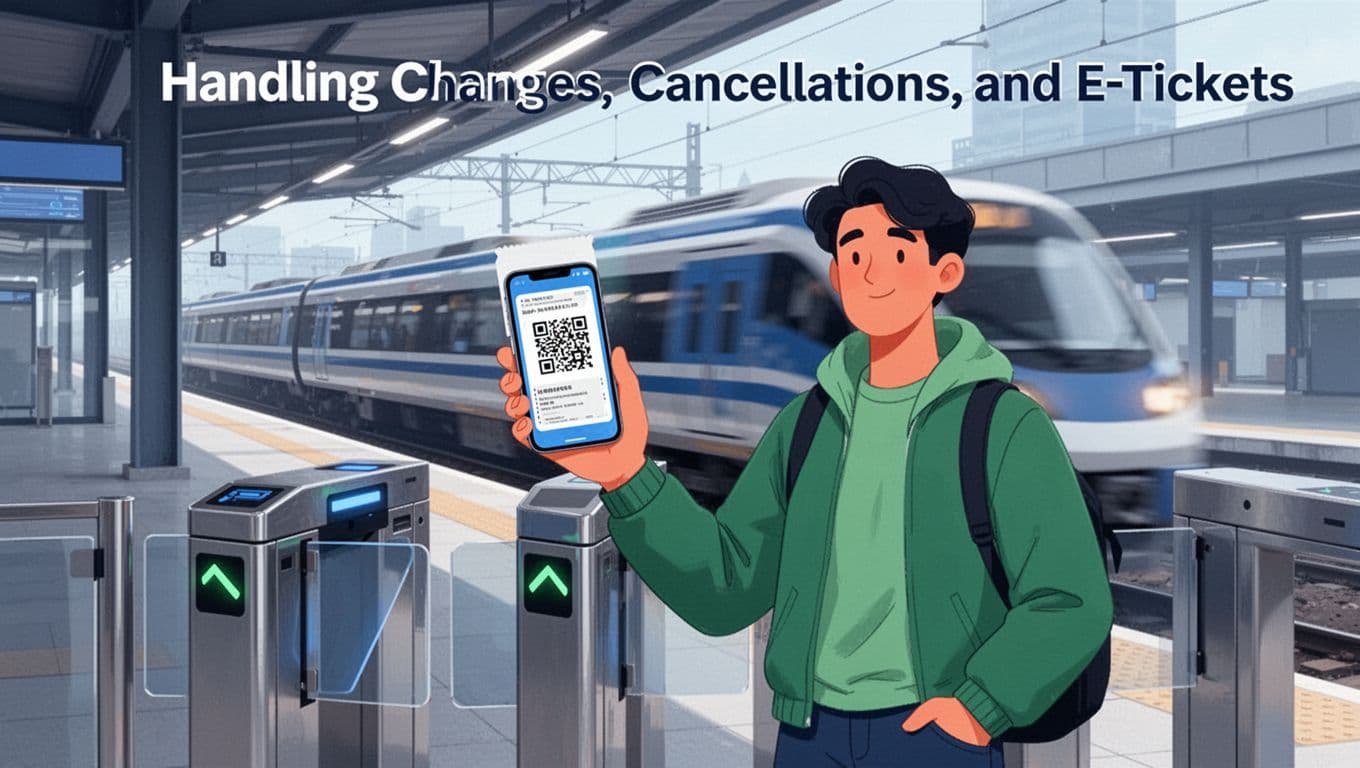
E-tickets are the key to the whole experience. After you pay, you get a confirmation you can access on your phone. Keep it offline or saved in your account, because Wi-Fi on platforms can be spotty.
At the station, expect one moment where everything clicks. You walk to the gate or staff checkpoint and show your ticket. For QR-based systems, have your screen ready before you reach the line, so scanning goes smoothly.
Also, treat cancellation rules like a contract. If your fare says non-refundable, don’t assume you can “just change it later.” In contrast, some routes allow fee-free changes but still require you to update within a time window.
If you want a seat-reservation-first guide for Japan’s online tools, check how to reserve Shinkansen tickets with Smart EX.
Finally, keep one habit: before you board, verify the exact train and date on your ticket. Then check whether your seat is reserved or non-reserved. That one glance can prevent the most common “I’m on the right train, but not the right seat” problem.
Top Tips to Save Money and Skip Train Travel Headaches
You can keep train trips wallet-friendly and low-stress. The trick is to treat seat rules like part of the price, not an annoying extra. When you do that, fewer surprises pop up at the platform.
First, you plan for the way trains actually sell seats. Some routes reserve your spot automatically. Others let you board without a guaranteed seat, which can feel like rolling dice when the train fills up. Next, you build habits that catch problems early, like checking reservation requirements before you hit “pay.”
Also, 2026 travel means more tickets live on your phone. That’s great for speed, yet it can make scams easier if you ignore official booking paths. So, stick to operator sites or trusted apps, then double-check your seat status before departure.

Book early in peak seasons, and think in “seat demand,” not just dates
Booking early matters most when departures sell out, not when tickets simply get more expensive. In peak periods, the cheapest fares disappear first, and the good seats follow quickly. So ask yourself, “Will I be okay standing, or do I need my seat locked?”
For money savings, these patterns show up again and again across networks:
- Amtrak: popular routes sell out, so booking as soon as you can usually helps. You can also check seat options inside the official flow.
- Europe (Eurostar, TGV): high-speed trains often require reservations, so early booking gives you more seat choices.
- Japan (Shinkansen): reserved seats cost less than the stress of searching for an opening on busy dates.
If you want a practical Amtrak strategy, start with a deal-focused guide like cheap Amtrak ticket tips at Upgraded Points. Then compare it to what the official site shows for your exact train.
Bottom line: early booking isn’t only about price. It’s about securing the reservation that makes the trip comfortable.
Use the right pass, but confirm which trains actually allow it (JR-style rules)
Passes can save serious money, especially for Japan. The JR Pass can be great when you ride multiple long-distance legs. Still, passes do not work on every train type the same way. So before you buy, confirm which services include your seat access.
Japan often gives you two flavors of comfort:
- Reserved seats: you lock in where you sit.
- Non-reserved cars: you pay less, but you accept risk on crowded days.
For the best planning move, map your itinerary first, then check whether your “must ride” trains allow pass coverage for your seat type. On peak days, reserved seats are often the calmer choice even when non-reserved looks tempting.
If you want a money-focused look at how the JR Pass works, use Japan Rail Pass savings overview to sanity-check which travelers benefit most. That way, you avoid buying a pass that doesn’t match how you actually travel.
Pick off-peak times and smarter train types to avoid “pay more for speed”
Speed usually costs more. So if your schedule allows it, choose slower trains that still get you there. For example, regional options in Europe can cost far less than high-speed rides, and you might gain seats that are easier to book.
In practice, off-peak saving usually comes from two things: fewer people want that departure, and fewer seats get snapped up fast. That combination can lower fares and make your reservation plan easier.
Here are simple, high-impact time swaps:
- Travel midweek instead of weekends when you can.
- Choose midday departures instead of morning and late evening.
- Shift your departure by an hour or two if the system pricing reacts to demand.
If you travel on a tight budget, treat it like meal planning. One small timing change can turn a pricey choice into a normal one.
Know how “full train” problems happen, and what to do before boarding
“What if the train is full?” is the question that saves you at the station. The answer depends on reservation rules.
Think of seat policies like a lock and key:
- If your seat is reserved, you have the key.
- If it’s non-reserved, you’re hoping someone left the door open.
That means your plan should differ by country:
- Non-reserved Shinkansen cars (Japan): these work best for short trips or off-peak days. On busy dates, expect stand-and-squeeze risk.
- Indian Railways (RAC and waitlist outcomes): “waitlist” usually means uncertainty. RAC often gives you board access with a shared seat, so it can be an acceptable starter if you’re not booking last minute.
You do not want to improvise when the train already left the gate. Instead, check your reservation status and seat outcome before you travel day. If you see a status that suggests risk, line up a backup train or time slot.
Use official sites and apps, and keep an eye on strikes or schedule changes
Scams and bad booking sites often show up when people search in a rush. So, book on the operator’s official path whenever possible. You’ll get the right reservation rules, correct seat assignments, and real change options.
Also, watch for schedule disruptions. Strikes do not happen constantly, but when they do, they can mess with the exact train you planned. Check updates close to travel day, especially for commuter-heavy lines and popular routes during holidays.
Finally, mobile tickets make things simpler, but you still need a habit: keep your ticket info ready offline and confirm the exact train and date before you board.
If you want a clean place to start for Amtrak reservations, use Amtrak Reservations info on Amtrakroutes.com. It’s a helpful reminder that “reserved” can mean different things depending on the train setup.
A quick “save money, avoid headaches” checklist for your next booking
When you’re ready to buy, run a short routine. It takes minutes, but it prevents hours of frustration later.
- Check whether the route requires a reservation (not just a ticket).
- Book early for peak seasons, then choose reserved seats when demand looks high.
- Compare off-peak times and, if possible, slower train options.
- If using a pass, verify which train types allow it (and for what seat access).
- For India, treat RAC vs waitlist like different worlds.
- Use official booking sites or official apps, then confirm your seat status.
Do these steps every time, and you’ll get the same win each trip: ride comfy and keep more money in your pocket.
Conclusion
Tickets get you on the train, and seat reservations tell you where you’ll sit. Most of the time, the strongest win comes from booking early, because demand and seat inventory tend to sell out fast.
Across networks, the rules vary, but the goal stays the same. In the US (like Amtrak), your fare choice affects how you manage changes and seat picks. In Europe (like Eurostar and TGV), reservations are usually built in, so you can plan your seat sooner. In Japan (Shinkansen), reserved seats remove stress, while non-reserved options save money but can get tight. In India (IRCTC), your seat outcome matters (confirmed, RAC, waitlist), so you need to track your status.
Next time you plan a trip, use what you learned before you tap “pay.” Check whether your ride needs a reservation, then match the ticket type to your comfort level and travel date. If you use a pass, confirm which trains and seat types it covers. Also, keep your e-ticket and seat info ready for the station.
What seat rule has surprised you most on your last train ride, and which route did you book through? Share your experience in the comments, then subscribe for more practical travel hacks you can use right away. Trains stay one of the most fun, affordable ways to travel, especially when you know what’s guaranteed.