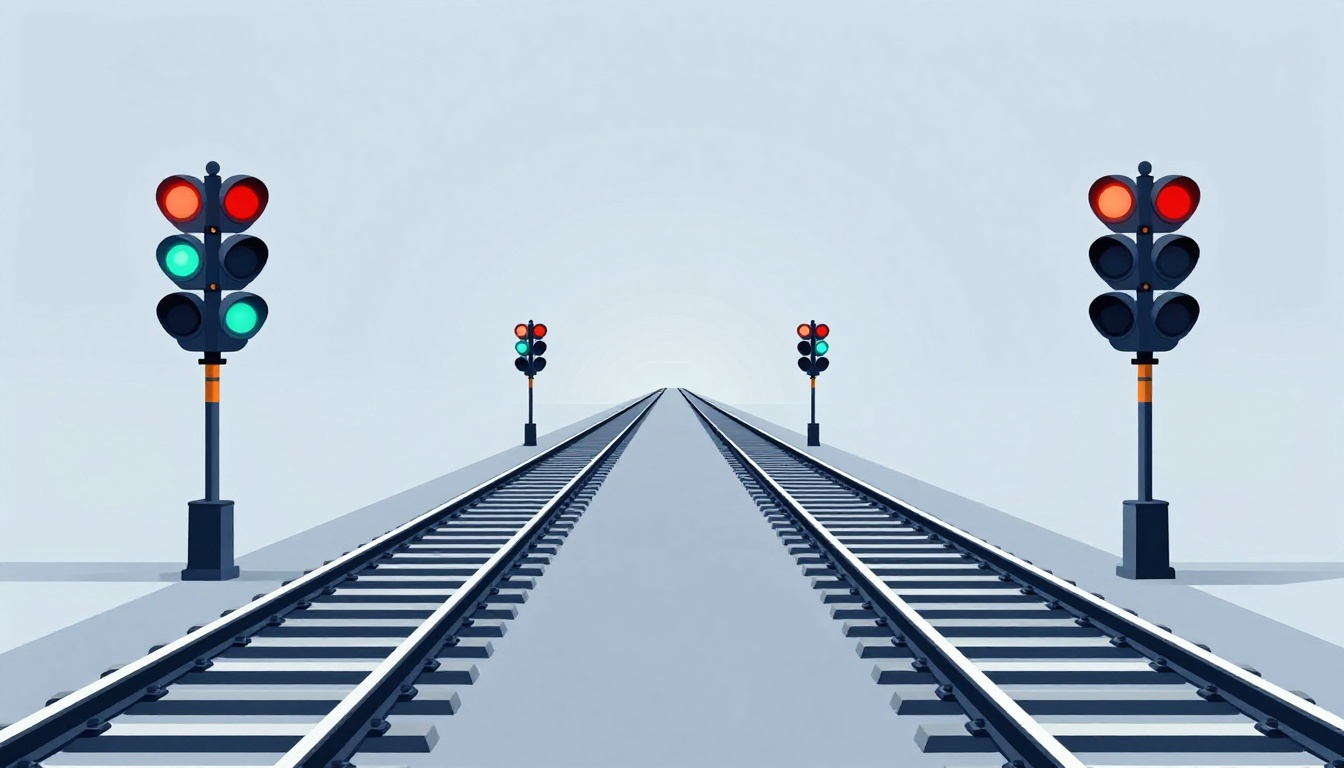
Train signals and track systems act like a two-part conversation. The tracks tell signals where a train is. Then the signals tell the train what it can safely do next.
You can think of it like traffic lights and roads for giant vehicles that need a long distance to stop. A signal can only stay safe if the track data is trustworthy. And the track data only works if the signaling rules are strict and fail-safe.
Because U.S. rail traffic keeps growing and planners push faster, busier schedules, this teamwork matters even more. In today’s world, modern tech like PTC adds another layer of protection on top.
Next, you’ll see how track circuits detect trains, how block rules create safe gaps, and how different signal types communicate speed and route. Then you’ll see why interlocking and cab systems turn those messages into real protection.
How Tracks Sense Trains: The Role of Track Circuits
A train can’t “announce itself” to the railroad by text message. Instead, the system uses a simple idea: wheels make an electrical connection.
A track circuit sends low-voltage electricity through the rails in a specific section of track. When there’s no train, the circuit stays complete. When a train enters, the wheels and axles connect the two rails, which “shorts” the circuit. That change tells the signal system, “A train is here.”
Then the signaling equipment reacts. It can show stop aspects to protect the occupied section. It can also keep routes locked until the train leaves. In other words, the track circuit gives signals a real-time feed, not a guess.
If you want a clear visual explanation, track circuits explained by Network Rail breaks down the basic method and why it fits safety needs.
One reason track circuits work so well is fail-safe design. If power fails, many systems default to the safest state, often red. That way, the railroad does not “assume clear track” during an outage.
Still, the system isn’t magic. Track circuits depend on good electrical contact, and rails can get dirty. Rust, track coatings, leaves, and debris can affect how well current flows. Crews must treat those risks seriously, especially after storms or seasonal mess.
That’s also why railroads keep inspection routines tight. Track circuits can detect trains fast, but humans still maintain the rails that make detection possible.
Blocks: Dividing Tracks for Safe Gaps Between Trains
Track circuits tell signals where a train is. Blocks decide what that location means for spacing.
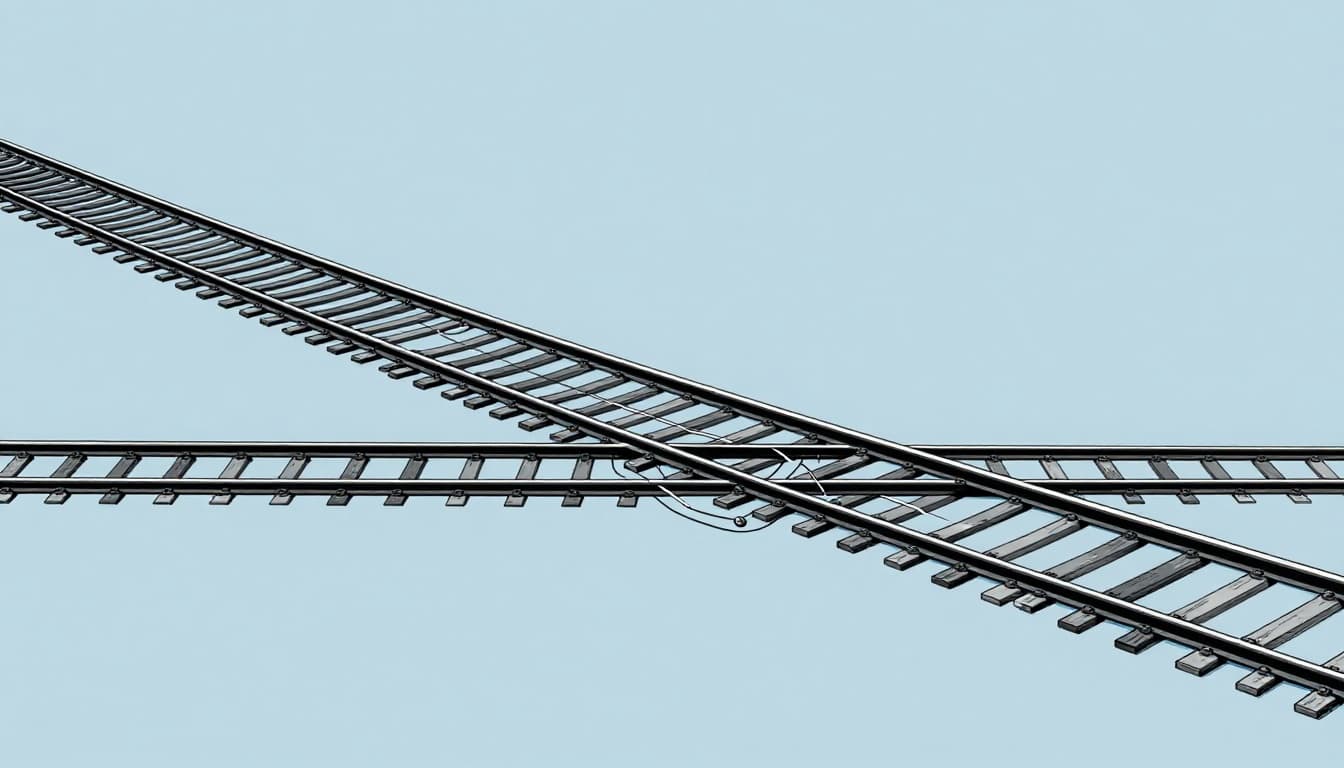
A block is a fixed length of track treated as a safety “zone.” The rule is simple: only one train should occupy a block at a time, or at least, the system must prevent a conflicting move.
Why does that matter? Because trains need time and distance to stop. Railroads size blocks using braking performance, plus safety margins. In practice, blocks can be over a mile long in many areas, depending on speed and train types.
When a train shorts the circuit inside a block, the block becomes occupied. Then the next signals down the line usually shift to restrictive aspects. That creates a safe gap between trains even if a crew misses something, or even if weather and track conditions change.
Blocks also help with complex operations. At switches, yards, and interlockings, the block boundaries and signal rules coordinate movements. So trains don’t just avoid collisions, they also avoid wrong-way routing into areas that can’t handle the move.
Here’s the quiet benefit most riders never notice: blocks turn “possible danger” into “measured boundaries.” The railroad isn’t relying on one perfect human call. Instead, it’s using physics, timing, and rules.
Cracking the Code of Train Signals: Colors and What They Mean
Signals are the spoken language between the track system and the train. They tell the engineer whether they can proceed, slow down, or stop.
Most railroads use a combination of color aspects and patterns. A common baseline looks like this:
| Signal aspect | Typical meaning | What the crew must do |
|---|---|---|
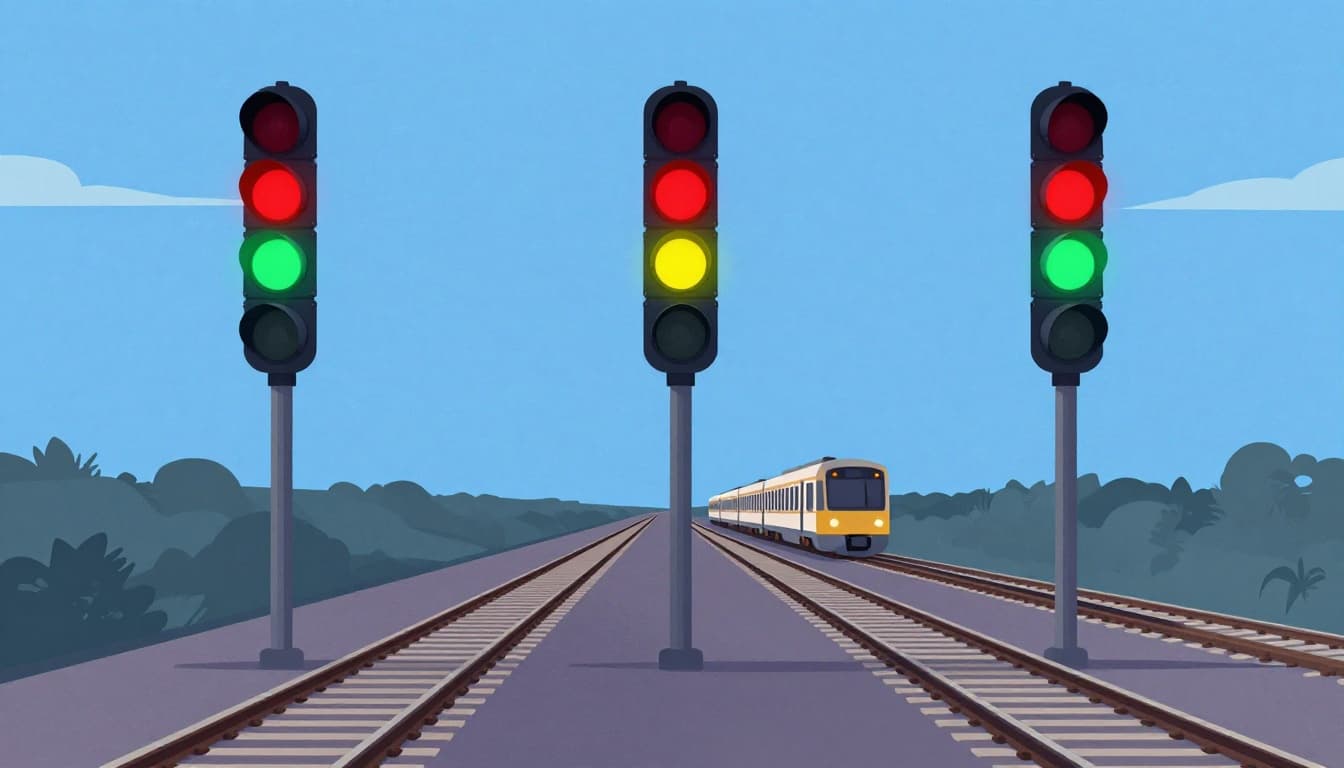
| Red | Stop, do not enter the block | Bring the train to a stop before the signal |
| Yellow | Prepare to stop, next aspect restrictive | Reduce speed and be ready to stop short of danger |
| Green | Proceed with permission | Continue, still following any speed limits |
In many U.S. signal systems, yellow may also imply a speed reduction plan. Some rules tie additional indications to speed ranges, like a higher speed when the route ahead is straight, and a lower speed for turnouts or curves.
That’s where the “code” feeling comes from. The same color can carry more detail depending on placement, context, and the exact signaling scheme. Still, the overall logic holds: red protects, yellow warns, green authorizes.
Visibility drives design. Signals must stay readable in fog, snow, and heavy rain. That’s one reason modern color light signals dominate today. Light output, lens designs, and mounting choices aim to keep the aspect clear at distance.
If you want background on how North American railroad signals are typically grouped, North American railroad signals on Wikipedia gives a helpful overview of signal types and aspect ideas.
Color Light Signals: Modern Lights Guiding Trains Day and Night
Color light signals use lamps and optics to display red, yellow, and green. Each signal head acts like a traffic light, but with rail-specific rules and placement.
These signals often use multiple heads on one mast. The top head might govern the main route, while additional heads support turnouts or other routes. Meanwhile, auxiliary signals can show more detailed movement instructions depending on how the yard or main line is set up.
Because color light signals rely on electricity and optics, they also connect well with track circuits and interlocking systems. The control system only displays a clear aspect if the route is safe and the relevant conditions check out.
That matters in changing weather. Fog can scatter light, so signal brightness and lens design help keep the aspect distinct. In addition, maintenance matters. Burned bulbs, misalignment, or water intrusion can turn a clear aspect into a confusing one. Railroads handle that with inspection and replacement routines.
Semaphore Signals: Traditional Arms That Still Wave in Some Spots
Semaphore signals use mechanical arms. They show movement authority by arm position instead of electric lamp colors.
On posts, an arm that’s horizontal often means stop. An arm raised to a specific angle can indicate proceed or caution, depending on local rules. In some cases, multiple arms represent different route permissions.
Semaphore signals still show up on some heritage lines and older areas. They also serve as a reminder of how railroads once did safety with hardware and positioning. The good news is that mechanical signals can be reliable when maintained.
The drawback is that the system depends on physical motion, which can get slower to convey complex route details. Also, modern operations push toward speed and consistency at scale, so railroads often upgrade to color light signals in higher traffic areas.
Even so, the semaphore idea still fits today’s safety logic. The railroad needs a visible warning point. It needs a strict stop rule. And it needs consistency along the route.
Interlocking: Locking Switches So Trains Cannot Go Astray
A train rarely moves through track like a straight arrow. It passes turnouts, crossovers, and routes that require switches. If a switch moved while a train was going through, the consequences could be severe.
That’s where interlocking steps in.
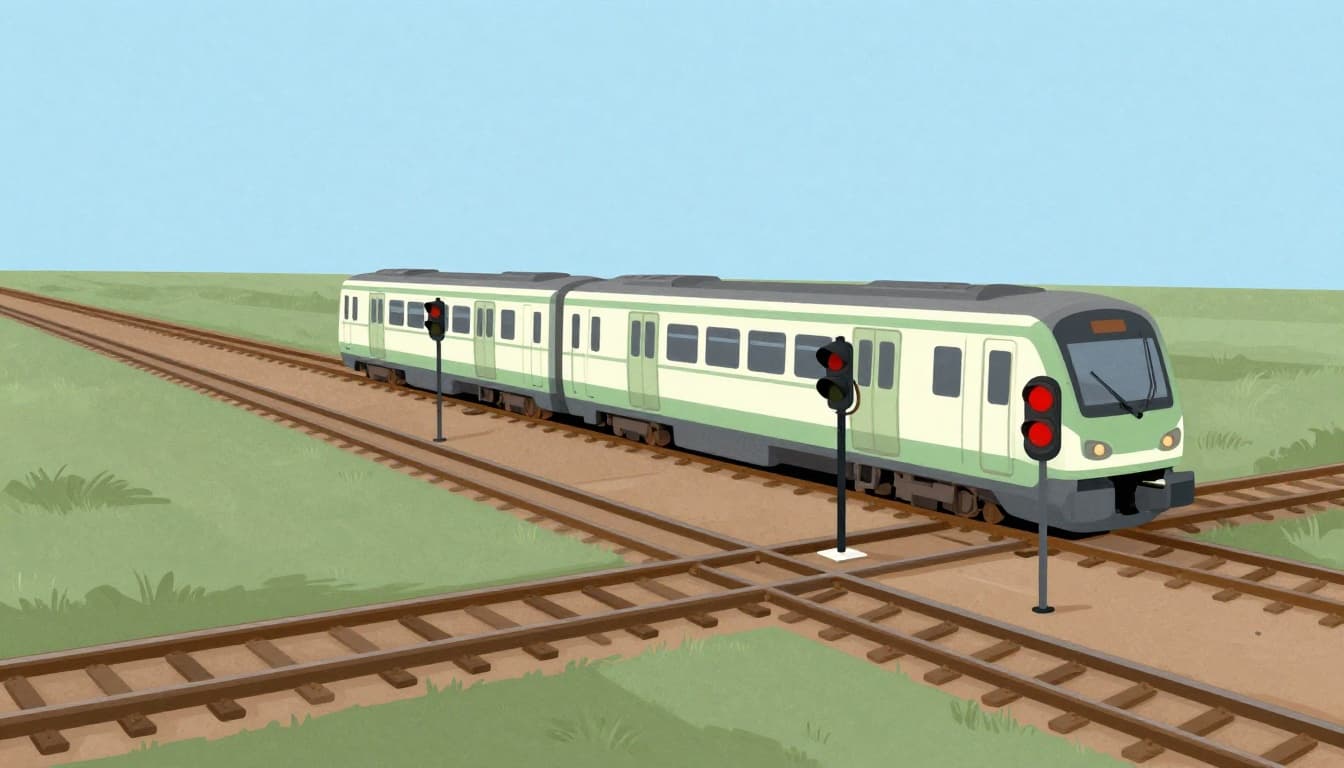
Interlocking ties signals to switch positions. It checks that the route is lined correctly and locked before it clears signals that allow movement. It also keeps conflicting routes locked out. That prevents two trains from being routed into the same protected path.
Track circuits and switch detection work together here. The system doesn’t just assume the lever moved the right way. It relies on confirmations from the track-side equipment. Only then can signals show a proceed aspect.
Interlocking also supports emergency actions. Some systems use “shorting” devices or emergency mechanisms that can force restrictive signal indications when something looks wrong. The key theme is fail-safe behavior. When controls can’t prove safety, the system should stop the movement.
You can see how modern interlocking gets described in vendor overviews, including Stadler’s page on interlockings. The industry approach is consistent: route control and signal authority must move together.
Signals Right in the Cab: No Excuses for Missing Warnings
Out on the track, signals are visible. In the cab, the crew still has a job: read, decide, and respond.
Cab signaling reduces the risk that a signal aspect gets missed due to fog, glare, fatigue, or distraction. Instead of relying only on trackside lights, the system shows speed and track status inside the train.
Depending on the system, cab displays can present speed limits, route permissions, and braking requirements. Some setups also include alarms, automatic reminders, and enforcement. If a crew ignores a restriction, the system can trigger braking.
This matters because rail safety improvements now come from layers, not one trick. Track circuits detect trains. Blocks control spacing. Signals communicate permission. Interlocking ensures routes stay locked. Cab systems make sure the crew receives the warning in the place that matters most: at the controls.
In the background, the U.S. safety picture shows why that layering matters. FRA data reports that U.S. freight rail hit record lows in 2025. Accidents dropped 14% from 2024, derailments fell 13.6%, and human-error accidents plunged 19.7%.
Those trends don’t come from one component alone. Still, systems that reduce human error and prevent overspeed moves have strong value.
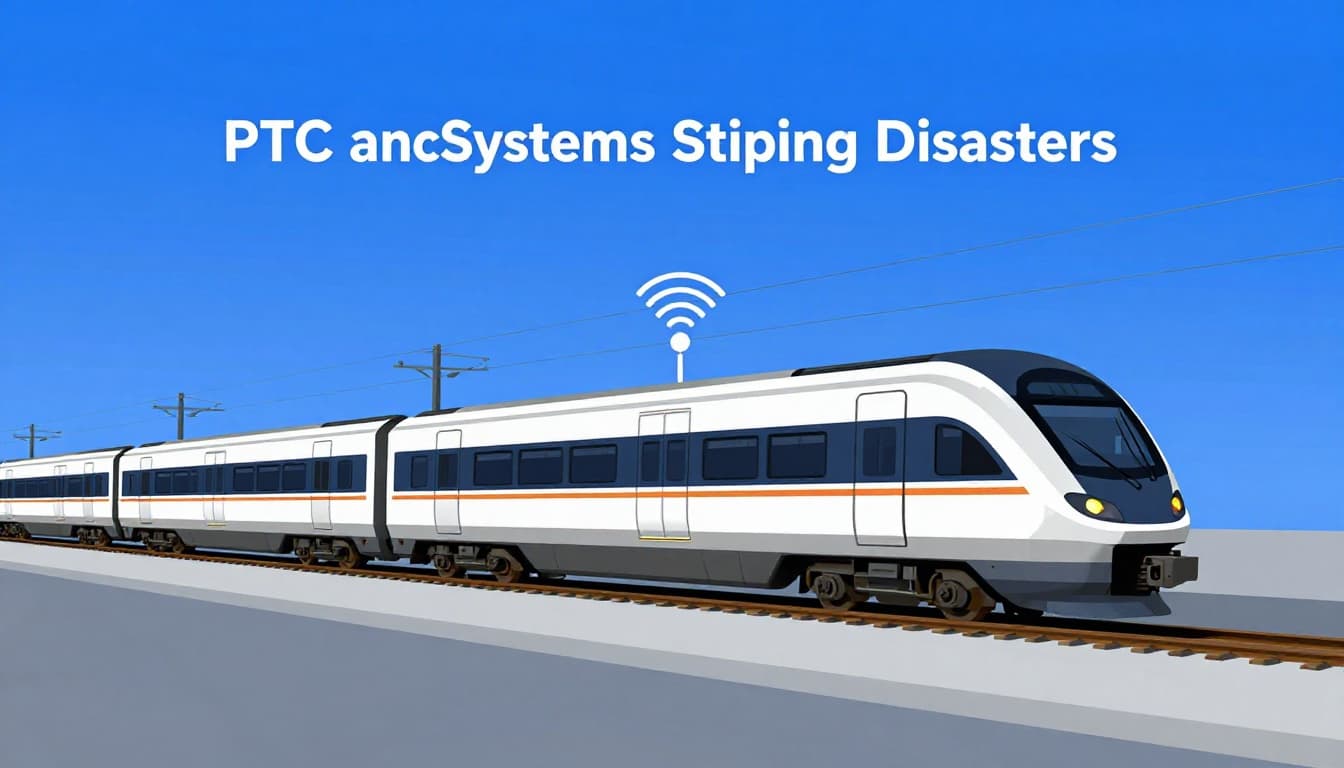
PTC and ETCS: Smart Systems Stopping Disasters Before They Start
Track circuits, blocks, and signals form a safety net. Positive Train Control (PTC) adds a second safety net that can intervene even when the crew does the wrong thing.
In the U.S., PTC is designed to prevent:
- train-to-train collisions
- overspeed derailments
- incursions into work zones
- movements through switches left wrong
FRA describes PTC as a system that uses GPS, onboard computers, and communications to enforce speed and route rules. You can read the basics directly from Positive Train Control (PTC) on the FRA site.
The rollout history also supports the purpose. FRA notes PTC in operation across 57,536 miles as of December 29, 2020. PTC targets high-risk corridors, not every single track mile in the country, but it covers a lot of real traffic.
PTC enforcement can trigger braking when the train approaches a situation that violates safe limits. That means the system doesn’t just display warnings. It can act.
Europe uses a related approach under ETCS (European Train Control System). ETCS can also use GPS or balises, plus radio communication and onboard logic, to control speed and movement permissions. ETCS supports both traditional and moving-block style operations in different configurations.
Meanwhile, rail operators in 2026 keep running tests and upgrades. For example, the industry continues to report milestones for ETCS implementation on high-speed corridors, like SNCF completing milestone ETCS tests on Paris–Lyon.
2026 Innovations: Closer Trains and Smarter Rails
Safety systems keep improving, but railroads usually move in steady steps, not sudden leaps.
One trend is moving-block style protection. Instead of fixed blocks, moving-block logic can adjust safe separation based on real-time train locations. That can improve capacity, because it allows tighter spacing when conditions allow it.
In 2026, rail tech also aims at better fault prediction. Sensors and onboard diagnostics can flag issues earlier, like brake wear, wheel problems, or track circuit anomalies. That helps reduce delays and also supports safety maintenance.
Meanwhile, high-speed growth in the U.S. still faces budget and schedule pressure. Realtime reporting for 2026 notes that no big U.S. high-speed lines are running right now. It also highlights budget changes affecting planned projects, including Amtrak’s Texas effort.
Even so, the technology spirit travels well. When railroads modernize corridors, cab signaling, PTC-like enforcement, and trackside upgrades often move together. The system’s “conversation” keeps getting smarter.
And in test programs across the world, driver assistance and automation trials continue. The goal stays the same: reduce conflict, enforce speed rules, and prevent wrong routing.
Step by Step: The Dance of Signals and Tracks in Action
When everything works, it looks smooth from the outside. Inside the system, it’s a tight cycle.
Here’s a typical flow, simplified but accurate to the layered safety idea:
- A train enters a block, and its wheels short the track circuit.
- The occupied block signal state updates. Ahead signals show restrictive aspects.
- Interlocking confirms the route. Switches stay locked until the correct path is safe.
- Cab signaling displays limits and may enforce braking if rules get violated.
- The train exits the block, the track circuit clears.
- Signals can return toward normal operation only when the next safety checks pass.
The important part is that each layer depends on safe evidence. Track circuits detect trains. Blocks create separation. Signals show authority based on those conditions. Interlocking locks routes so signals do not lie. Cab systems help crews respond fast. PTC and ETCS can enforce the rules when humans get it wrong.
That’s why rail safety feels so strict. It’s not about one hard rule. It’s about layered proof.
Conclusion: The Safety Net Behind Every Quiet Rail Ride
At the heart of rail safety is teamwork. Track circuits detect trains, blocks enforce safe gaps, signals communicate permissions, and interlocking keeps switches from changing at the wrong time.
On top of that, cab systems and PTC-like enforcement add protection when conditions get tough. The result is a safety pattern that keeps improving, even as railroads move faster and run more service.
Next time you watch a train at a crossing, don’t just look at the train. Look at the signals you can’t fully “see,” and remember the safety logic behind them.
What detail in a rail signal or cab display would you want to understand first?