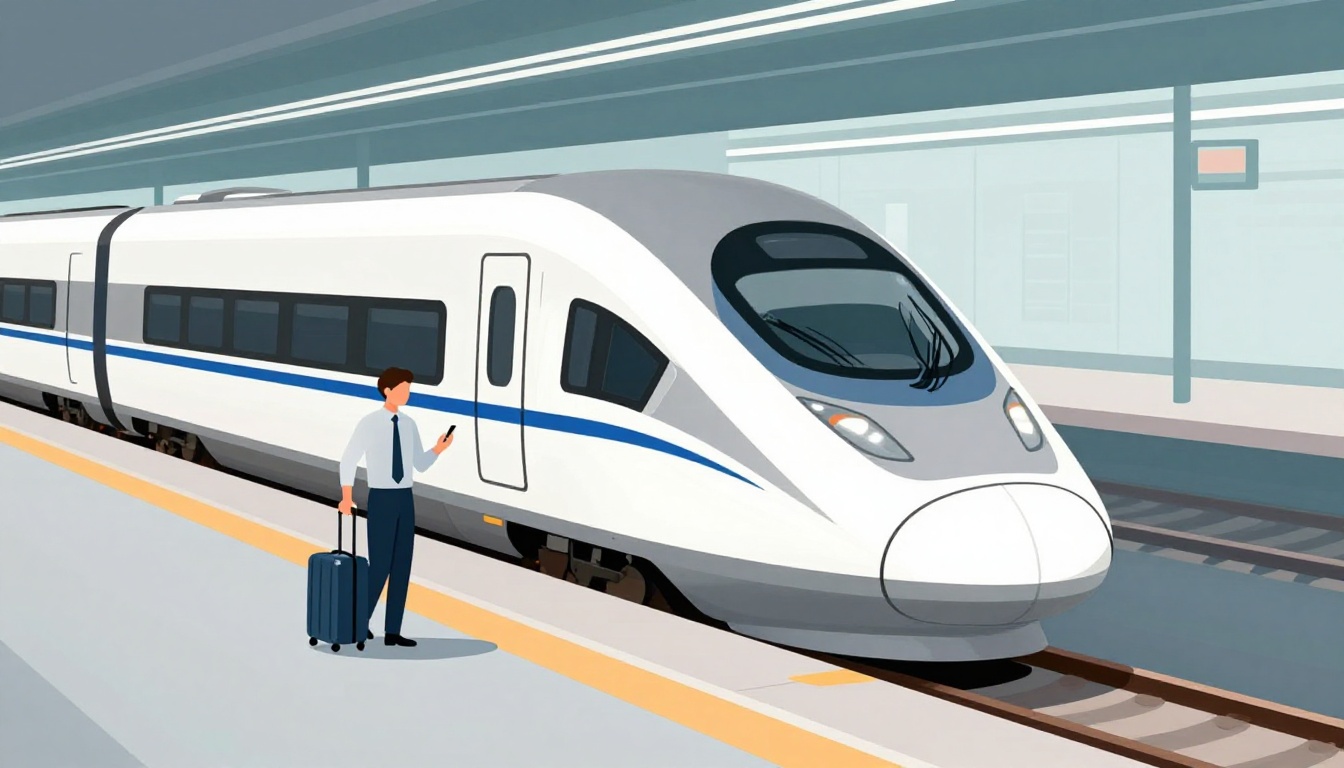
Train travel feels easy at first. Then a simple mistake hits, and suddenly you’re sprinting with your suitcase. In 2026, more riders are jumping on scenic Amtrak routes and Europe’s high-speed lines. That’s great for views, but it also means stricter ticket checks and less room to spread out.
If you’ve ever missed a connection because a platform changed, you already know the feeling. People are also reporting more seat and reservation mix-ups, especially on busy trips. The good news is you can prevent most problems with small habits.
Keep reading for the fixes, starting with booking errors, then moving to station goofs, onboard etiquette, and luggage mistakes.
Booking Errors That Cost You Time and Money
Booking can turn into a puzzle if you rush. In 2026, trains are filling faster, and prices often rise as seats run out. Amtrak saw ridership grow 4.7% in early FY26, which helps explain the tighter availability. Meanwhile, popular European routes still expect advance reservations on many faster and sleeper services.
Start with this mindset: slow down before you click “confirm.” Even one wrong detail can create a chain reaction.
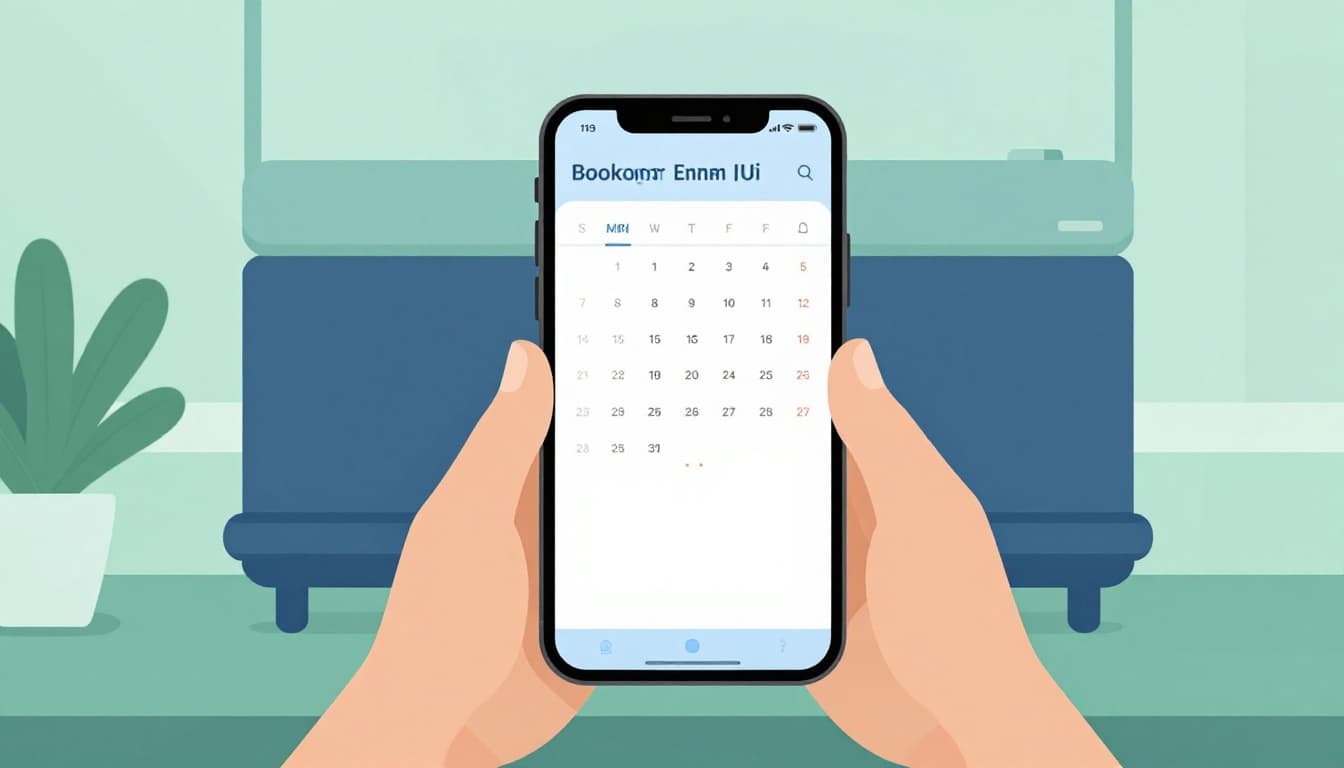
For Amtrak trips, double-check details using Amtrak’s tips for booking your trip so you don’t catch issues at the station.
Picking the Wrong Seat or Time
Seat choice sounds minor, until your stomach disagrees. If you’re motion-sensitive, backward-facing seats can cause nausea. Also, some times are just busier because everyone arrives from work and school.
Here’s the practical way to choose:
- Pick forward-facing seats if you get motion sickness. For long-distance cars, that one choice can save the whole day.
- Try mid-train when you can. Trains often feel steadier closer to the center.
- Avoid peak departure windows when you want quiet. Off-peak can mean fewer crowds and easier boarding.
- Book early for popular days. In 2026, demand is strong on long-distance routes like the California Zephyr.
Also, pay attention to timing, not just the date. If you choose an arrival time that overlaps your transfer rush, you’ll feel stressed before you even board.
Think of seat choice like picking your seat on a boat. The view matters, but so does where the waves hit.
Rail Pass and Reservation Oversights
Rail passes can be a deal, but they’re not a free-for-all. On many European high-speed and sleeper trains, your pass covers the ride, while seat reservations are separate (and often required). Missing that step can mean you can’t sit where you expect, or you might get blocked from boarding.
In 2026, Eurail passes still work like before, with seat reservations needed for many popular trains. Eurail also introduced Eurail Plus (beta), which can cover reservation costs on many trains. That can help if you’re doing multiple high-speed jumps.
Before you buy anything, confirm two things:
- Do reservations apply to your exact train number? “Same city” is not the same service.
- Activate the pass on time if your plan uses travel-day rules.
If you want a simple buying workflow, how to buy European train tickets is helpful for understanding what changes by country and operator.
When prices surge, it’s usually because seats are limited. Reservations are often the gate that controls the whole trip.
Station and Platform Surprises That Leave You Stranded
Stations love surprises. Sometimes it’s the layout, sometimes it’s the schedule board. In 2026, more riders means more last-minute crowd flow, and that increases the odds you board the wrong unit.
The biggest mistake is trusting the platform you saw earlier. Another common issue is boarding by city name only, not by the exact train you booked. Europe can be especially tricky because several services may run through the same city with different routes.
And then there’s validation. If your ticket needs stamping or confirming, skipping it can lead to fines.
Platform changes happen close to departure, so keep your eyes on the board until you step onto the train.
Last-Minute Platform Switches
Platform switches can feel like a prank when you’re traveling as a tourist. You might be sure you’re in the right place, then the board updates and everyone rushes.
To avoid that scramble, do three things:
- Stay close to the gate area when it gets within 30 to 15 minutes of departure.
- Listen for announcements, even if you think you already heard them.
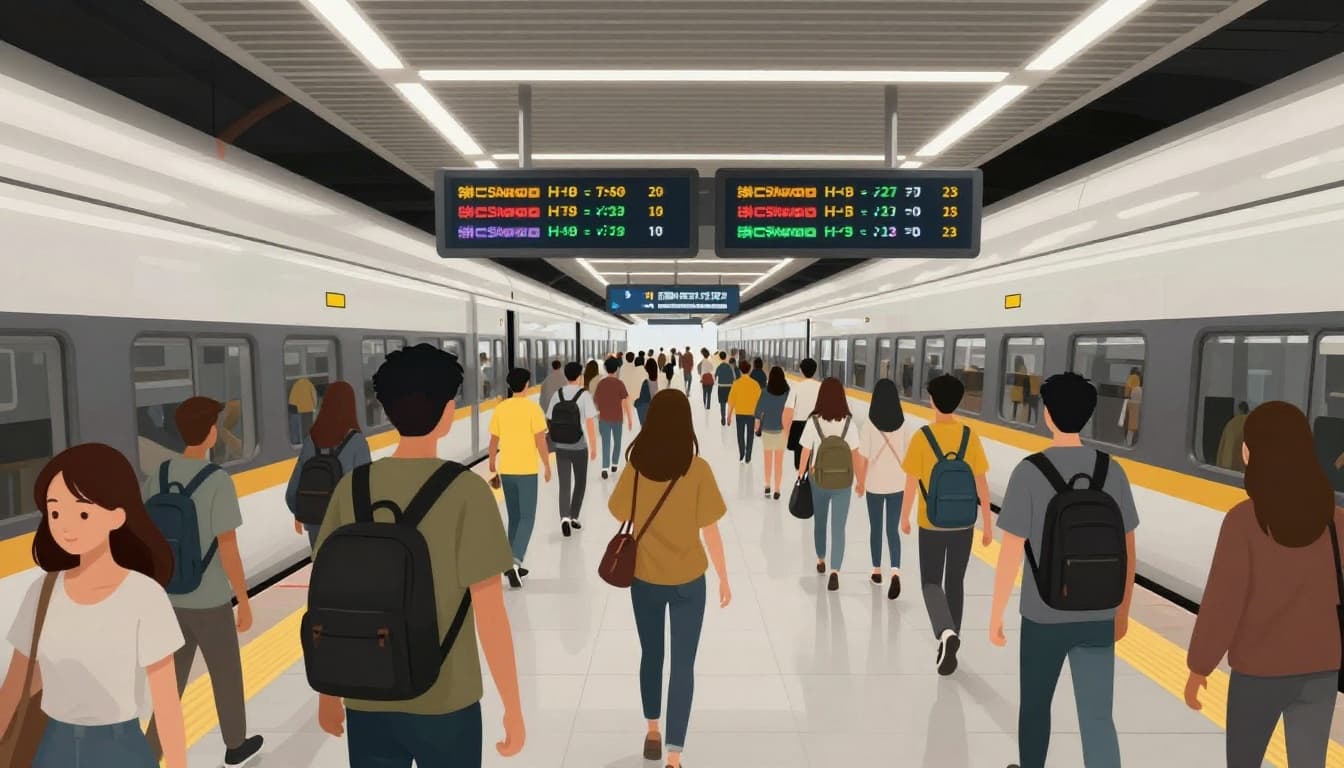
- Watch the digital boards for the train number, not just the destination.
If you’re near an info desk, ask a quick question. You don’t need a long conversation. A simple “Which platform is for train number X?” can save you a run.
On Amtrak in the US, the station app and real-time alerts can also help. Many riders check their phone minutes before boarding, and for good reason.
Unvalidated Tickets and Wrong Trains
Validation rules vary. Still, the mistake is consistent: you assume the ticket is “done” once you buy it.
In Europe, some paper tickets require validation (or they require the correct confirmation method). If you board without doing it, you can face penalties when a conductor checks your ticket.
Also, match the exact train number. If your plan lists “Train A to City B,” don’t swap it for a different service that also stops at City B. That mix-up often happens during transfer moments.
Here’s a quick, low-stress habit: take 10 seconds at the platform and compare three items:
- Your ticket’s train number
- The board’s platform listing
- The car assignment if it’s shown
In recent years, rail systems in Europe have been moving toward better passenger info and ticketing interoperability, driven by rail standards and shared tech. For context on the bigger shift, see the European Union Agency for Railways update on telematics and data sharing.
That doesn’t change your job at the station, but it does help explain why checks and info systems can feel tighter.
Onboard Etiquette Fails That Annoy Everyone
Space on a train is limited. That’s true in the US and Europe. So, when you hog space or act loud, it hits fast. In 2026, with ridership rising, those annoyances can feel bigger because the car is packed.
The best onboard rule is simple: assume everyone else wants their trip to feel calm.
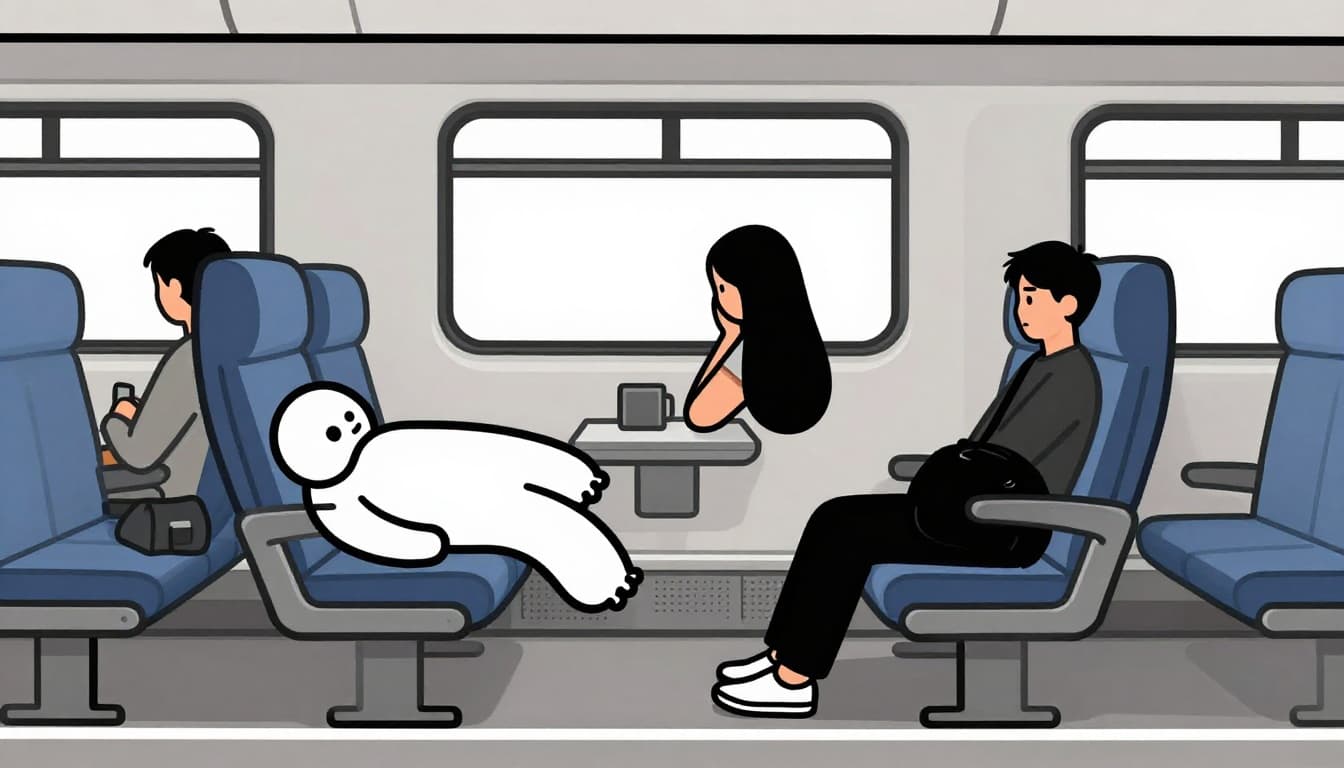
If you want real-world etiquette tips, unwritten Amtrak etiquette rules can help you avoid common friction points.
Hogging Seats and Space
Your bag might feel small to you, but it can become a blocker for someone else. A frequent mistake is placing a bag on an empty seat. Another is leaving luggage in the aisle while you chat.
Instead:
- Use overhead racks when you have them. If the rack is full, switch tactics early.
- Keep bags at your feet or under the seat when that setup exists.
- Avoid “sharing” a seat with a suitcase. That’s still a seat.
For overnight or longer rides, lock in your plan early. Put items where you can reach them without turning it into a moving obstacle course.
Noisy or Disruptive Behavior
Trains have narrow halls and shared air. That means sound travels.
Try these quiet-trip moves:
- Use headphones for calls and audio. If you must talk, step to the end of the car.
- Keep phone conversations short and low. Crowds make loud calls feel rude fast.
- Don’t block doorways between cars. People need to pass, especially at stops.
If you’re unsure about quiet zones, follow posted signs. When in doubt, treat shared space like a library, not a lounge.
Luggage and Comfort Mistakes That Ruin the Ride
Packing problems are usually logistics problems. Overstuffed bags make it hard to move. Misplaced items waste time. Then you end up hunting for basics while the train keeps moving.
Comfort issues show up too. If your plan depends on Wi-Fi that doesn’t work, you’ll get bored in the worst moment.
Amtrak has clear baggage rules, and you should check them for your exact route. For a quick starting point, review Amtrak baggage rules.
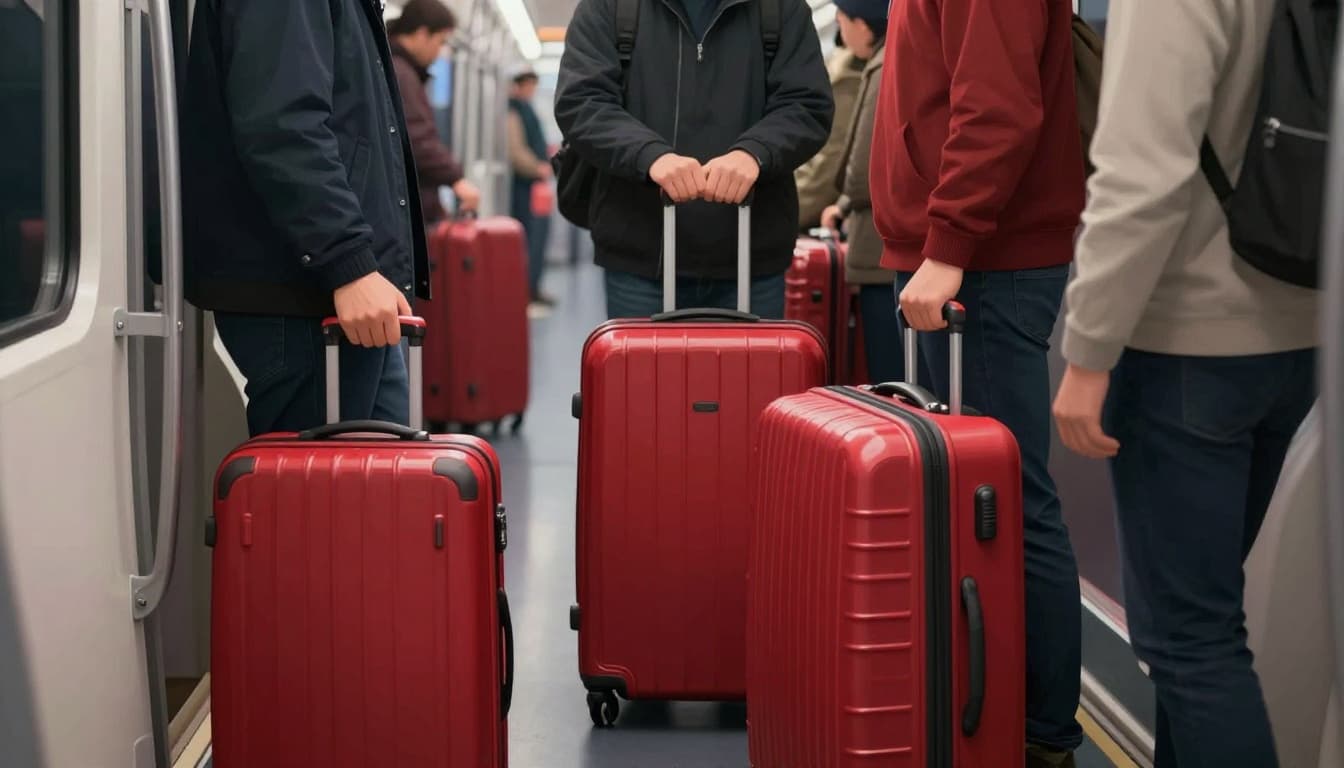
Overpacking and Bad Bag Placement
Overpacking is like bringing too much food to a camping trip. It feels safe at home, then becomes a burden everywhere else.
Common mistakes include:
- Suitcases that don’t fit racks or seat spaces
- Soft bags that slump into the aisle
- Packing heavy items on top so you struggle every time you need something
The easiest fix is to pack for what you’ll actually use. Then test your bag once you’re seated. If you can’t reach your essentials without moving it 10 times, downsize.
Bad placement is a close second. If your bag blocks the aisle, you’ll get stuck waiting for others to move. That slows the whole car.
Forgetting Comfort Essentials
Comfort is not a luxury on a long train ride. It’s your ability to enjoy the trip.
Most riders regret one of these:
- No backup entertainment when Wi-Fi is weak
- No neck support after hours of sitting
- Skipping a small snack plan for quick stops
A smart routine is simple. Pack one travel pillow or neck support. Add offline media, too. Download episodes or music before you board.
Also, watch your stop alerts. Quick mistakes like sleeping through your station can ruin your schedule. If you’re traveling for scenery, you need your eyes ready, not your phone in panic mode.
Bonus Tips for Stress-Free Train Trips in 2026
Train travel in 2026 is popular. Amtrak’s scenic routes are drawing more riders, with Amtrak Vacations showing strong growth. That means more crowds, more sold-out popular dates, and more reason to plan like you want to relax.
Here are a few smart habits that help almost every trip:
- Don’t split up from your group. It turns simple boarding into a scavenger hunt.
- Take a quick photo of your car and seat info. When you return later, it’s faster to confirm.
- Choose middle seats if possible. Many riders feel less sway there.
If you like a quick reference, use this seat guide as a starting point:
| Seat choice | Best for | Watch out for |
|---|---|---|
| Forward-facing | Motion-sensitive riders | Still pack small meds if needed |
| Mid-train | Less noticeable sway | Can feel busier near service zones |
| Window seats | Scenic travelers | Leg room can feel tighter |
One more tip: keep your bag plan simple. If you can grab it without moving half the aisle, you’re doing it right.

Conclusion
Train travel feels magical when everything lines up. The stress usually comes from a few repeat mistakes: booking details, platform confusion, seat and space choices, and rough packing.
If you remember only one thing, make it this: check the train number and confirm your reservation details before you leave home. Then watch the board until boarding time. Finally, protect your space and your comfort.
Now that 2026 trains are busier, you’ll enjoy the ride more if you plan for crowds. Next time you board, trade last-minute panic for a calm start.
What train mistake do you want to avoid on your next trip? Share it and make your next ride smoother.