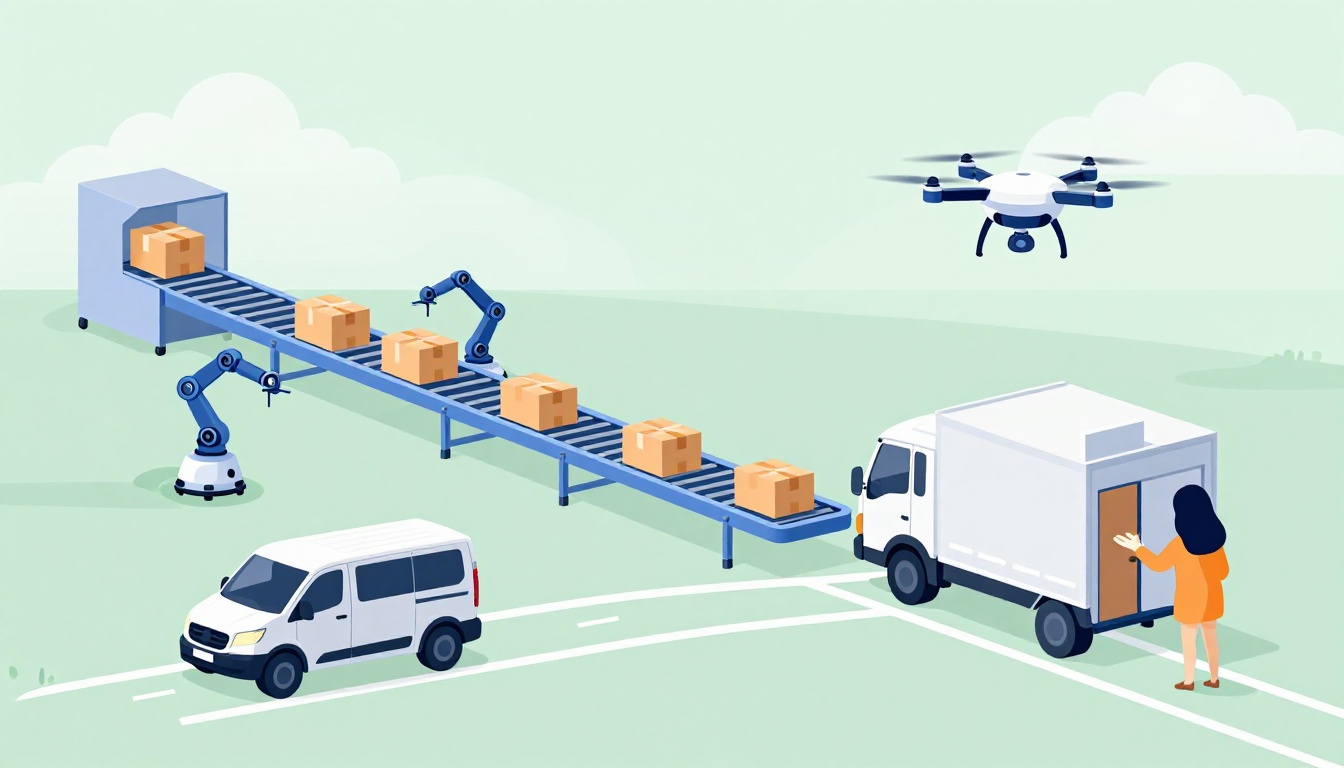
You click “Buy Now,” then the box shows up faster than your brain can plan. How does that happen, from seller to buyer, across states and time zones?
In 2026, delivery systems run on speed plus planning. Big carriers like UPS, FedEx, and USPS move millions of parcels daily, while e-commerce sellers like Amazon coordinate picking, packing, and routing. As a result, packages flow through warehouses, sorting hubs, and local stops until a driver (or a locker) delivers the final handoff.
Still, the journey is more than trucks and barcodes. AI helps decide what ships where. Robots help pack and sort. Fleets shift toward electric vehicles. Even drones and delivery bots show up in certain areas.
If you’ve ever wondered what happens between your order and that happy knock, keep reading. You’ll see the steps in plain language, with the tech that powers each stage.
The Spark: What Happens the Second You Click Buy
Your order starts as data, not a box. The moment you pay, the seller checks inventory and routing options. Then the system tries to match your order to the best location that can ship it fast.
Most of the time, you won’t wait for a “mystery warehouse” to find your item. Instead, AI and inventory tools pick the nearest warehouse (or the right one) based on stock, order volume, and delivery promise. In larger networks, that can mean a micro-fulfillment center close to where you live. Think of it like a smaller “storehouse” built for quick picks.
Next comes picking and packing. Items move from shelves to a packing station. Some facilities use robots to pull products or deliver bins. Other spots use humans guided by scanners. Either way, the goal stays the same: pick the right item, at the right time, without mix-ups.
From there, barcodes get scanned at multiple points. When the system reads a code, it updates the order status right away. Also, it reduces delays, because inventory counts stay accurate. If an item sells out in one location, the system can reroute quickly to another facility.
Packaging isn’t just about protection. It’s also about efficiency. Packing stations group items, choose box sizes, and add labels that match the carrier’s requirements. Many sites run conveyor belts and automated sorting lines so packed boxes don’t sit around waiting for the next step.
If you want an example of how automation supports this part, see how Amazon-style robotic picking and sorting works in warehouse setups described by Warehouse Automation. It’s one window into how fast inventory can move inside fulfillment centers.
Meanwhile, the seller prepares handoff to the carrier. That includes generating shipping paperwork and setting the route profile. Once the carrier accepts the parcel, the next phase takes over: sorting, long-haul travel, and local distribution.
AI Picks the Perfect Warehouse for Speed
AI tries to answer one question: where will your package move fastest?
It looks at your address, the item’s availability, and carrier pickup schedules. Then it compares possible paths. For example, the “closest” warehouse might still be slower if it’s overloaded that day. In contrast, a slightly farther site with open dock time could win.
In cities, networks often use smaller nearby sites. These micro-fulfillment centers reduce the distance your parcel travels before it reaches a local route. Because the early mile stays short, the last-mile stop can focus on one job: delivery to you.
As soon as the system commits, the order status starts moving too. That matters because tracking builds trust. You want updates that match reality, not guesses. So the system keeps inventory and scan events aligned.
Robots and Workers Team Up to Pack Your Box
Even with robots, packing still needs judgment. Fragile items require secure cushioning. Odd shapes need the right box type. If the packing station only follows rules, it can make mistakes.
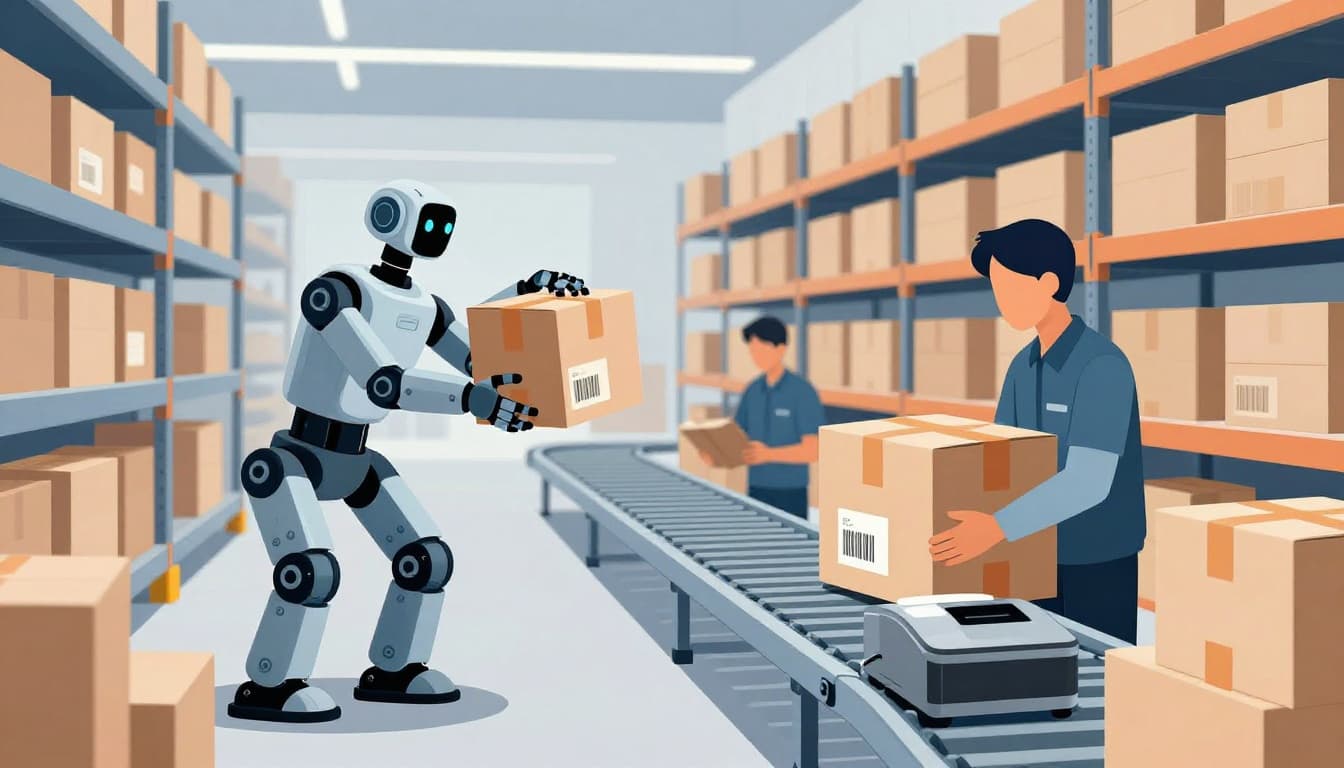
So many operations mix automation with human checks. Robots pick items, then a worker confirms details and packs safely. Scanners verify barcodes before sealing. Labels print and apply in the right place.
Here’s what that partnership looks like in a simplified mental picture: a robot arm brings a product to the station, a scanner reads the code, and the packing station turns it into a ready-to-ship box.
As you can imagine, labels and scans drive the next stage. Without them, sorting hubs would treat packages like mystery objects. With them, sorting machines can route parcels by zip code, region, and delivery zone.
Into the Network: Sorting Hubs and Long-Haul Travel
Once the carrier takes your package, it moves into the network. This is where delivery systems look like a subway map. Boxes travel from one station to the next, guided by scans and routing rules.
First, the package moves from the seller’s site to a carrier pickup point. Then it reaches a larger sorting facility. These hubs are designed for volume. Instead of one human carrying a single box, machines sort thousands at once.
At the hub, scanners read labels and connect each parcel to a destination route. Next, the system sorts packages into streams by zip code and transport method. That can mean trucks heading to regional centers. It can also mean planes moving high-priority parcels quickly over long distances.
AI matters here because networks face constant change. Weather can slow travel. Traffic can shift dock times. Demand can rise in one region and fall in another. So route and sort plans adapt as the day goes on.
Also, hubs reduce risk. By consolidating packages into planned routes, carriers improve scan accuracy and lower mis-sorts. Fewer errors also means fewer customer support calls, which carriers want to avoid.
In 2026, you’ll also see carriers and vendors push more automation in routing and decision tools. For example, Bear Cognition’s AI route optimization tool for USPS contractors points to how route choices can become more data-driven, even at contractor levels.
Long-haul travel then kicks in. Packages might ride in cargo planes, on intercity trucks, or even on trains when the route supports it. Some networks also test autonomy in ground transport, especially on fixed corridors. Even if a vehicle drives itself, the package still follows the same scan-first logic.
First Stop: Massive Hubs That Sort Like Magic
Think of a sorting hub like a switchyard for mail and parcels. Packages enter at one side, and sorting systems decide their next move.
Here’s what usually happens:
- Barcodes and tracking labels get scanned as packages move along belts.
- Sorting machines route boxes into bins or chutes.
- The control system assigns each bin to a truck, trailer, or plane queue.
AI helps optimize this flow. It can adjust for volume spikes and changes in arrival times. It can also prevent bottlenecks by rebalancing where packages go.
In practical terms, it’s the difference between “we ship when we can” and “we ship by schedule.” Since most hubs handle huge volumes, even small delays can spread. So carriers invest heavily in routing logic, scanning accuracy, and equipment uptime.
Some reporting also highlights how “physical AI” ideas show up in fulfillment and sorting. If you want a closer read on that theme, The Silicon Sorter: Amazon’s Physical AI Revolution explains the idea in a logistics context.
Air and Road: Crossing the Country Fast
Long-distance delivery needs speed and predictability. That’s why air transport still plays a big role for time-sensitive parcels. Planes carry cargo in bulk, then regional hubs break it into smaller routes.
Meanwhile, trucks and trains handle the heavier, more flexible movement. Road routes cover regional centers and last-mile staging areas. Trains can move large volumes efficiently between major corridors.
Autonomous technology shows up in trials and pilot programs. Some systems use self-driving trucks or assisted autonomy on highways. However, the key point is not the vehicle type. It’s the network planning behind it.
Carriers also watch cost. Air can be fast, but it’s expensive. So the system usually reserves air for parcels that truly need it. Otherwise, ground transport can handle the route with lower cost and stable timing.
As the package travels, tracking continues. Each scan ties your box to a new location and a new time estimate. If something changes, the system updates the ETA so delivery stays believable, not random.
Closing the Gap: Local Hubs to Your Neighborhood
After long-haul, the package still has distance left. That’s where local distribution centers come in.
These centers receive parcels from regional networks. Then they sort again for the final routes in smaller areas. It’s a second sorting round, but with a different goal: set up delivery stops for the next step.
Last-mile delivery is the hardest part to forecast. Drivers face apartment gates, traffic signals, weather, and busy streets. Also, you might not be home.
That’s why delivery systems now focus on more than speed. They focus on predictable delivery windows and fewer failed drops.
In 2026, the tools look like this:
- Electric and efficient fleets for local routes
- App alerts and live tracking updates
- Locker options for pickup
- Robots that handle repetitive tasks in certain neighborhoods
- Drones tested in small zones where they fit the geography
For a broader look at last-mile trends, see Last-Mile Delivery Trends to Look Out for in 2026. It groups several approaches into one theme: the last mile is getting smarter, not just faster.
Here’s a quick snapshot of what many delivery systems are trying in 2026.
| Trend in 2026 | Where it shows up | Why it helps customers |
|---|---|---|
| Electric vehicles | City and suburban routes | Lower local emissions, often better stop-and-go fit |
| Route AI and planning | Dispatch and delivery paths | More on-time windows and fewer detours |
| Locker pickup | Stores, post offices, apartment areas | Fewer “missed delivery” issues |
| Sorting robots | Local distribution centers | Faster sorting with fewer scan mistakes |
| Delivery bots (in pilots) | Sidewalks and campuses | Safer small deliveries in controlled areas |
| Drones (limited zones) | Rural and suburban trials | Short flights can reduce time in clear conditions |
The takeaway: local networks win when they cut uncertainty. A good ETA beats a braggy “arrives today” promise.
Sorting One Last Time Near Your Home
At the local hub, AI re-sorts for the last push. It groups parcels by route and sometimes by exact delivery path.
Then it prepares the delivery load. That can include special handling for signature-required items, large packages, or parcels that go to alternate pickup points.
If you’ve ever watched tracking closely, you might see updates that look like it’s moving around the same city. That’s often the final routing work. It’s not wasted motion. It’s how systems match your address to the best driver stop.
Apps can also refine the estimate when traffic shifts. GPS helps adjust timing so your delivery window stays realistic.
In short, your package gets “assigned” to a route, then it rides that route until the final drop.
Last-Mile Heroes: Drivers, Bots, and Drones
The last mile still depends on people. A driver scans packages, checks stop order, and follows delivery rules. Then they deliver to your door, a neighbor location, or a pickup option.
However, automation can reduce friction. Delivery robots can handle repetitive tasks in certain settings, like offices or apartment areas with clear access. Bots and handheld scanning reduce manual steps. That helps prevent mis-deliveries.
Lockers add another layer. If carriers can place your package safely for pickup, they can cut failed deliveries and reduce theft risk. Many customers prefer this when they know they’ll be out.
Drones fit a smaller role. They often work in pilot areas where weather and geography help. They can move lightweight packages short distances, then trucks finish the route.
Electric vehicles also matter. For example, USPS has been rolling out new vehicles as part of its fleet modernization, including battery-powered options. The details appear in USPS is delivering its new fleet. When local fleets clean up, delivery systems still need enough range and charging support to keep schedules.
Whatever the method, the pattern stays the same. The system aims for one reliable moment: getting your package to the right place at the right time.
Final Handover: Tracking, Proof, and That Happy Knock
The delivery finish line isn’t just a handoff. It’s a set of scans and notifications that close the loop.
When the driver arrives, they scan your package. Then the system updates your tracking. Many deliveries also include a photo proof or a delivery confirmation message. After that, your app usually shows the status as delivered, with a time stamp.
If you chose a pickup option, the carrier may place the parcel in a locker or pickup location. Then you get access instructions. That can reduce back-and-forth calls, because the delivery system tells you where to find your order.
Sometimes delivery fails due to access issues. Then the package goes to a new attempt, often with updated instructions. In some networks, AI helps estimate the best follow-up window based on traffic and route changes.
One reason delivery systems feel smarter in 2026 is the focus on certainty. The goal isn’t just fast shipping. It’s fewer surprises after “out for delivery.”
So when you hear that happy knock, it’s not luck. It’s the result of many steps working together, from picking and packing to sorting hubs to local routing.
Conclusion: Delivery Systems Are a Team of Tech and Timing
From the moment you click buy, delivery systems act like a well-trained relay team. Your order gets matched to the best warehouse, packed with scan checks, and routed through sorting hubs that keep boxes moving in the right direction.
Then local networks take over. They re-sort near your area, plan last-mile routes, and offer options like lockers or delivery windows. Finally, tracking scans and delivery proof close the loop so you know what happened.
If you want your next order to feel even smoother, pay attention to the delivery promise, the tracking updates, and the carrier’s pickup options. What’s been your biggest delivery surprise lately, the speed or the accuracy?