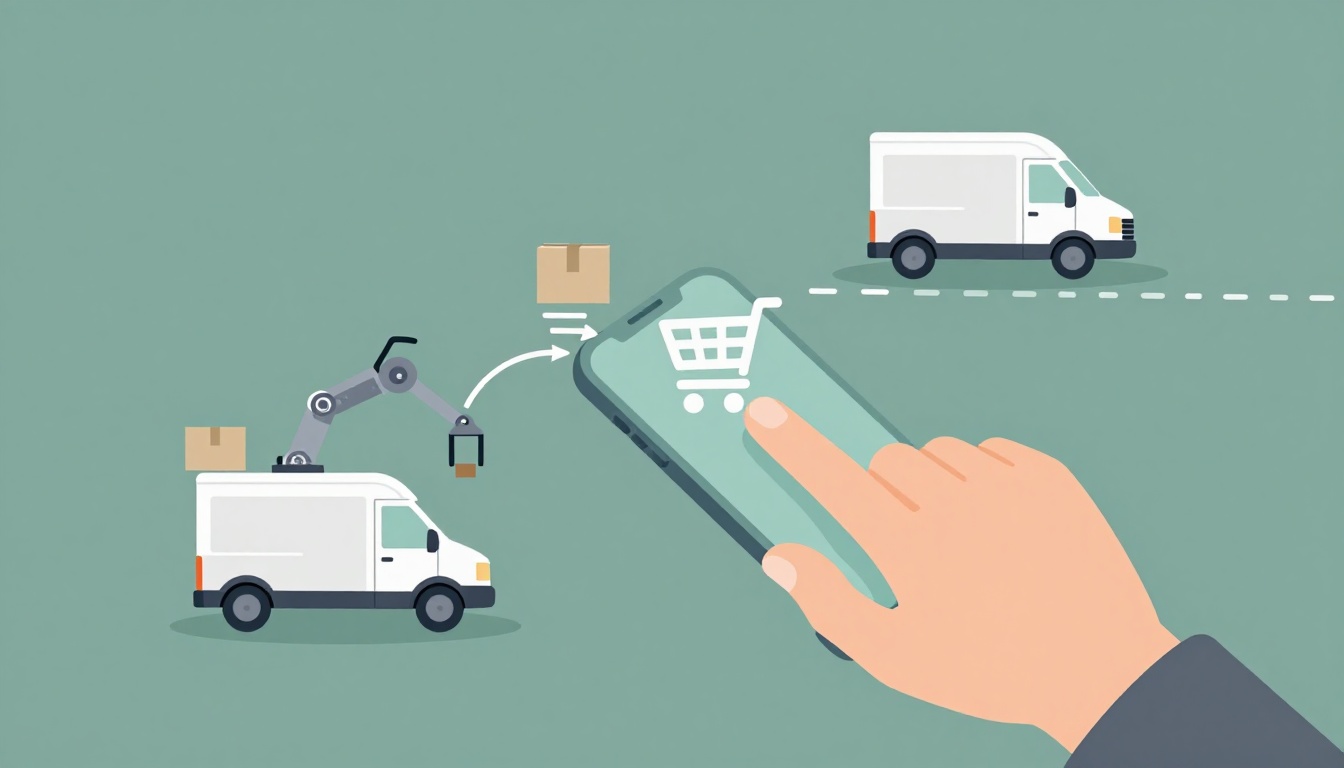
You press Buy on new sneakers, then stare at your phone like it owes you answers. Soon, your order stops being “a cart” and becomes a real package on a real schedule.
In 2026, that journey kicks off with quick AI checks, warehouse automation, and routing that often gets you your stuff in 1 to 5 days. Most shoppers see an average total delivery time around 2 days, depending on the shipping method and where you live.
Keep reading, because the part you don’t see is the part that makes the wait feel shorter. Next, we’ll walk through the behind-the-scenes steps right after you hit “place order.”
The Instant Magic: What Happens Right After You Hit Buy
The first stage is all about speed and safety. Think of it like a busy nightclub bouncer, but for payments and fraud. Your order needs a quick “you’re real” pass before anyone spends time on packing.
Under the hood, the process starts in seconds. Most stores use automated systems to check payment details, scan for suspicious patterns, and decide whether your order can move forward. In fact, many platforms now confirm orders with AI in under 1 minute on average, so you get that “Order confirmed” email fast.
Then comes the second wave: approval and stock checks. This usually takes 5 to 30 minutes, and it’s why your order sometimes goes from “processing” to “preparing shipment” the same day.
Before anything ships, systems also confirm your address and match it to fulfillment locations. After all, shipping the wrong item to the wrong ZIP code is expensive.
Here’s a simple look at typical U.S. delivery windows by service. These estimates help explain why online delivery often lands around the two-day mark for many orders:
| Shipping service (typical) | Common estimate (business days) |
|---|---|
| Priority Mail Express | Overnight to 2 days |
| Priority Mail | 1 to 3 business days |
| First-Class Package | 1 to 5 business days |
| Ground Advantage | 2 to 8 business days |
Because delivery times depend on the carrier and your distance, the “fastest option” usually isn’t magic. It’s just choosing a service with fewer handoffs.
To understand how the whole fulfillment flow connects, see order fulfillment process steps for high-growth brands. It’s a useful map if you want the bigger picture.
AI Fraud Detection Saves the Day
Fraud checks might not sound fun, but they’re a big reason you get instant confirmation. In 2026, AI can review orders almost instantly, spotting red flags before trouble starts.
Instead of relying on one rule (“Does this look weird?”), AI looks at patterns across many clues. It can review things like payment behavior, device signals, and how quickly an order was placed. If the risk is low, the order moves on without delay. If risk is high, the system can hold it for extra checks.
Real-time fraud detection can also reduce slow manual reviews. Many stores report that around 90% of orders auto-process thanks to this kind of tech. That’s a major reason you don’t have to wait for a human to approve basic purchases.
Here’s what you experience as the customer:
- You hit checkout and get confirmation fast.
- Your order gets a tracking path (even if the label prints later).
- Your payment doesn’t get stuck in review unless the system flags something.
If you’ve ever had a checkout “review” page pop up, that’s the system catching risk. Most people never see that part, because the AI handles it behind the scenes.
The “processing” stage isn’t always slower. Often, it’s just the system doing safety checks quietly.
Smart Stock Checks Keep Things Moving
Once your order passes the payment gate, the next question is simple: do they actually have your size, color, or flavor in stock?
Stock checks do more than look at one warehouse. Modern systems locate inventory across nearby fulfillment centers. Then they choose the best option, based on where your order will likely ship from and what’s available right now.
This is where “closest warehouse” matters. If your sneakers sit in a facility near you, your delivery window shrinks. If they’re farther away, the system may route you to another site or split the process when allowed.
Many shops also run a quick inventory logic step. If stock levels are low, the system can flag issues early, so the warehouse team can reorder or reallocate stock before you’re waiting.
That’s also why product pages sometimes change while you’re shopping. If inventory runs down, the system needs to prevent “oversell” mistakes.
In other words, the confirmation email isn’t just a receipt. It’s a signal that your order got matched to real, available stock somewhere in the network.
Warehouse Wizards: Picking and Packing Your Order
After your order is approved and assigned to a fulfillment center, your package starts moving through the “hands-on” portion of logistics.
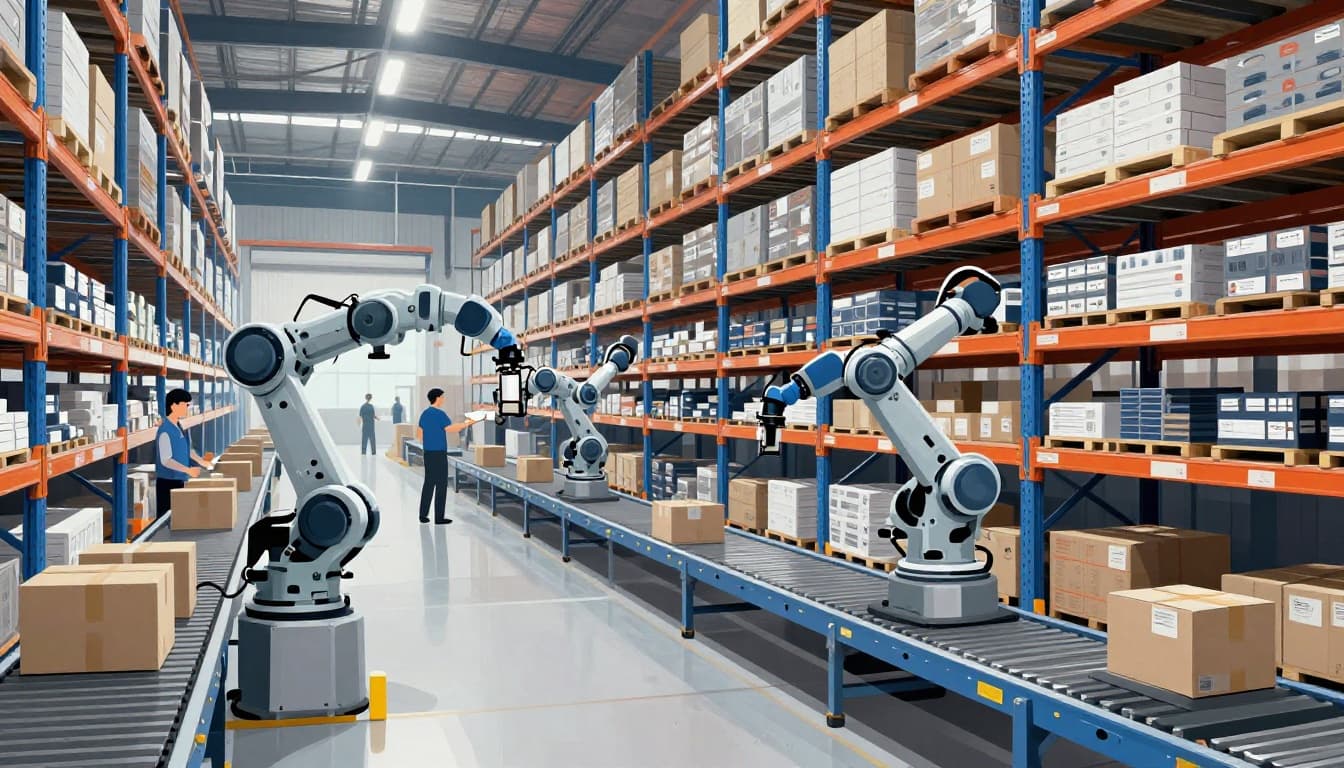
First up is picking. That’s the step where someone (or something) grabs the item from shelves and brings it to packing. In modern fulfillment centers, automation handles a large share of the work, especially in big distribution hubs.
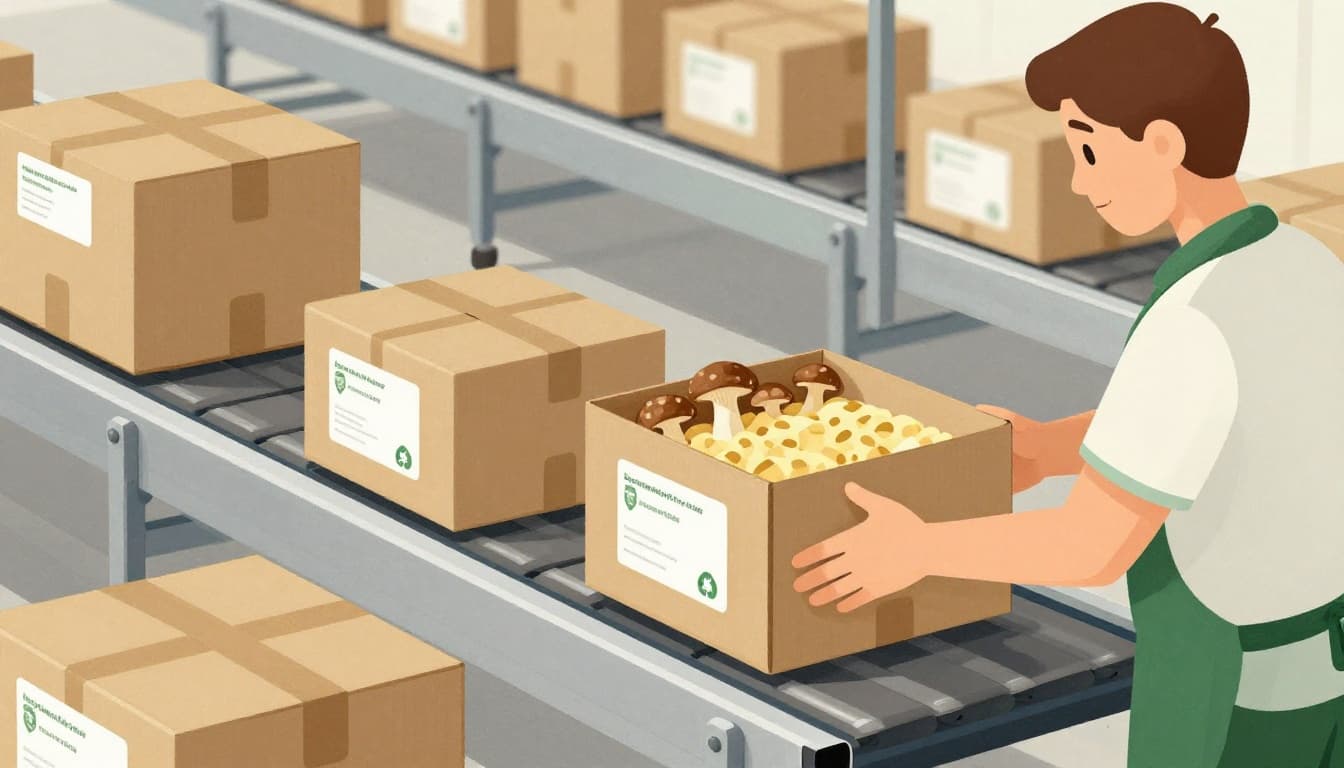
Then comes packing. This includes protective materials, correct labeling, and damage checks before the box heads to shipping.
If you want a mental picture, imagine a library that never closes, where shelves travel to workers. Robots move pods, people scan barcodes, and everything flows on conveyor belts.
In the real world, millions of packages move through warehouses every day. For example, the U.S. ships tens of millions of packages daily, and e-commerce is a big driver of that volume. With that kind of flow, speed depends on systems working together.
Robots Racing to Grab Your Stuff
Warehouse automation has grown fast. In 2026, Amazon uses over 1 million robots in its facilities, and robots support work across major fulfillment steps like moving items, sorting, picking, and packing.
So how does that affect your order? It means fewer “walk across the warehouse” moments. Robots can bring the right items to the right staging area while workers focus on tasks that need human hands.
Some facilities also run fleets that coordinate robot movement to avoid jams. That keeps the picking line moving, even when thousands of orders hit at once. If you want a closer look at how warehouse robot coordination is evolving, read Amazon DeepFleet AI and 1M robots.
Meanwhile, workers do the fast checks that matter most for accuracy. They confirm that the right SKU is in the right bin, then hand off to packing.
Most customers feel the picking step indirectly. It’s usually the difference between:
- “Order confirmed” (quiet stage)
- “Preparing shipment” (active stage)
Picking time can vary, but it often happens in the same day for many orders. After that, packing kicks in.
Eco-Friendly Packing for a Greener Planet
Packing looks simple from the outside. Yet it involves a lot of decisions, from protection to labeling to waste control.
In 2026, many retailers push for lower-waste packaging. Trends include recyclable materials, reduced void fill, and designs that ship safely without extra bulk.
Some businesses also shift away from plastic fillers. They may use lighter or compostable options when the supply chain supports it. Systems can also help by scanning what’s inside the box and matching it to an appropriate packing setup, rather than using one-size-fits-all packaging for every order.
These changes matter because packaging is a huge part of shipping footprint. Sustainable packaging trends for e-commerce in 2026 focus on using materials that cut waste, comply with rules, and still protect products during transit. If you like numbers, this breakdown of ecommerce packaging statistics for 2026 helps put it in context: ecommerce packaging statistics for 2026 every brand should know.
Also, regulations play a role. For example, California’s SB 343 pushes companies to prove recyclability on labels starting in late 2026. That pressure speeds up packaging updates across the industry.
Here’s what you’ll notice as a shopper:
- Boxes may feel lighter, even when your item is bulky.
- Fill may be paper-based or plant-based instead of plastic pillows.
- Some packages include clearer recycling guidance.
Packing time usually stays relatively quick. Many orders move through packing in minutes, then roll onto the next step: shipping and last-mile delivery.
The High-Speed Journey: Shipping to Your Door
Once packing finishes, your order becomes a route problem. Carriers need to move boxes from fulfillment centers to sorting hubs, then to local delivery stations.
In the U.S., typical domestic options often land in the 1 to 5 business day range, depending on the service. That’s one reason many customers see around two days overall for common deliveries.
At this stage, your package is like a road trip. It might not travel in a straight line, but it moves toward the right local hub as quickly as possible.
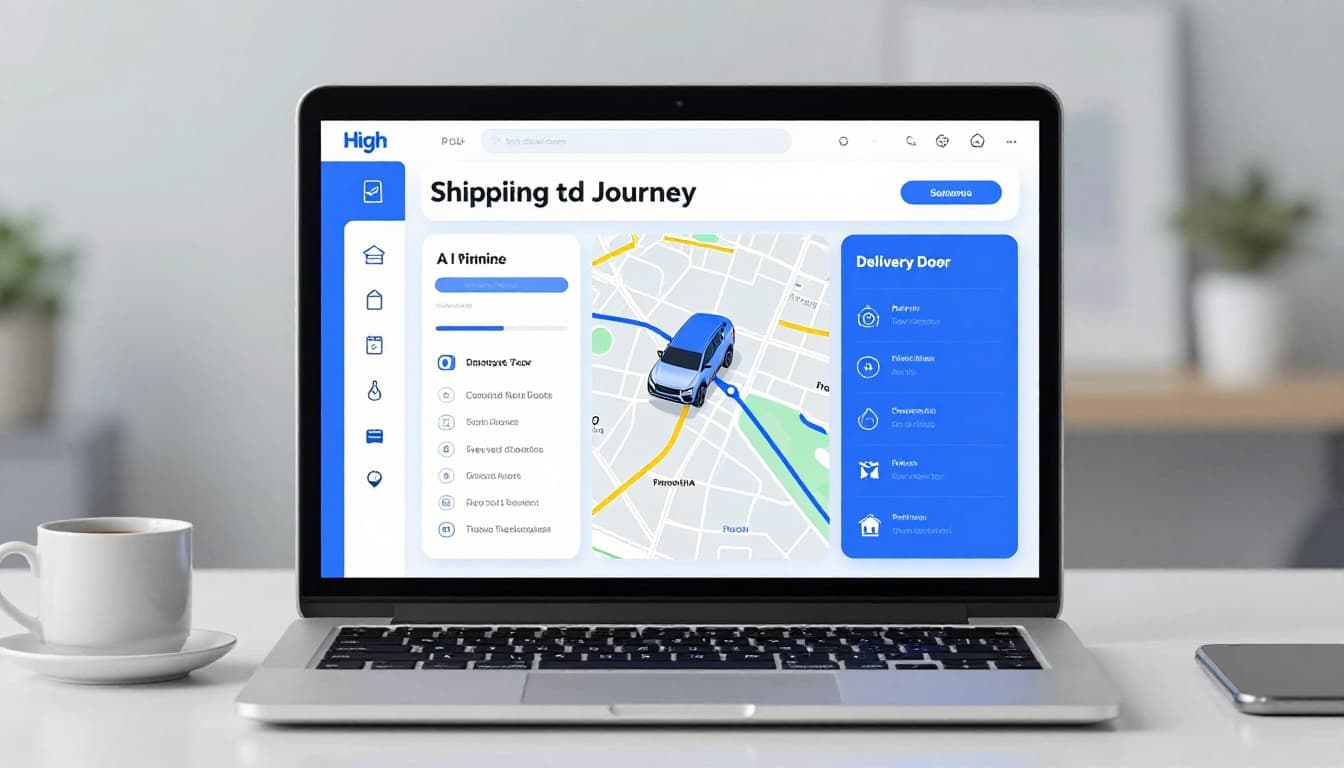
Meanwhile, live tracking updates you along the way. Each scan adds a new checkpoint, so your app can estimate when the box will arrive.
AI Routes: The Smartest Path Possible
Routing is where AI shows up as “quiet help.” It doesn’t hold the package. It decides how to move packages most efficiently.
Systems use data like:
- where you live
- where the package came from
- current capacity at nearby hubs
- carrier timing and handoff windows
Because traffic and processing load can change hour by hour, routing often needs to adapt. That means your order might get rerouted if a hub gets crowded or a truck fills up faster than expected.
You can think of it like a GPS that recalculates when an exit suddenly closes. The goal is the same: get the package to the right place at the right time.
This is also where “shipping labels” become real. A label might print before the box leaves the warehouse, but the label scan is what starts your tracking timeline. That’s why your tracking sometimes updates before the package physically moves.
In addition, carriers prioritize certain shipments based on service level. So “overnight” doesn’t just mean faster vibes. It means a higher priority in sorting and handoffs.
Drones, Bots, and Vans: Last-Mile Heroes
The “last mile” is often the hardest part. It’s also where new delivery options show up.
In 2026, more last-mile delivery happens with a mix of methods. Electric vans handle long urban routes and suburban corridors. Ground delivery robots can carry smaller loads along sidewalks in neighborhoods. Drones may handle light packages where rules and airspace allow it.
Market research points to growth in this segment, with drones, ground bots, and electric self-driving vans moving into more pilot-to-operations phases. For example, one market report notes delivery time examples like 18 minutes in urban areas and 45 minutes in rural settings for drone-style delivery. It also highlights how regulations differ by area.
However, most deliveries still rely on traditional trucks and vans. The main shift is that automation can reduce bottlenecks near the end.
You might experience last-mile variety like this:
- a delivery van drops your box near your route
- then a local station schedules it for your neighborhood
- sometimes, a pilot robot or drone handles a short final stretch
As the options expand, delivery apps also get smarter. Your tracking might show closer arrival windows, and drivers or fleet systems can update status faster.
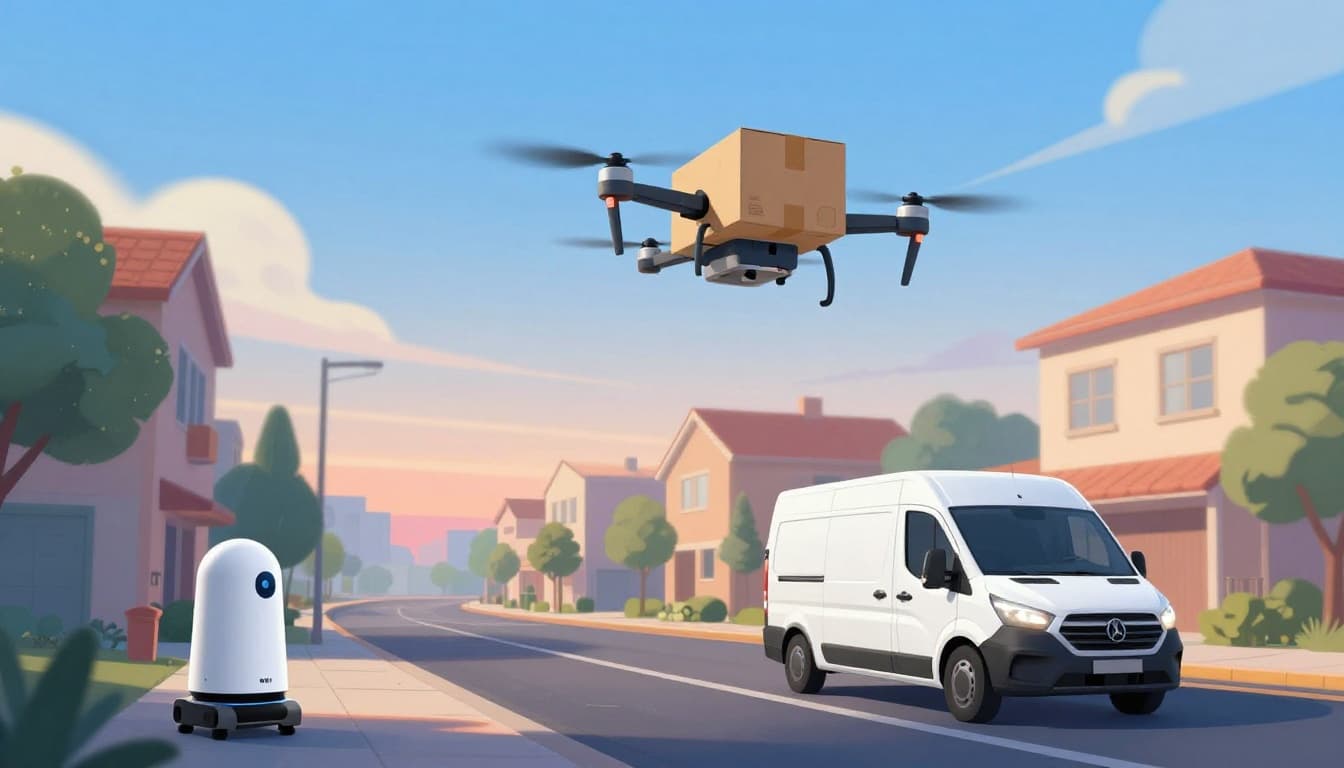
If you want a fuller view of how fleets are evolving, this guide on last-mile delivery fleet technology for 2026 (drones, bots, and EVs) breaks down the equipment and the coordination challenges.
Game-Changing Tech and What If Delays Hit
Even with fast systems, delays still happen. Weather, carrier volume, or a warehouse scan that doesn’t match reality can slow things down.
The key point is this: modern tech tries to spot problems early, then fix them quickly. That way, delays tend to be shorter and less frequent than in the past.
Here are common issues you might see, plus what usually happens next:
- Out-of-stock after the order: Sometimes a product sells faster than inventory updates. Stores often move the order to another warehouse or cancel quickly if they can’t confirm stock.
- Address problems: If an address doesn’t match a carrier format, your order may get a manual or automated address correction step.
- Weather and carrier slowdowns: Storms can delay routes. However, rerouting and prioritization can prevent everything from freezing.
- Carrier handoff delays: Your box might sit between hubs for a few hours or a day. Then it moves once the next truck has space.
AI and automation help most in these “in-between” moments. Systems can reassign inventory, adjust routing, and update tracking estimates as soon as new scans land.
Also, online stores keep improving what happens if you need to return something. While return policies vary, the process is usually designed to protect speed and reduce warehouse rework.
If you want a deeper look at how fulfillment planning reduces friction, check the complete e-commerce fulfillment guide for 2026. It’s more about how companies build the system, not just what happens to one order.
Finally, remember the simplest truth: “2 days” is a typical experience, not a promise. Shipping is a chain, and each link matters.
Even so, the behind-the-scenes steps after you hit “Buy” are now much faster than they used to be, and that shows up in your doorstep timing.
Conclusion
That new pair of sneakers didn’t travel on hope. It moved through a chain reaction of AI checks, fast inventory matching, and warehouse picking plus packing.
Then it entered a routed shipping plan designed to cut delays where possible. When tracking updates show progress, you’re watching that system do its job.
Now when your order says “out for delivery” (or you get a surprise early update), you’ll know why it happened. What’s the wildest delivery story you’ve had, and did it arrive faster than expected?