Choosing the wrong route can ruin a trip fast. One wrong turn can mean stuck traffic for hours, a missed viewpoint, or a detour that drains your energy. Meanwhile, the right route feels like a secret perk. You arrive calmer, see more, and remember the drive, not just the stop.
The best route is the one that fits your day, your budget, and your comfort level. That means you don’t just compare “shortest time.” You compare time, cost, safety, scenery, and traffic patterns. Then you make a plan that can change when real life shows up.
This guide gives you a simple way to pick better routes. You’ll learn how to match the drive to what matters most, use planning apps without getting stuck in tabs, and use 2026 travel trends (like slower, more intentional road trips) to make smarter choices. You’ll also get a practical step-by-step method you can reuse for any trip, from a quick weekend loop to a full-on adventure.
By the end, you’ll know how to choose routes that feel right for you, not just “popular” on social media.
Match Your Route to What Matters Most to You
Think of route planning like picking a playlist. Some trips need upbeat speed. Other trips need space for long scenic pauses. Start by ranking what matters most to you that day.
Most people juggle five big factors:
- Time: How many hours can you handle in one stretch?
- Cost: Gas, parking, tolls, and lodging prices.
- Safety: Weather, road conditions, and fatigue risk.
- Scenery: Views you actually want, not just a “nice drive” promise.
- Traffic: Expected slowdowns near cities, bridges, and tourist zones.
In 2026, road trips are trending toward slow travel and nature-first plans. In fact, 71% of Americans say they plan to drive for vacations so they can move at their own pace and enjoy more outdoor time. Many travelers also take breaks more often, like stopping every few hours, instead of pushing nonstop driving. That’s a great reminder: your route should support how you want to feel, not just how fast you can move.
A simple way to balance these factors is to list options, then do a quick pros and cons check for each. If you have a tight schedule, you’ll probably favor faster roads. If you want photos and quiet stops, you’ll likely choose slower routes with better pull-offs.
The best route usually wins in your “top two” categories, not your “least stressful” category.
Factor in Time and Distance First
Start with realistic drive-time estimates, not hopes. If your route looks like a 9-hour day, it’s often a 10 to 12-hour day with stops. Therefore, plan for rest, meals, and at least one photo stop.
For longer journeys, break the trip into chunks you can actually enjoy. For example, a classic route like Route 66 often works better as a week-long plan rather than a single sprint. If you’re building an epic multi-day drive, look at how other travelers group segments, then adjust for your pace. You can also get ideas from current route roundups, like 10 American Road Trip Routes Surging in Popularity This Year.
Also, try to plan around seasonal traffic. In spring and fall, you can often avoid the busiest summer weeks. Then, build in flexibility. Use your route apps to check estimated arrival times (ETAs) and update your plan as roads change.
If you want an easy test, do this: pick a “max driving window” for yourself (many people use 5 hours), then schedule a stop after it.
Quick escape idea: a 2 to 3 day loop with one main destination plus two smaller stops. Epic idea: 7 to 10 days with each day’s goal tied to a short list of places you want to see.
Keep Costs Low Without Skimping on Fun
Cost matters, but it doesn’t have to shrink the trip. First, separate fixed costs from flexible ones.
Fixed costs: your flights (if any), lodging bookings, and big fees.
Flexible costs: gas, food choices, parking, and how long you sit in traffic.
GasBuddy helps many travelers watch fuel prices and plan stops. Still, don’t chase the cheapest gas so hard that you add a long detour. Instead, aim for decent prices near your route, then keep your schedule steady.
Off-peak travel often saves money because hotels and attractions get cheaper. In addition, small towns can be your friend. They usually offer more parking options and less “tourist price” stress.
You can also compare driving vs. flying. If you’re staying in one region and exploring by car, driving usually wins. If you’re hopping between far cities, flying might save time and still keep costs manageable.
Lastly, think about 2026-style travel priorities. Some people choose carbon offsets when they want to travel with less guilt. It’s not a magic fix, but it can fit your values while you still chase a good route.
Prioritize Safety on Every Route
Your route should protect you from avoidable stress. That means checking weather, road conditions, and the “fatigue math.”
Many 2026 safety habits are simple: don’t drive too long between breaks, download offline maps for areas with weak signal, and keep a data backup for navigation. Also, avoid planning mountain routes with zero buffer time. Weather changes fast at higher elevations.
If you’ve got peak travel weekends ahead, plan for crowds near popular entrances, bridges, and highway merges. That traffic can slow you down more than distance estimates predict.
EV travelers also have new planning tools. Networks keep expanding along major highways. However, rural areas near parks may still lag. That’s why many drivers use EV-focused apps like PlugShare to find chargers before they commit to long stretches.
Finally, scan your route for “high-risk patterns,” like steep grades during storms or roads with lots of construction. Your goal isn’t perfection. It’s fewer surprises.
Hunt for Stunning Scenery That Wows
Scenery works best when you plan it, not when you hope it shows up. Choose routes with frequent pull-offs, scenic overlooks, and ways to park safely. Then, match the scenery to your mood.
If you want coastline views, Pacific Coast Highway-style drives can be incredible. If you want mountains and wide skies, look at routes known for long climbs and valley views.
For inspiration, you can browse scenic-drive ideas from places like Top U.S. Road Trips in 2026: Scenic Drives & Hidden Gems. Use it like a spark, then confirm details with your map app.
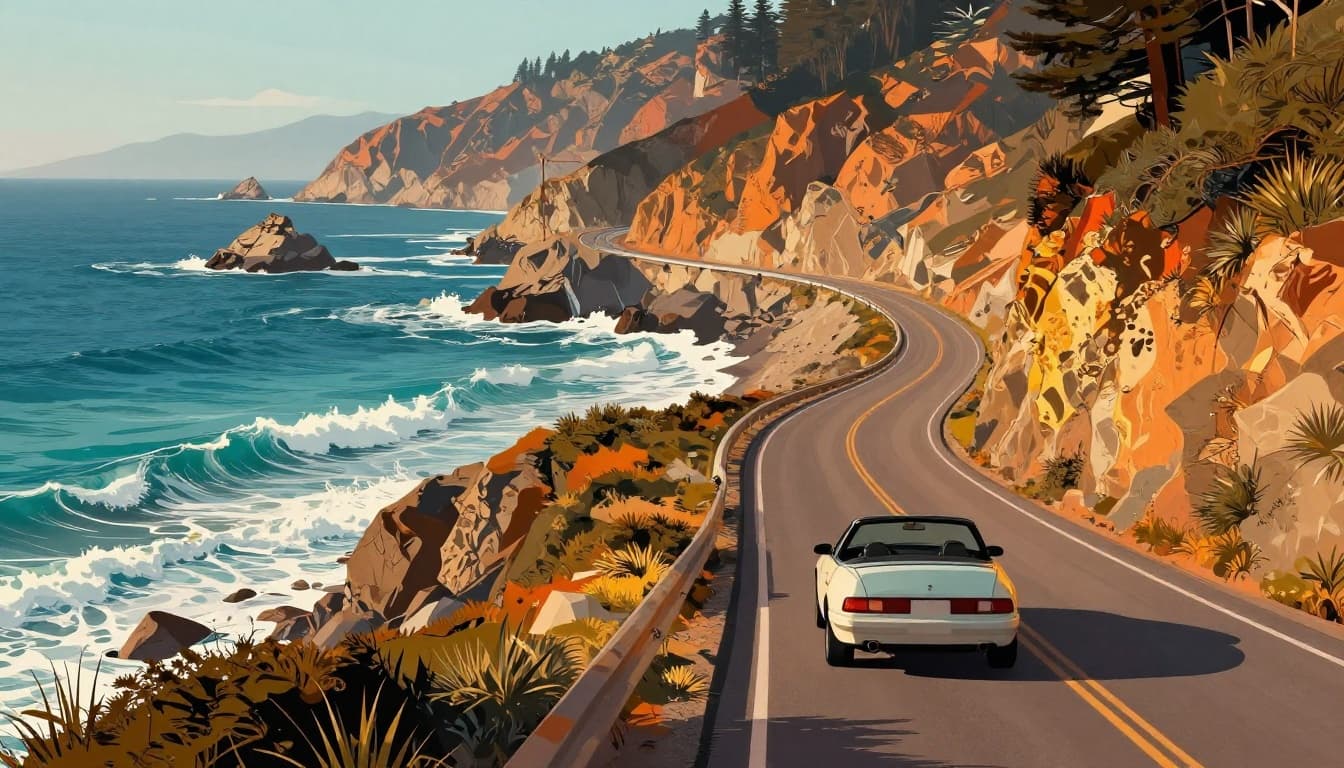
A smart trick: add a “scenery buffer.” That means you leave extra time for slowdowns near viewpoints. On the other hand, if you’re chasing fewer crowds, consider off-beaten roads and go early.
You don’t need to drive slow everywhere. You just need to choose when the route earns your attention.
Pick the Right Apps to Plan Like a Pro
Good route planning apps help you compare options quickly. They also help you react when conditions change. Therefore, you don’t want one app that “does everything” poorly. You want a small tool set that covers traffic, stops, and driving comfort.
Start with your map app first. Then, add a stop planner for what you want to see. Finally, check fuel and accessibility for your day.
If you feel overwhelmed, simplify your workflow: set start, set end, add 2 to 5 stops, then sort by time or distance. After that, you can refine.
Google Maps and Waze for Traffic Dodging
Use Google Maps for solid ETA estimates and route options. It shows traffic patterns, typical slow zones, and alternate highways. In busy areas, that alone can save you a ton of time.
Use Waze when you want crowd-sourced updates. Drivers report jams, accidents, and hazards. That’s especially useful for urban drives and highway merges where delays pop up quickly.
A helpful habit: check both apps before you leave. Then, pick the route that gives you the best mix of time and low-stress roads. Even better, set a “change rule.” For example, if ETA increases by more than 30 minutes, you switch routes.
Roadtrippers and GasBuddy for Hidden Gems
Google and Waze are great for driving. However, Roadtrippers helps you build the fun part: stops. It’s useful when you want scenic breaks and specific sightseeing ideas, not just gas stations.
For fuel planning, GasBuddy can help you find better prices near your route. Pair that with your stop list. If you know where you’re eating and hiking, your fuel decisions become easier.
Also, consider tools for specific needs. AllTrails can help you find nearby hikes and walkable views. AAA can help with roadside and trip support. For EV planning, you’ll want charging apps that match your range.
If you want an app with strong offline capabilities, some route planner tools focus there. For example, Best Route Planner App 2026 highlights offline-minded planning features, which can matter in rural areas.
Tap into 2026 Trends for Smarter Choices
2026 road trips aren’t only about iconic highways. More travelers are choosing routes that reduce stress, add rest, and feel more local. That means your “best route” can look different from last year’s idea of a perfect trip.
In addition, travelers are booking earlier for popular parks and major routes. Weather and logistics planning also matter more, especially for mountain and coastal drives.
You can also use route timing to your advantage. Plan for buffer days. Then, pack smart so you can handle delays calmly.
Embrace Slow Travel and Sustainability
Slow travel is about moving at a pace you can enjoy. Instead of rushing, you stop more often and spend more time where you park. Many travelers in 2026 take breaks every few hours and choose stays that make downtime feel good.
This approach also supports sustainability. Travelers may drive fewer long stretches, connect more with the land, and spend more time near nature. If that style appeals to you, it helps to plan lodging near your main scenic area. Then, do smaller day drives from that base.
For deeper context on how slow travel fits the current travel mood, check Slow Travel in 2026 – Meaning, Benefits, and Best Destinations. Use it to refine your own idea of “worth it.”
Now, let’s make it practical. If Route 66 is calling because of the centennial excitement, plan it as segments with rest days. That way you can enjoy roadside stops without feeling trapped by your own schedule. Route anniversaries can also boost crowds, so plan extra buffer time near major landmarks.
Explore Off-the-Beaten-Path Adventures
Not every great route is famous. In fact, some of the best driving days happen when you skip the busiest stretches.
Start with a simple method: choose a main corridor, then add one or two side options. Those side roads can lead to fewer crowds, quieter overlooks, and more “local” food spots.
You can also look beyond the U.S. if you want fresh scenery and fewer shared routes. For example, some travelers explore international driving styles when they want a change in pace and landscape.
For off-the-beaten travel, your best friend is planning accuracy. Check road closures, seasonal weather risks, and fuel spacing. Then keep your route flexible so one good detour doesn’t ruin the day.
If you want a strong rule, use this: don’t add a side route unless it keeps your day within your planned max driving hours.
Follow This Simple Step-by-Step Process
When route choice feels messy, a repeatable process helps. Use this method for any trip. It pulls together time, cost, safety, scenery, and app planning without making it complicated.
- List your must-see stops. Choose 2 to 5. More than that usually leads to rushed driving.
- Rank your priorities for this specific day. Pick your top two factors, like safety and scenery.
- Test your route in your main map app. Add ETAs, check alternatives, and note major slow zones.
- Compare options with one extra tool. Use a stop planner for sights, then check fuel plans.
- Check 2026 trends and local timing. Look for crowd-heavy windows and plan buffer time.
- Book stays with flexibility when possible. Add a little wiggle room for weather and traffic.
- Recheck the route before you start driving. Update based on real-time conditions, then go.
If you like visuals, imagine a checklist graphic with boxes you can tick. Each step is short, and you can do it in one sitting.
The goal isn’t the perfect route. The goal is a route that matches your energy and keeps you safe.
Conclusion
Smart route planning is what turns road trips into memories. When you match your route to your priorities, you cut stress and gain time for the good stuff. Then, you use apps to handle traffic and delays without losing your whole plan.
In 2026, slow travel and intentional pacing are more popular for a reason. You don’t just reach your destination. You enjoy the drive getting there, because your plan supports the way you actually travel.
Ready to plan smarter for your next trip? Share your best route choice (or your worst detour story) in the comments, then use this process on your next weekend escape.